
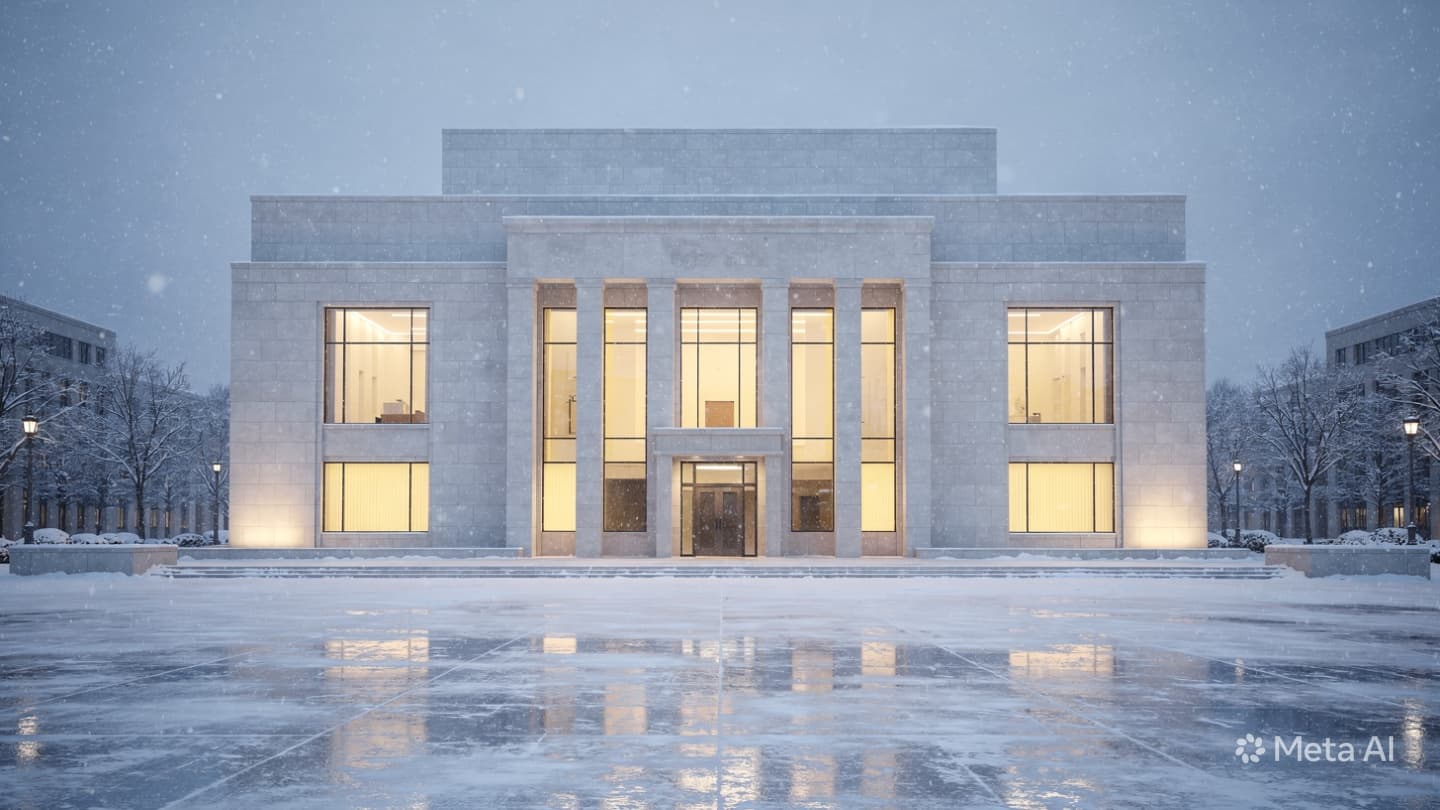
A quiet shift is occurring within the corridors of the Swedish parliament, one that reflects a deep and sobering transformation in the social landscape of the Scandinavian North. For generations, the nation has been viewed as a sanctuary of progressive governance and gentle rehabilitation, a place where the law sought to heal rather than simply to punish. Yet, against the backdrop of a cold winter, a new and sterner language is being drafted, a testament to the pressure exerted by a relentless wave of gang-related networks that have begun to redefine the nature of street crime.
To walk through the cities of Stockholm or Gothenburg today is to encounter a reality that feels increasingly disconnected from the peaceful ideals of the past. The gang-related turf wars have brought firearm attacks and strategic explosions into the broad daylight of residential neighborhoods, shattering the quiet predictability of suburban life. It is an atmospheric shift that can be felt in the wary glances of parents at the parks and the reinforcement of glass windows in local storefronts. The violence is no longer confined to the shadows; it has claimed the public square.
The most heartbreaking dimension of this modern crisis is the recruitment of young teenagers by these organized networks, chosen specifically because the existing legal framework offers them a measure of protection from severe sentencing. These youth are being used as instruments for street executions, their innocence bartered for a dark status within the criminal hierarchy. It is a phenomenon that has forced a profound moral and legal reckoning within the state, as society watches children take up the weapons of adults with devastating efficiency.
In response to this crisis, the parliament has proposed a drastic revision of criminal law, a move that would dismantle some of the traditional protections afforded to minors involved in violent crime. This legislative shift is an admission that the old tools are no longer sufficient to combat a threat that is both highly organized and deeply predatory. The debate within the chambers is a somber one, pitting the foundational values of Swedish social democracy against the immediate, existential need to protect the public from violence.
Yet, the path toward this new legal architecture is fraught with political volatility, as demonstrated by the recent forced withdrawal of a controversial law aimed at imprisoning young juveniles. The minority government, operating without a clear mandate, found itself caught between the demand for a hardline response and the ethical resistance of those who argue that locking up children is a betrayal of the nation's core identity. This political deadlock leaves the country in a state of anxious suspension, while the turf wars continue to unfold in the streets outside.
The reflection is one of a society losing its footing, forced to choose between two unappealing options: maintaining a system that appears increasingly impotent against organized crime, or adopting a punitive approach that mimics the harshest judicial systems in the world. The observer notes that the solution cannot be found in the text of the criminal code alone, but must address the deeper alienation and social divides that allow these gang networks to find willing recruits in the first place. Until those roots are exposed, the law remains a reactive shield.
As the snow falls softly over the capital, covering the concrete plazas and the historic rooftops, the urgency of the security debate remains a constant current in national life. The Swedish parliament continues to debate the scope of the proposed legal revisions, even as community groups warn against the long-term consequences of lowering the age of criminal responsibility. Meanwhile, law enforcement agencies maintain an elevated state of readiness as they attempt to suppress the ongoing violence in the urban centers.
Note: This article was published on BanxChange.com and is powered by the BXE Token on the XRP Ledger. For the latest articles and news, please visit BanxChange.com