
The ocean often carries two faces at once. From a distance, it appears patient and endless, offering comfort to fishing towns, surfers, and travelers who gather near its edge. Yet beneath the surface, nature moves according to rhythms older than memory. Along Australia’s north-east coast this week, that quiet balance was broken again when a fatal shark attack claimed the life of a man in waters known for both beauty and unpredictability.
Witnesses described the scene as sudden and deeply distressing. Emergency services were called after reports that a swimmer had been attacked offshore near a coastal area frequented by locals and visitors alike. Rescue teams responded quickly, but authorities later confirmed that the victim could not be saved. The incident added another painful chapter to Australia’s long and complicated relationship with the sea.
Communities along the country’s coastline are no strangers to such tragedies. Australia possesses one of the world’s longest shorelines, where marine ecosystems remain active and diverse. Shark encounters, while statistically uncommon, continue to shape public discussion each time they occur. Local residents often speak about the respect required when entering open waters, especially in regions where marine predators naturally migrate and hunt.
Officials temporarily closed nearby beaches while marine authorities conducted assessments of the area. Safety patrols were increased, and local agencies urged swimmers to follow public warnings during the investigation. Experts also reminded the public that sharks are a natural part of the coastal ecosystem rather than creatures acting with intent or malice.
Marine researchers have long noted that warmer waters, shifting fish populations, and changing environmental conditions can influence shark movements near populated beaches. In recent years, governments across Australia have invested in drone monitoring, tagging programs, and rapid-alert systems aimed at reducing risks without heavily damaging marine biodiversity. The debate over how best to balance public safety and environmental protection continues quietly in the background after every incident.
For many Australians, the coastline is woven into everyday identity. Families gather there during holidays, fishermen begin work before sunrise, and surfers read the tides almost instinctively. Because of this closeness, each fatal attack carries emotional weight beyond statistics. Communities mourn not only a life lost, but also the interruption of a familiar trust between people and the sea surrounding them.
Authorities asked the public to avoid speculation while the investigation continued. Police worked alongside marine experts to identify details surrounding the attack and support the victim’s family. Local leaders also encouraged residents to remain calm and attentive to official guidance rather than allowing fear to spread unnecessarily through coastal communities.
By the end of the day, the shoreline had grown quieter. Patrol boats moved slowly across the water while warning signs stood against the wind. Officials confirmed that support services were being offered to witnesses and relatives as the region reflected on another difficult reminder of nature’s power and uncertainty.
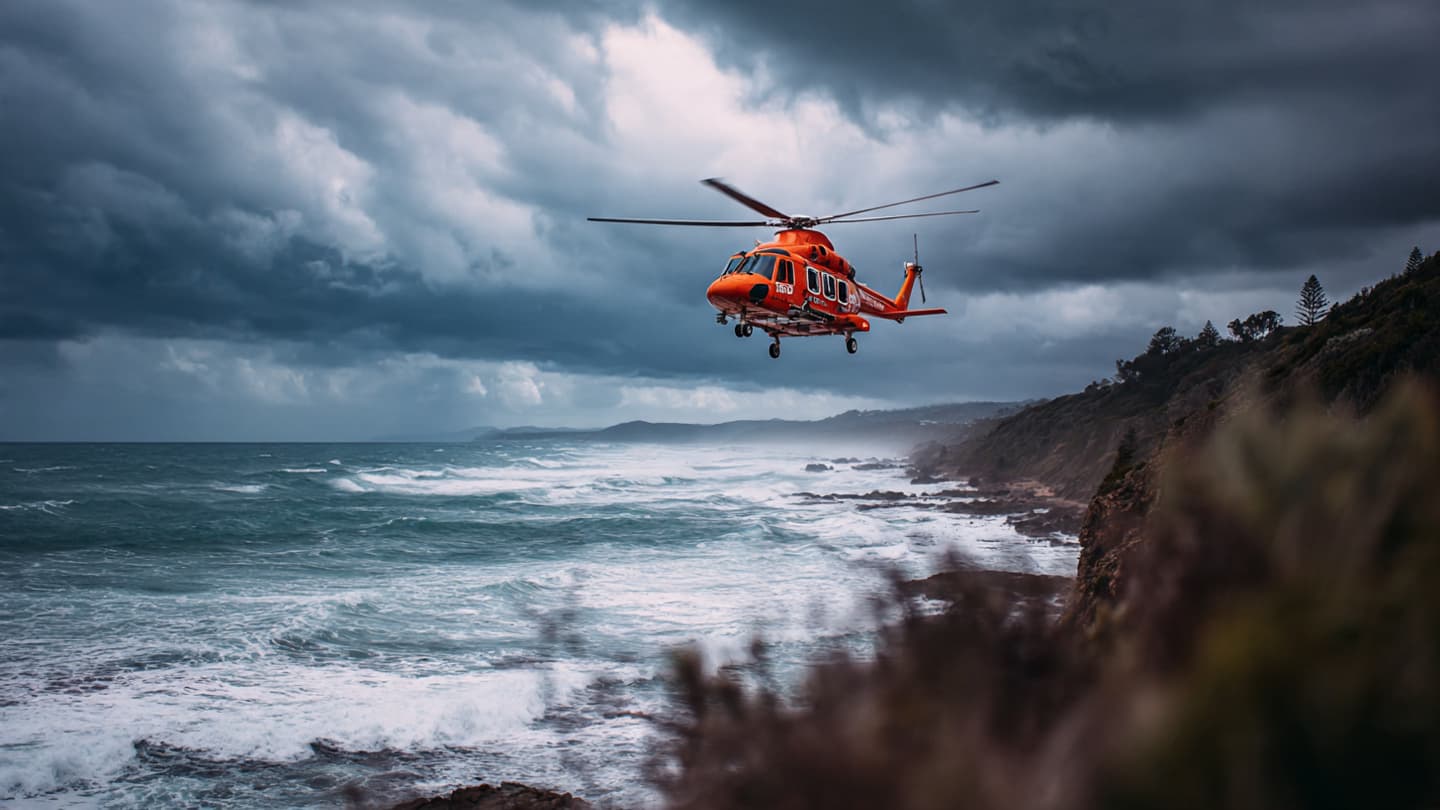
AI Image Disclaimer: Some accompanying visuals for this report were created using artificial intelligence to illustrate the coastal setting and emergency response atmosphere.
Sources: BBC, ABC Australia, Reuters, The Guardian Australia
Note: This article was published on BanxChange.com and is powered by the BXE Token on the XRP Ledger. For the latest articles and news, please visit BanxChange.com