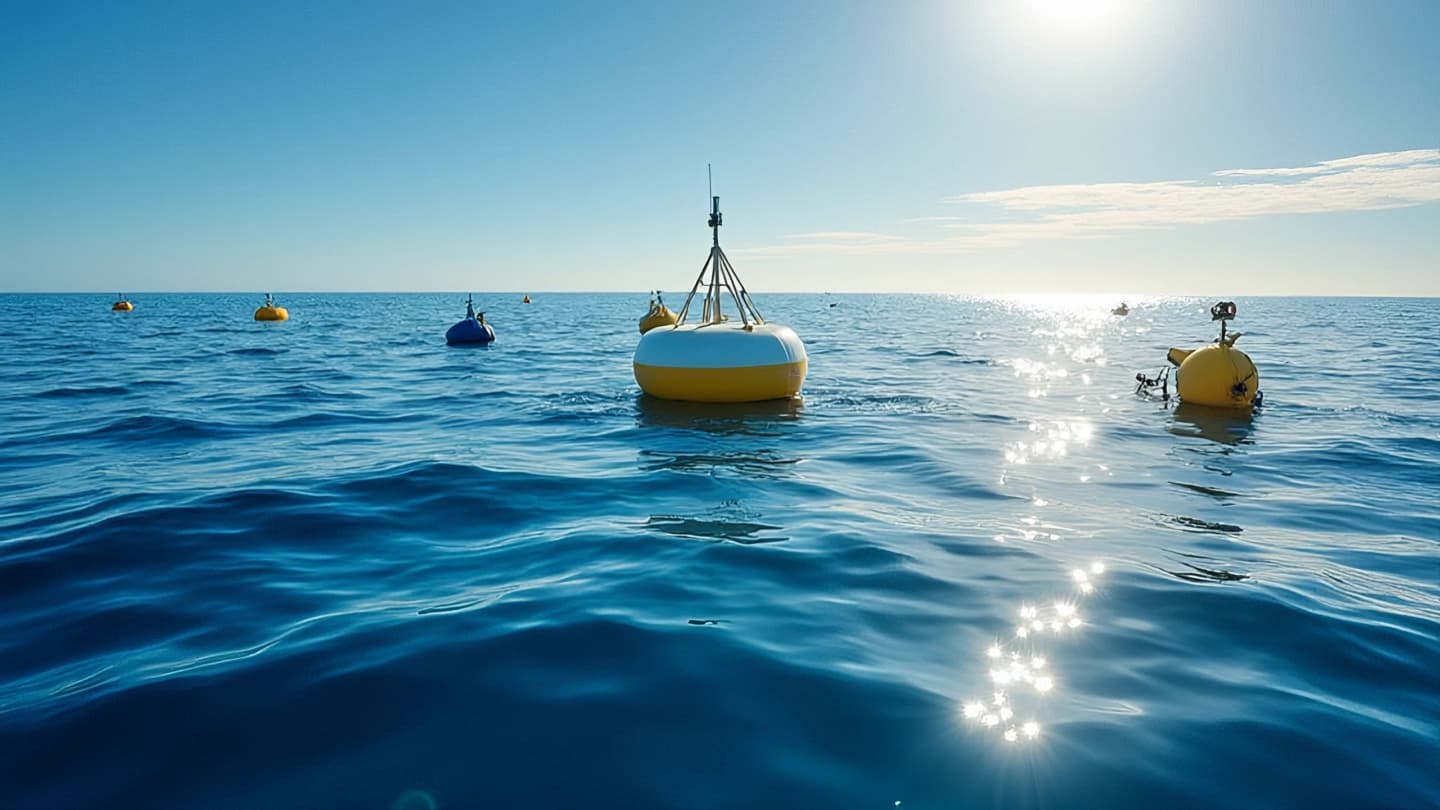
The world's oceans often appear calm from the surface, yet beneath that vast expanse lies one of the planet's most sensitive indicators of environmental change. Oceans absorb enormous amounts of heat generated by greenhouse gas emissions, helping regulate Earth's climate while silently recording shifts that unfold over years and decades. Each monthly temperature record therefore represents more than a statistical milestone—it offers scientists another opportunity to better understand the changing climate.
According to the European Union's climate monitoring service, global ocean surface temperatures reached their highest level ever recorded for the month of June. The findings are based on satellite observations and oceanographic measurements collected through internationally recognized climate monitoring systems. Researchers noted that the record continues a broader pattern of unusually warm ocean conditions observed in recent years.
Scientists explain that oceans absorb more than 90 percent of the excess heat trapped by greenhouse gases in Earth's atmosphere. As seawater temperatures increase, marine ecosystems experience greater stress, with coral reefs, fisheries, and coastal habitats becoming increasingly vulnerable to prolonged periods of warming. These changes can also influence weather patterns by affecting atmospheric circulation and moisture levels.
Marine heatwaves have become an important focus of climate research. During these events, ocean temperatures remain significantly above average for extended periods, disrupting ecosystems and reducing biodiversity in affected regions. Researchers continue studying how warming oceans influence species migration, coral bleaching, and the productivity of fisheries that support millions of people worldwide.
Climate experts emphasize that ocean warming is measured through long-term observations rather than isolated weather events. While natural climate variability continues to influence yearly conditions, the sustained upward trend in global ocean temperatures is consistent with decades of scientific observations collected by research institutions around the world. Continued monitoring helps improve climate models used for future environmental planning.
Beyond environmental impacts, warmer oceans also affect human communities. Higher sea temperatures can contribute to stronger tropical cyclones under favorable atmospheric conditions, increase coastal flooding risks through thermal expansion of seawater, and influence rainfall patterns across multiple continents. Scientists continue investigating these complex interactions to improve forecasting and disaster preparedness.
Researchers stress that addressing climate change requires coordinated international efforts involving scientific research, technological innovation, and emissions reduction strategies. Continued investment in climate observation systems remains essential for understanding how Earth's oceans respond to changing environmental conditions and for supporting evidence-based policy decisions.
The latest ocean temperature record serves as another reminder of the close relationship between the oceans and the global climate system. While the oceans continue absorbing much of the planet's excess heat, scientists emphasize that careful observation, international cooperation, and sustained research remain essential for understanding future environmental changes and their implications for ecosystems and society.
AI Image Disclaimer: The illustrations accompanying this article are AI-generated for editorial visualization and are intended solely to represent the scientific concepts discussed.
Source Verification: Verified.
Sources: Reuters, Copernicus Climate Change Service, European Centre for Medium-Range Weather Forecasts (ECMWF).
Published by Banx Network. This article is part of the Banx decentralized media programme, powered by the BXE token on the XRP Ledger.