The oceans are often described as Earth’s life-support system. They regulate climate, influence weather patterns, support biodiversity, and connect continents through vast networks of currents. Yet much of what happens beneath the ocean’s surface remains difficult to observe. This challenge is one reason why scientific monitoring systems have become such important tools for researchers around the world. Recent concerns regarding potential reductions to a major U.S. ocean observation program have therefore attracted widespread attention.
At the center of the debate is the Ocean Observatories Initiative, a large-scale scientific infrastructure project designed to collect continuous data from the oceans. Through a network of sensors, underwater instruments, and monitoring stations, the program provides researchers with information about environmental conditions that would otherwise be difficult to track.
Scientists have expressed concern that reductions or discontinuation of parts of the system could limit access to valuable long-term datasets. Such records are particularly important because many environmental changes unfold gradually over years or decades. Consistent observations allow researchers to identify trends and understand complex processes affecting the oceans.
Supporters of the monitoring network argue that its value extends beyond academic research. Data collected through the system contribute to climate studies, weather forecasting, fisheries management, and natural hazard assessments. In many cases, information gathered from the oceans supports decision-making that affects communities far from the coast.
Those involved in the discussion also point to the increasing importance of understanding climate-related changes. Rising ocean temperatures, shifting currents, and changing marine ecosystems are among the phenomena scientists continue to study through long-term observation programs.
Government agencies responsible for funding scientific infrastructure often face difficult budgetary decisions. Policymakers must balance competing priorities while determining how resources should be allocated. As a result, debates over research funding frequently involve broader questions about national scientific goals and public investment.
Researchers emphasize that environmental monitoring systems become more valuable over time. Long-term records allow scientists to compare present conditions with past observations, improving confidence in analyses and projections. Interruptions in data collection can make such comparisons more difficult.
The discussion has also highlighted the collaborative nature of modern science. Data generated by ocean monitoring programs are used by researchers, universities, and institutions around the world. Changes affecting one system can therefore influence a wide range of scientific projects and partnerships.
As conversations continue, many scientists hope that the importance of sustained environmental observation will remain a central consideration. Regardless of the outcome, the debate underscores the critical role that ocean monitoring plays in understanding a planet where the seas influence nearly every aspect of life on Earth.
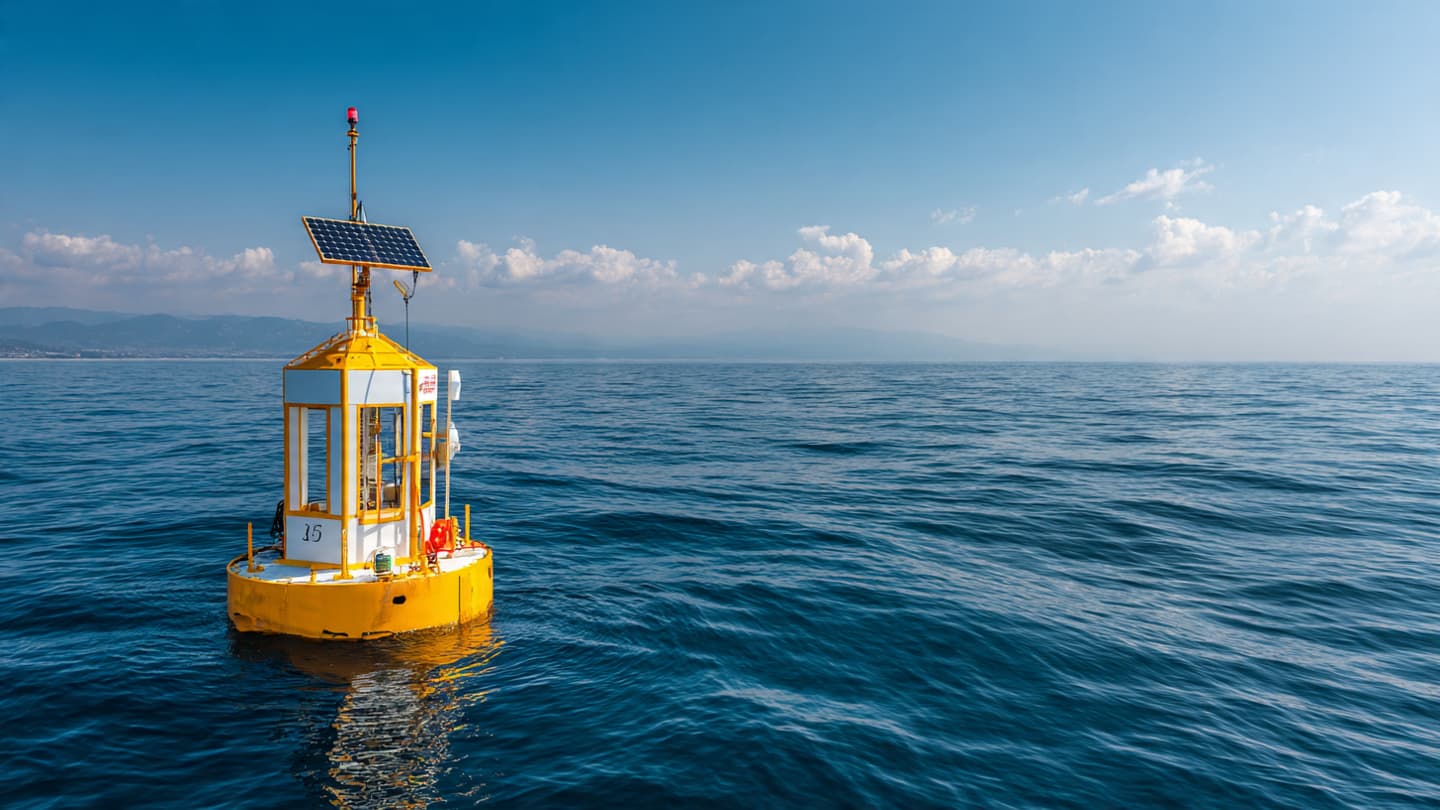
AI Image Disclaimer: The illustration accompanying this article is AI-generated and intended for educational and visual purposes only.
Source Verification Check: The Guardian, National Science Foundation, Ocean Observatories Initiative, Scientific American
Published by Banx Network. This article is part of the Banx decentralized media programme, powered by the BXE token on the XRP Ledger.