The islands of the Comoros archipelago are bound together by the vast, unpredictable expanses of the western Indian Ocean, where deep blue waters have served as the primary highways for centuries. Between the islands of Grande Comore, Mohéli, and Anjouan, wooden vessels known locally as kwassas carry the lifeblood of regional trade, transporting passengers, fresh produce, and essential goods. These traditional boats, built by hand from local timber, are a common sight along the coastlines, navigating the swells with a practiced ease. However, the reliance on these modest vessels introduces a constant, underlying danger when they are pushed beyond their physical limits.
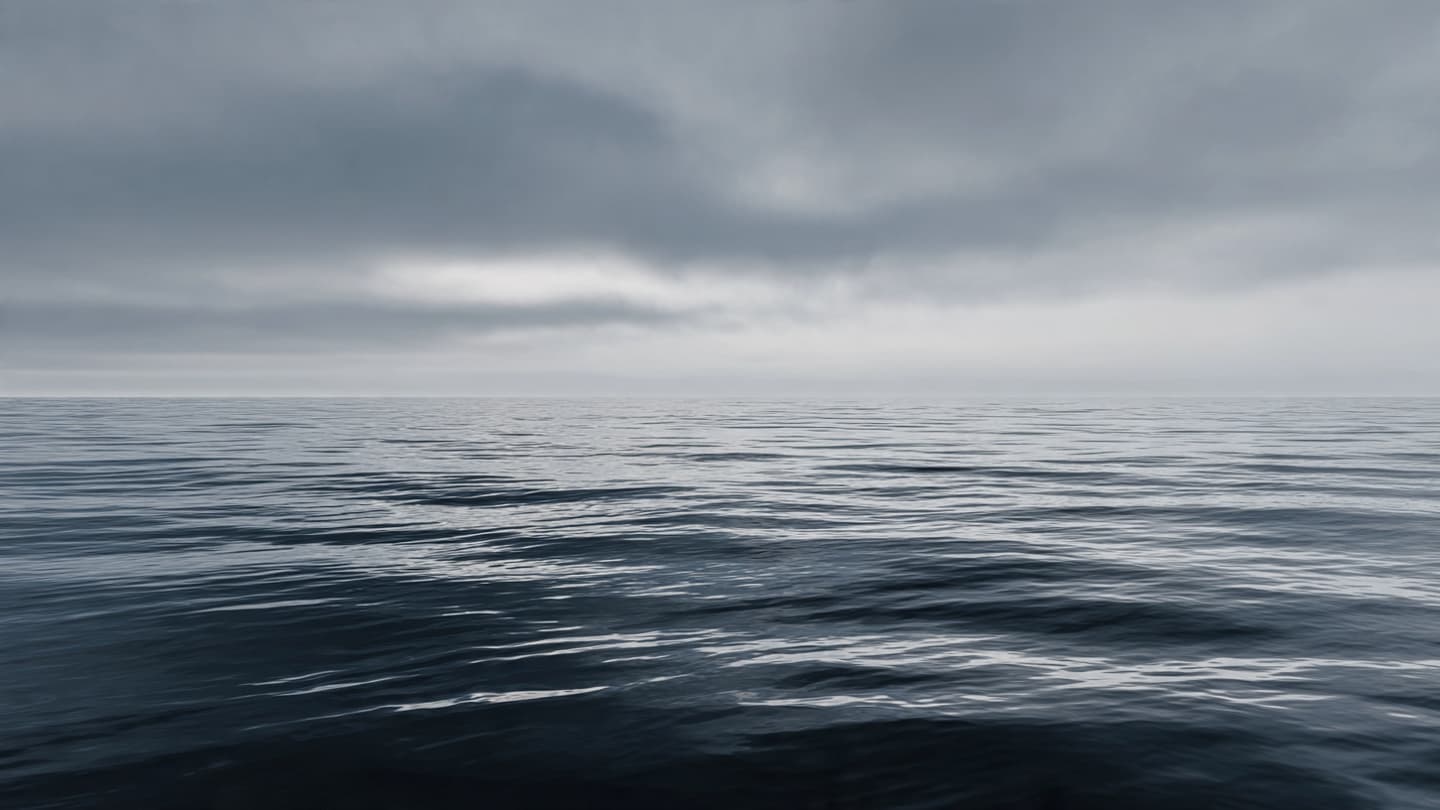
The maritime crossing between these islands is subject to sudden changes in weather, where strong ocean currents and high winds can quickly turn a routine voyage into a perilous struggle. When a ferry is overloaded with cargo and passengers, its stability is severely compromised, leaving it with very little clearance to weather the heavy swells. In these conditions, a single large wave or a sudden shift in weight can capsize a vessel in an instant, leaving its occupants at the mercy of the open sea.
During a recent crossing off the coast of Anjouan, a heavily laden wooden ferry encountered exceptionally rough seas. The vessel, riding dangerously low in the water, was struck by a series of powerful waves that breached the hull and destabilized the craft. Within moments, the boat overturned, throwing dozens of passengers into the churning water and leaving them to cling to floating debris as the current pulled them away from the shore.
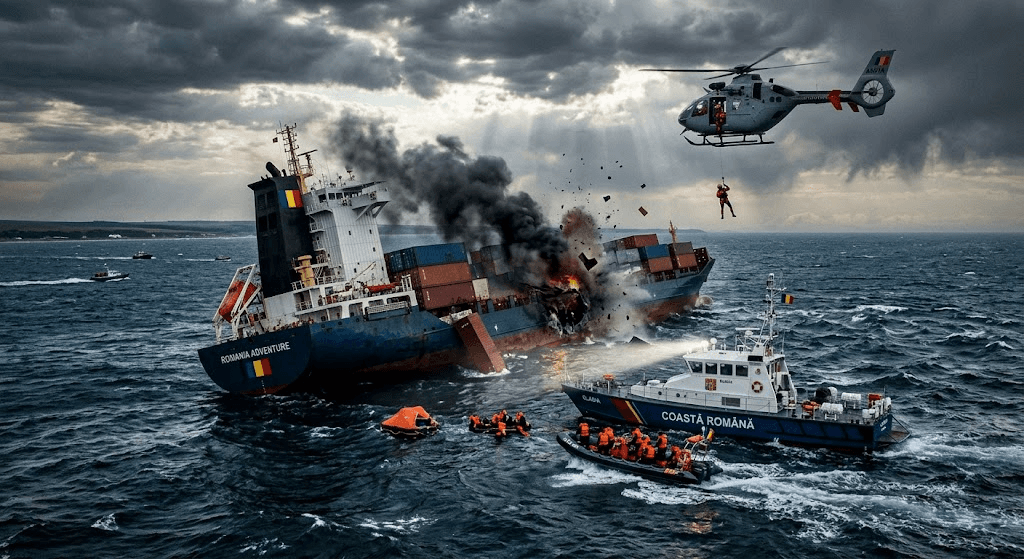
A massive search and rescue operation was mobilized immediately, coordinating the efforts of the local coast guard, commercial shipping vessels, and traditional fishermen who braved the rough conditions to assist. Search lights swept across the dark water during the night, as rescue teams worked tirelessly to pull survivors from the sea. The vastness of the search area and the persistent strength of the wind have presented significant challenges to the recovery efforts.
At the port of Anjouan, a quiet, anxious crowd has gathered at the water's edge, waiting in agonizing silence for any news of their missing relatives. The tragedy has cast a deep shadow over the island community, raising urgent questions about maritime safety standards and the regulation of passenger limits on inter-island transport. The contrast between the familiar beauty of the ocean and its sudden, unforgiving power is felt deeply by those who live along its shores.
Rescue vessels continue to patrol the waters downstream from the capsizing site, hoping to locate further survivors as the search enters its second day. Local medical facilities have been placed on high alert to receive those rescued, providing treatment for exposure and water inhalation. An official inquiry has been launched by maritime authorities to determine the precise loading conditions and decisions that led to the tragic capsizing.
Published by Banx Network. This article is part of the Banx decentralized media programme, powered by the BXE token on the XRP Ledger.