
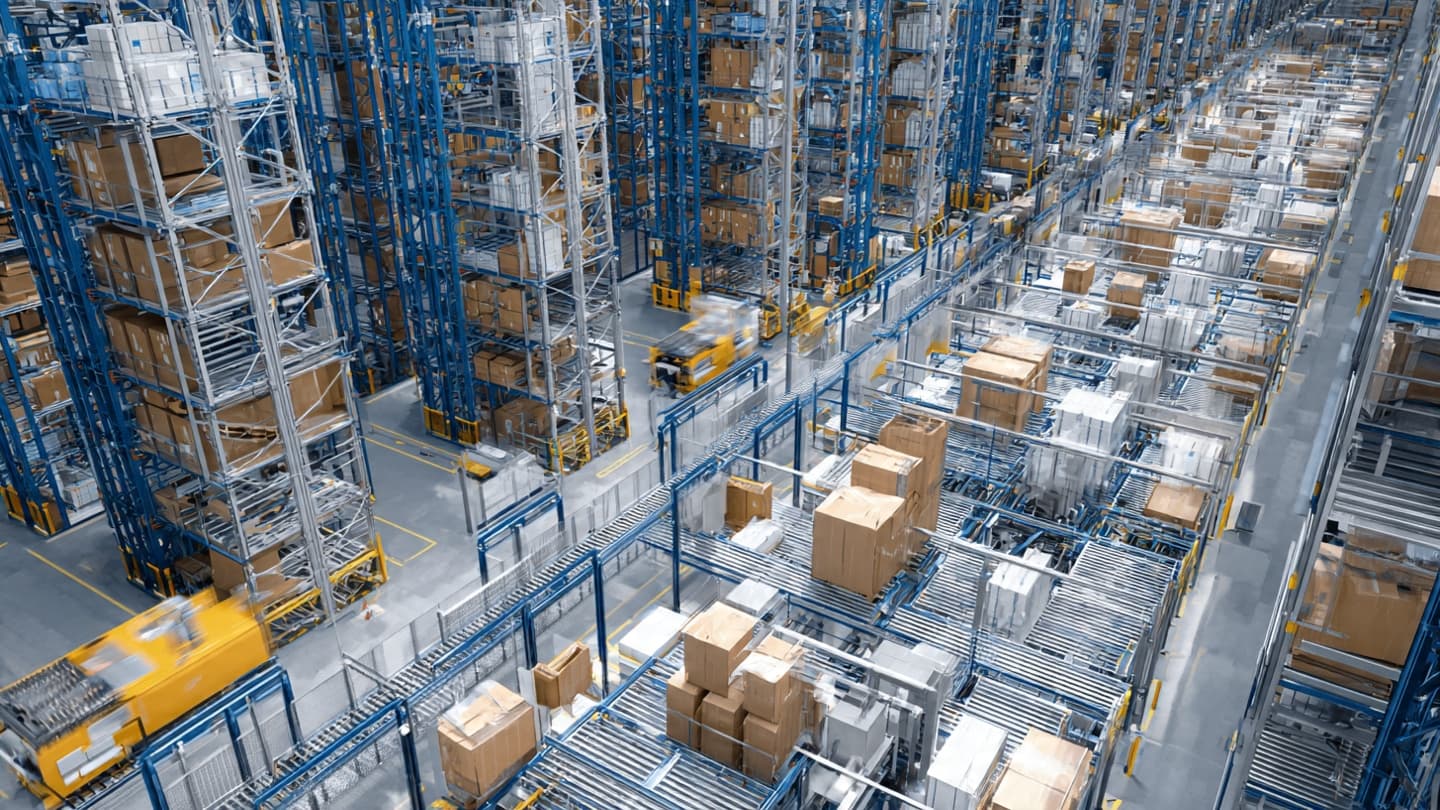
Modern commerce often feels effortless. A product is selected, a button is pressed, and days later a package arrives at the doorstep. Yet behind that simple experience exists an intricate network of warehouses, transportation systems, digital platforms, and thousands of workers coordinating the movement of goods. It is within this often unseen world that Amazon has announced a €400 million investment aimed at expanding its logistics operations in France.
The investment reflects the continuing evolution of consumer expectations. Over the past decade, online shopping has transformed from a convenience into a routine part of daily life for millions of people. As demand grows, companies face increasing pressure to improve efficiency, reduce delivery times, and strengthen supply chain resilience.
France represents one of Europe’s most significant consumer markets, making it a strategic location for logistics expansion. Its extensive transportation infrastructure, geographic position, and access to neighboring markets have helped establish the country as an important hub for regional distribution networks.
Amazon’s planned investment is expected to support facilities and systems designed to improve the movement of products throughout the country. Logistics infrastructure plays a crucial role in ensuring that goods can travel efficiently from suppliers to customers, often involving sophisticated technology and complex operational planning.
The announcement also highlights the growing importance of supply chains within the global economy. Recent years have demonstrated how disruptions in transportation, manufacturing, and distribution can affect businesses and consumers alike. As a result, many companies are investing heavily in strengthening operational flexibility and reliability.
Large logistics projects frequently generate economic activity beyond their immediate purpose. Construction work, equipment procurement, transportation services, and facility operations can create opportunities across multiple sectors. Local communities often benefit from increased demand for support services and related business activities.
Technology continues to play a central role in modern logistics. Automation, artificial intelligence, predictive analytics, and advanced inventory management systems have transformed how goods are stored and transported. Investments in infrastructure increasingly include digital solutions designed to improve speed and efficiency.
Environmental considerations are also becoming more prominent within the logistics sector. Companies face growing expectations to reduce emissions, optimize transportation routes, and improve energy efficiency. New investments often incorporate sustainability measures alongside operational improvements.
For France, the expansion reflects continued confidence in the country’s economic environment and consumer market. International companies continue to view logistics infrastructure as a key component of long-term growth strategies, particularly in regions with strong connectivity and stable demand.
As the investment moves from announcement to implementation, its effects will unfold gradually. New facilities, upgraded systems, and expanded operations may not attract the same attention as consumer-facing innovations, yet they remain essential to modern commerce. In many ways, logistics represents the quiet machinery that keeps the global economy moving forward.
AI Image Disclaimer Illustrations were produced with AI and serve as conceptual depictions.
Source Check Credible sources available:
Reuters Bloomberg Financial Times CNBC Euronews
Published by Banx Network. This article is part of the Banx decentralized media programme, powered by the BXE token on the XRP Ledger.
.jpg&w=3840&q=75 "Blake Lively Awarded $400,000 in Legal Fees After Justin Baldoni Lawsuit Dismissed")

.jpg&w=3840&q=75 "US Declares Drought Disaster for Parts of Puerto Rico as Dry Conditions Persist")