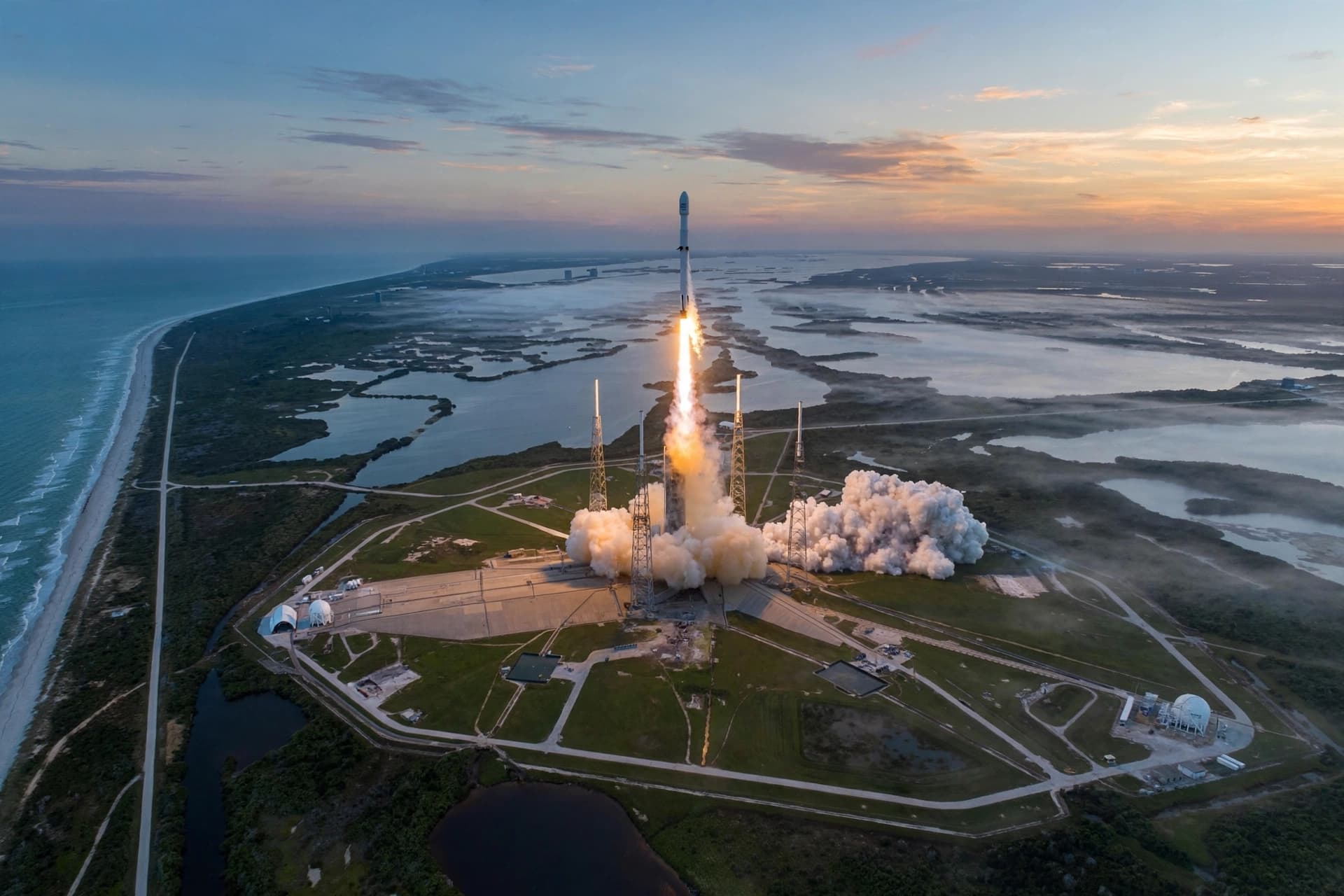
Some of humanity’s greatest journeys have depended on a simple question: how do we travel farther? From ships crossing oceans to aircraft connecting continents, progress has often been measured by the ability to move beyond familiar horizons. In space exploration, that same question now points toward Mars, where NASA is testing new propulsion technology designed to support future human missions.
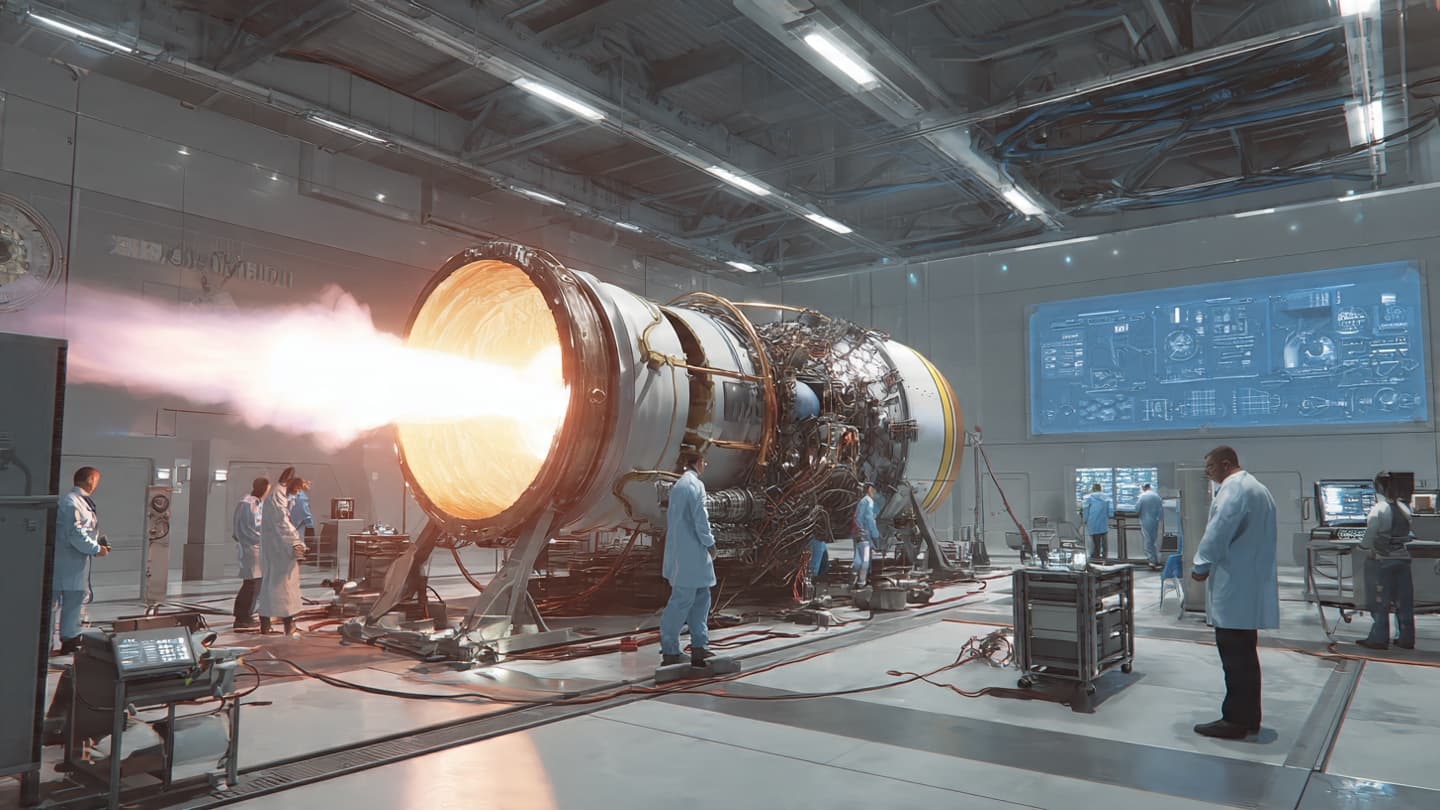
The recently tested thruster represents part of a broader effort to develop faster and more efficient methods of deep-space transportation. Engineers continue to search for systems capable of reducing travel times while maintaining safety and reliability during long-duration missions.
A journey to Mars presents challenges unlike those faced in low-Earth orbit or even lunar exploration. Astronauts would spend months traveling through space, exposed to radiation, isolation, and the logistical demands of carrying supplies across vast distances. Improved propulsion systems could help address several of these concerns.
NASA researchers report that advanced thruster technologies may provide greater efficiency than conventional chemical propulsion alone. By improving how spacecraft generate and use thrust, future missions could potentially achieve higher performance while reducing fuel requirements.
The development reflects decades of research into next-generation propulsion concepts. Scientists have explored a variety of approaches, including electric propulsion, nuclear-based systems, and hybrid technologies designed to maximize mission flexibility. Each concept carries unique advantages and technical challenges.
Mars remains a central objective for many space agencies because of its scientific significance. The planet offers opportunities to study planetary evolution, climate history, and the possibility of ancient microbial life. Human exploration could dramatically expand research capabilities beyond what robotic missions can accomplish alone.
Private companies and international partners are also contributing to the broader conversation surrounding Mars exploration. Collaboration has become an increasingly important feature of large-scale space projects, particularly those involving complex technological requirements.
Experts caution that a successful thruster test represents only one step within a much larger process. Extensive testing, certification, and system integration must occur before any propulsion technology becomes part of a crewed interplanetary mission.
Still, each technological milestone moves the vision of human exploration closer to reality. The road to Mars remains long, but advances in propulsion continue to shorten the distance between aspiration and achievement.
AI Image Disclaimer: The illustration accompanying this article was generated using AI technology for visual representation purposes.
Source Verification Check: NASA, Space.com, Reuters, New Scientist, Ars Technica
Published by Banx Network. This article is part of the Banx decentralized media programme, powered by the BXE token on the XRP Ledger.