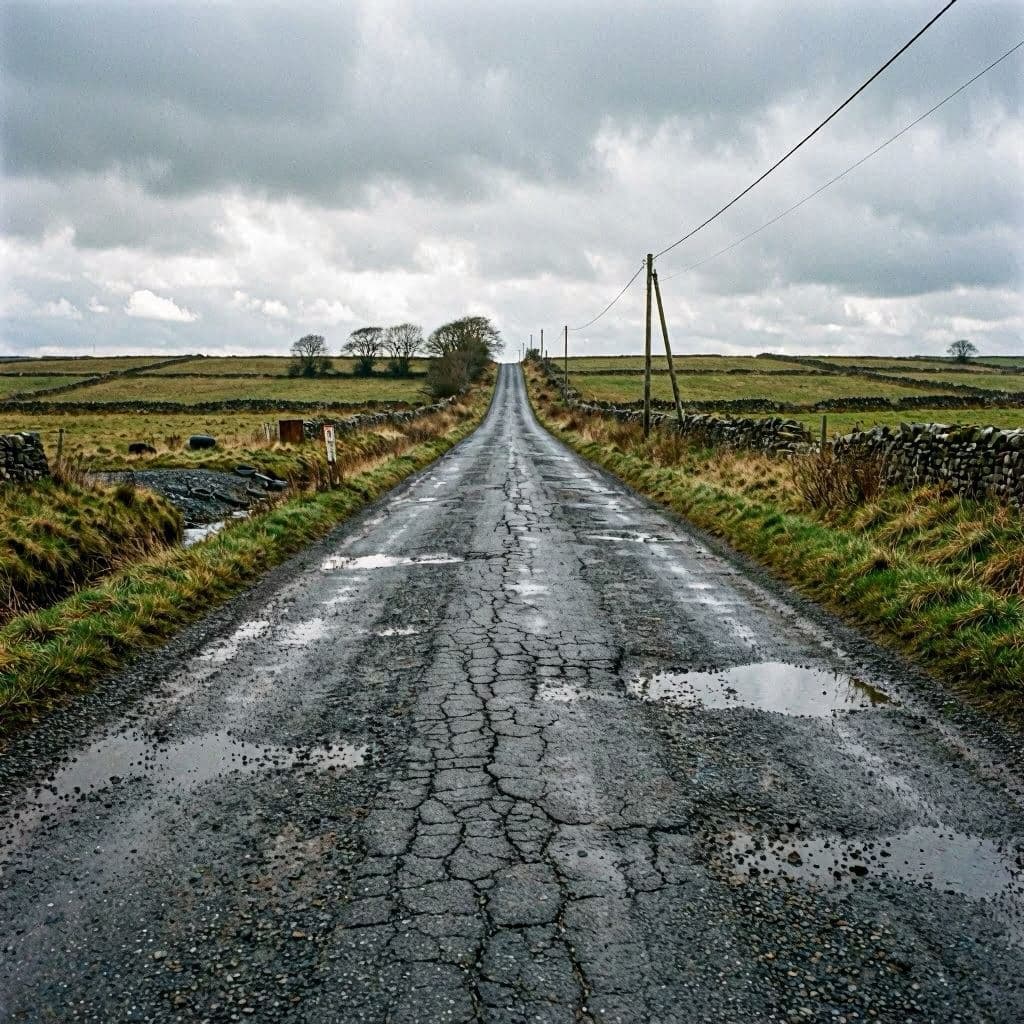
The roads that connect regional Victoria are more than just strips of asphalt; they are lifelines for communities, conduits for commerce, and pathways for families. Recently, these vital arteries became the focus of intense political scrutiny as Premier Jacinta Allan faced tough questions about their deteriorating condition. Opposition leaders labeled the state of regional roads as "dangerous," prompting a heated exchange over responsibility and funding. When the Coalition proposed a 5 billion pledge to address the issue, the Premier dismissed it as insufficient or politically motivated. This debate is not just about budget lines; it is a reflection of the broader tension between urban priorities and regional needs.
Body: The criticism stems from a growing number of accidents and complaints from rural residents who feel neglected by state infrastructure planning. For farmers, truck drivers, and daily commuters, poor road conditions pose real risks to safety and economic viability. Potholes, inadequate signage, and narrow lanes are not mere inconveniences but hazards that can lead to tragedy. The emotional weight of these concerns was evident in the parliamentary questioning, where voices from regional electorates demanded urgent action.
Premier Allan defended her government’s record, highlighting existing investments and long-term plans for road upgrades. She argued that the Coalition’s 5 billion promise lacked detail and was a campaign tactic rather than a concrete solution. Her dismissal of the pledge suggests a belief that sustainable infrastructure requires more than just a large number; it needs strategic planning, maintenance frameworks, and consistent funding over time.
However, for those living in the regions, the political maneuvering can feel disconnected from their daily reality. The perception of being second-class citizens in their own state is a persistent grievance. When leaders debate billions in parliament, the local driver is still navigating a crumbling shoulder. This disconnect fuels distrust and amplifies the sense that regional voices are not being heard clearly enough in Melbourne.
The economic implications of poor infrastructure are significant. Transport delays increase costs for businesses, reducing competitiveness and impacting local economies. Tourism, a key sector for many regional towns, also suffers when access is difficult or perceived as unsafe. Investing in roads is therefore not just a safety issue but an economic imperative that supports the vitality of rural Victoria.
Safety advocates have joined the chorus, calling for independent audits and transparent reporting on road conditions. They argue that without accurate data, it is difficult to hold governments accountable or prioritize repairs effectively. Community groups are increasingly organizing to document hazards and lobby for change, demonstrating a grassroots demand for better standards.
The political standoff highlights the complexity of federal-state responsibilities in infrastructure. While the state manages most roads, federal funding often plays a crucial role in major projects. Blame-shifting between levels of government can delay solutions, leaving communities in limbo. Cooperation, rather than confrontation, is often cited as the key to unlocking the necessary resources.
As the debate continues, the focus remains on finding a path forward that ensures safe and reliable transport for all Victorians. Whether through increased state spending, federal partnerships, or alternative funding models, the goal must be the well-being of regional communities. The roads themselves are silent witnesses to this political struggle, waiting for the repair that promises both safety and dignity.
Closing: In the end, the dispute over Victoria’s regional roads is a test of political will and prioritization. It reminds us that infrastructure is a fundamental service that affects every aspect of life. As discussions proceed, the hope is that practical solutions will emerge, bridging the gap between policy and pavement.
AI Image Disclaimer: The visual representations associated with this article are AI-generated artistic interpretations designed to illustrate the themes of political debate and infrastructure.
Sources: The Age Herald Sun ABC News (Victoria)
Published by Banx Network. This article is part of the Banx decentralized media programme, powered by the BXE token on the XRP Ledger.