
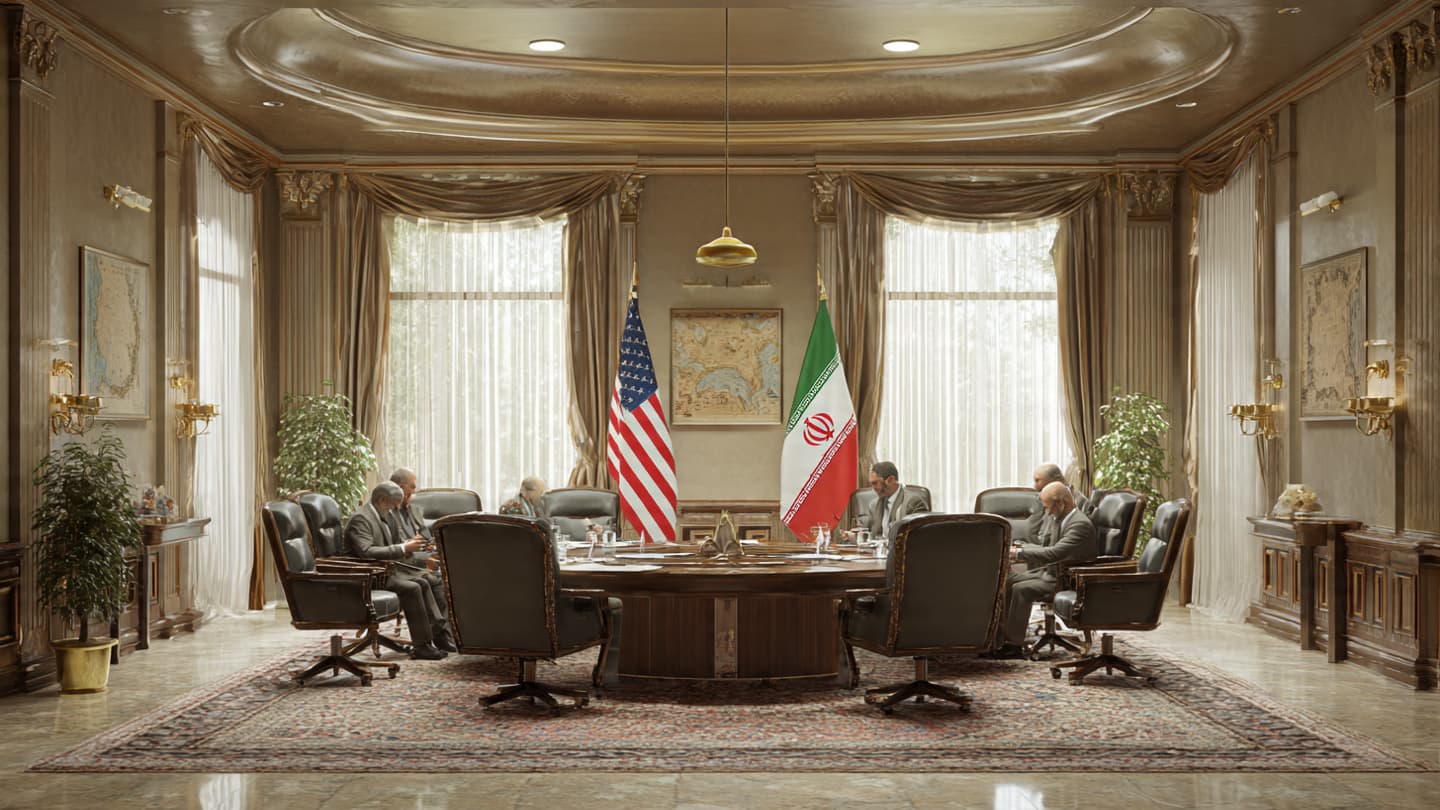
In moments of geopolitical tension, diplomacy often moves like a slow river through dry land—quietly, unevenly, and under constant watch. Across the Middle East, where uncertainty has lingered like heat over desert roads, reports of a possible understanding between the United States and Iran arrived with a measured sense of pause rather than celebration. The language surrounding the discussions remained careful, but even cautious words can alter the atmosphere around a long-standing dispute.
According to multiple reports citing US officials, Iran has agreed “in principle” to a framework involving the disposal of highly enriched uranium. The discussions are reportedly tied to broader negotiations aimed at reducing regional tensions and reopening maritime trade routes near the Strait of Hormuz, a passage critical to global energy markets. While officials described progress in positive terms, they also acknowledged that significant technical and political details remain unresolved.
The reported framework appears to focus on limiting nuclear escalation while creating room for longer-term negotiations. Officials familiar with the talks said discussions continue over how the enriched uranium would be handled, including whether it would be diluted, transferred abroad, or processed under international supervision. At this stage, no formal signing has been announced publicly by either government.
The issue of enriched uranium has remained central to international concerns about Iran’s nuclear program for years. Western governments have argued that stockpiles enriched to high levels shorten the timeline needed for potential weapons development, while Iranian officials have consistently maintained that their nuclear activities are intended for civilian purposes. The latest discussions therefore carry both technical importance and symbolic weight.
At the same time, differing public messages from Washington and Tehran have added uncertainty to the diplomatic picture. Some Iranian-linked reports suggested that nuclear matters are not yet fully included in the current stage of negotiations, while several US officials described the uranium issue as part of the broader framework already under discussion. That contrast reflects how sensitive such negotiations remain on both domestic and international fronts.
Regional leaders are also watching closely. Israeli officials have expressed concern over any arrangement perceived as incomplete or temporary, while Gulf states continue monitoring how maritime security and oil exports could be affected by future agreements. For many countries in the region, stability around shipping routes remains as important as the nuclear discussions themselves.
President Donald Trump commented publicly that negotiations were progressing but should not be rushed. His administration has reportedly framed the proposed arrangement as stronger than previous agreements reached during earlier US administrations. Supporters argue that gradual diplomacy may reduce immediate risks, while critics question whether enough verification mechanisms would be included in a final deal.
Despite the uncertainty, financial markets and diplomatic observers reacted carefully to the reports. Energy traders have closely followed developments surrounding the Strait of Hormuz, where disruptions can influence oil prices worldwide. Even tentative progress in negotiations can affect expectations across global trade and regional security planning.
For now, officials on all sides appear to be moving carefully between pressure and compromise. The framework remains incomplete, and negotiations are expected to continue in the coming weeks. Yet amid years of confrontation, even limited diplomatic movement has become a significant development in itself.
AI Image Disclaimer: Some visual illustrations accompanying this article were generated using artificial intelligence for editorial presentation purposes.
Sources: Reuters, CBS News, The Jerusalem Post, Semafor, Axios, The Guardian
Note: This article was published on BanxChange.com and is powered by the BXE Token on the XRP Ledger. For the latest articles and news, please visit BanxChange.com