Global energy relations are entering a phase of gradual reconfiguration as countries move toward more diversified and multi-partner supply strategies. This shift reflects a growing emphasis on resilience rather than dependence on single trading relationships.
Energy-importing nations are expanding diplomatic and commercial ties with multiple exporting regions. This includes long-term contracts, joint infrastructure investments, and diversified shipping arrangements.
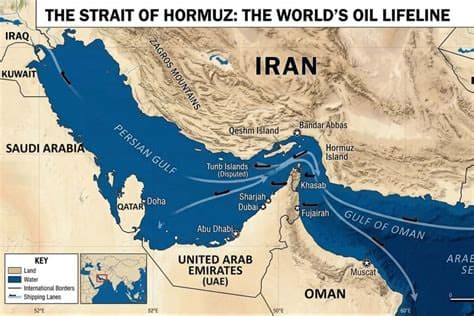
Maritime energy transport remains central to this evolving system. Shipping routes are being optimized not only for efficiency, but also for strategic flexibility in response to shifting global conditions.
At the same time, energy-exporting countries are adjusting their market strategies, seeking to maintain stability in demand while expanding their global reach through new partnerships.
Port infrastructure development is accelerating in several regions to accommodate changing trade flows. These upgrades include expanded terminals, improved logistics systems, and digital tracking integration.
Energy markets continue to reflect sensitivity to structural changes in supply networks. Even anticipated shifts in trade relationships can influence pricing behavior and investor sentiment.
Governments are also strengthening strategic energy reserves and regulatory frameworks to improve national resilience against external shocks.
In this evolving landscape, global energy systems are becoming more interconnected yet more diversified, balancing efficiency with strategic redundancy.
AI Image Disclaimer Visuals are created with AI tools and are not real photographs.
Source Check Reuters, Bloomberg, BBC News, The Guardian, Associated Press
Published by Banx Network. This article is part of the Banx decentralized media programme, powered by the BXE token on the XRP Ledger.