
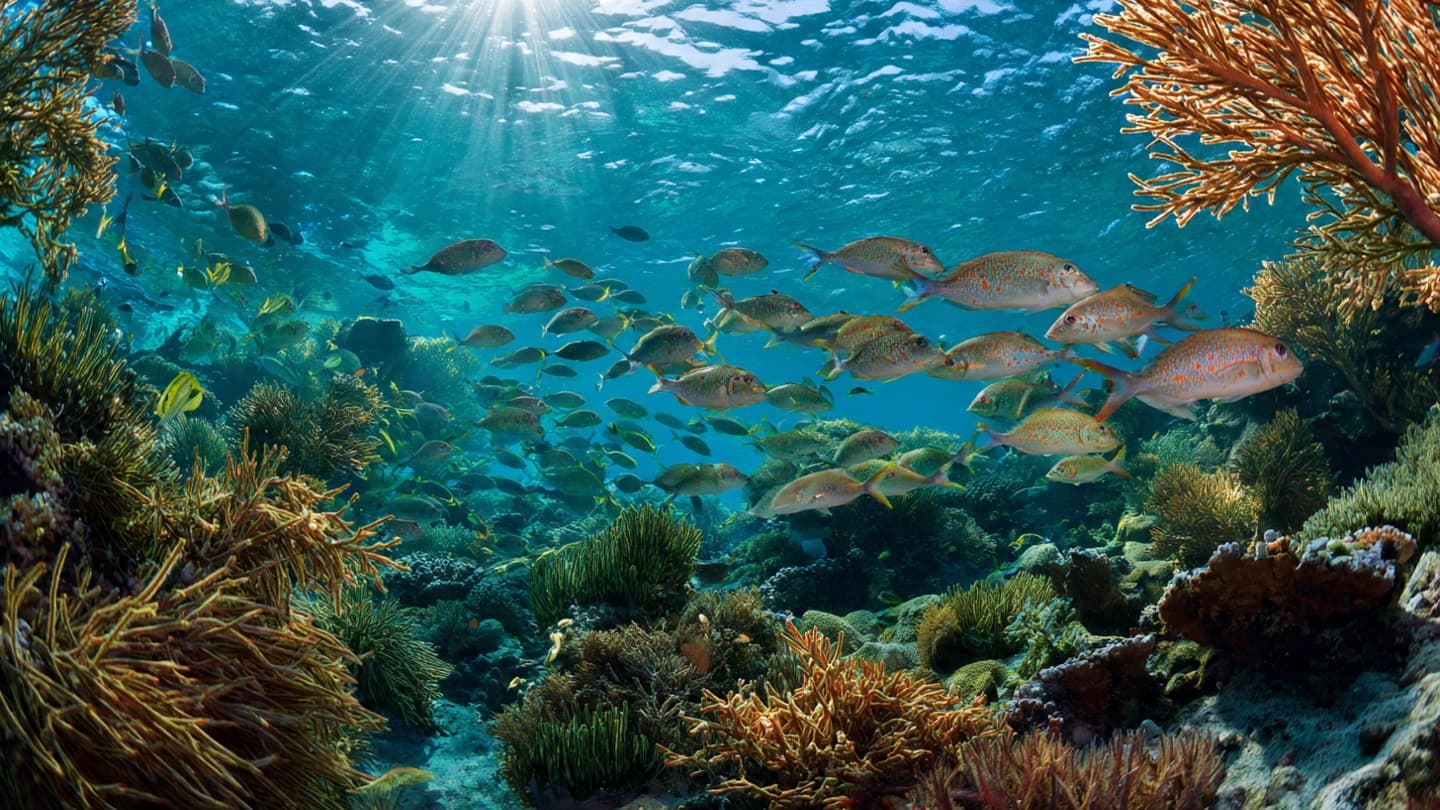
The ocean rarely announces its changes with certainty. Beneath shifting tides and endless horizons, transformations often occur gradually, hidden from casual observation. Yet scientists who spend years studying marine ecosystems learn to recognize subtle signals—small indicators that reveal whether nature is struggling or beginning to recover.
Researchers in France have recently reported encouraging developments linked to marine conservation initiatives in several protected areas. Their findings suggest that long-term environmental management efforts may be helping certain ecosystems regain stability and resilience.
Marine environments support extraordinary biodiversity. From coastal wetlands and seagrass meadows to deeper offshore habitats, these ecosystems provide shelter, breeding grounds, and feeding areas for countless species. Healthy oceans also contribute to climate regulation, food security, and economic activity.
Scientists emphasize that conservation progress is rarely immediate. Ecosystems often require years, sometimes decades, to recover from environmental pressures. Effective management depends upon patience, consistent monitoring, and the willingness to adapt strategies as new information emerges.
Protected marine areas have become an important component of conservation planning. By limiting activities that may place excessive stress on sensitive habitats, these zones can create opportunities for species populations to stabilize and regenerate over time.
Researchers note that improvements are often measured through indicators such as biodiversity levels, habitat quality, and ecosystem function. Positive trends in these areas provide valuable insight into the effectiveness of conservation measures and management practices.
Public awareness has also contributed to growing support for marine protection. Educational initiatives, scientific outreach programs, and community engagement efforts help strengthen understanding of how ocean health influences broader environmental systems.
Challenges remain significant. Pollution, climate change, overexploitation of resources, and habitat degradation continue affecting marine ecosystems around the world. Conservation successes therefore exist alongside ongoing concerns that require sustained attention and cooperation.
Environmental experts frequently highlight the importance of evidence-based decision-making. Reliable scientific data allows policymakers and conservation organizations to refine strategies while directing resources toward approaches that demonstrate measurable results.
The encouraging observations reported by French researchers offer a reminder that environmental recovery is possible. While no single initiative can resolve every challenge facing the oceans, sustained commitment and informed stewardship can create conditions in which marine ecosystems have an opportunity to thrive once again.
AI Image Disclaimer Graphics are AI-generated and intended for representation, not reality.
Source Check Credible sources identified before writing:
Le Monde Reuters France 24 International Union for Conservation of Nature (IUCN) UNESCO Ocean Sciences
Note: This article was published on BanxChange.com and is powered by the BXE Token on the XRP Ledger. For the latest articles and news, please visit BanxChange.com