Opening: In the quiet corridors of global diplomacy, where trust is often as fragile as glass, the specter of nuclear expansion casts a long and unsettling shadow. Recent reports indicate that China has significantly increased its stockpile of nuclear warheads over the past six years, a move that has reshaped the strategic landscape of international security. This rapid growth, described by some analysts as a tripling of capacity, is not merely a statistical change but a profound shift in the balance of power. It invites reflection on the motivations behind such buildup and the implications for a world already strained by geopolitical tensions.
Body: The data, drawn from reputable sources such as the Stockholm International Peace Research Institute (SIPRI), suggests that China’s nuclear arsenal has grown from approximately 200 warheads in the early 2020s to over 500 today. This acceleration marks a departure from the country’s historical posture of minimal deterrence, signaling a new era of strategic ambition. For decades, China maintained a relatively small nuclear force, sufficient only for basic defense. The current expansion suggests a desire for parity with other major nuclear powers, reflecting a changing perception of national security needs.
This buildup is driven by a complex mix of factors. Regional instability, particularly in the Indo-Pacific, has heightened Beijing’s sense of vulnerability. The modernization of its military capabilities is seen by Chinese leaders as essential to protecting its sovereignty and interests in an increasingly competitive world. Additionally, advancements in missile technology and delivery systems have made a larger arsenal more feasible and effective. It is a calculated response to perceived threats, rather than an unprovoked aggression.
However, the speed of this expansion has raised concerns among neighboring countries and global powers. The United States, Russia, and other nuclear states are watching closely, aware that any shift in one nation’s capabilities can trigger a ripple effect across the entire strategic community. There is a fear that this growth could lead to a new arms race, where each side feels compelled to increase its own stockpile to maintain equilibrium. Such a scenario would undermine decades of disarmament efforts and increase the risk of miscalculation.
For the international community, the challenge lies in finding ways to engage China in dialogue about nuclear transparency and restraint. Traditional arms control frameworks have struggled to adapt to a multipolar world where multiple actors possess significant nuclear capabilities. New approaches are needed, ones that recognize the unique security concerns of all parties while promoting stability and confidence-building measures. Without such engagement, the risk of misunderstanding and escalation remains high.
Domestically, the expansion reflects a broader narrative of national rejuvenation and strength. For many in China, a robust nuclear deterrent is a symbol of status and security, a guarantee against external interference. This internal consensus supports the government’s military spending priorities, even as resources are diverted from other social needs. It is a trade-off that highlights the prioritization of state security in the current political climate.
Yet, the human cost of nuclear proliferation is not just measured in warheads but in the anxiety it generates. Communities around the world live with the underlying fear of conflict, a fear that is amplified by news of growing arsenals. Education and advocacy for peace remain vital tools in counteracting this narrative, reminding us that security is best achieved through cooperation rather than confrontation.
Closing: In the end, the tripling of China’s nuclear arsenal is a stark reminder of the enduring role of atomic weapons in global politics. It challenges us to rethink our approach to security and to seek paths that reduce reliance on such destructive power. As nations navigate this new reality, the hope remains that diplomacy and dialogue can prevail, ensuring that the future is defined not by the size of arsenals but by the strength of our shared humanity.
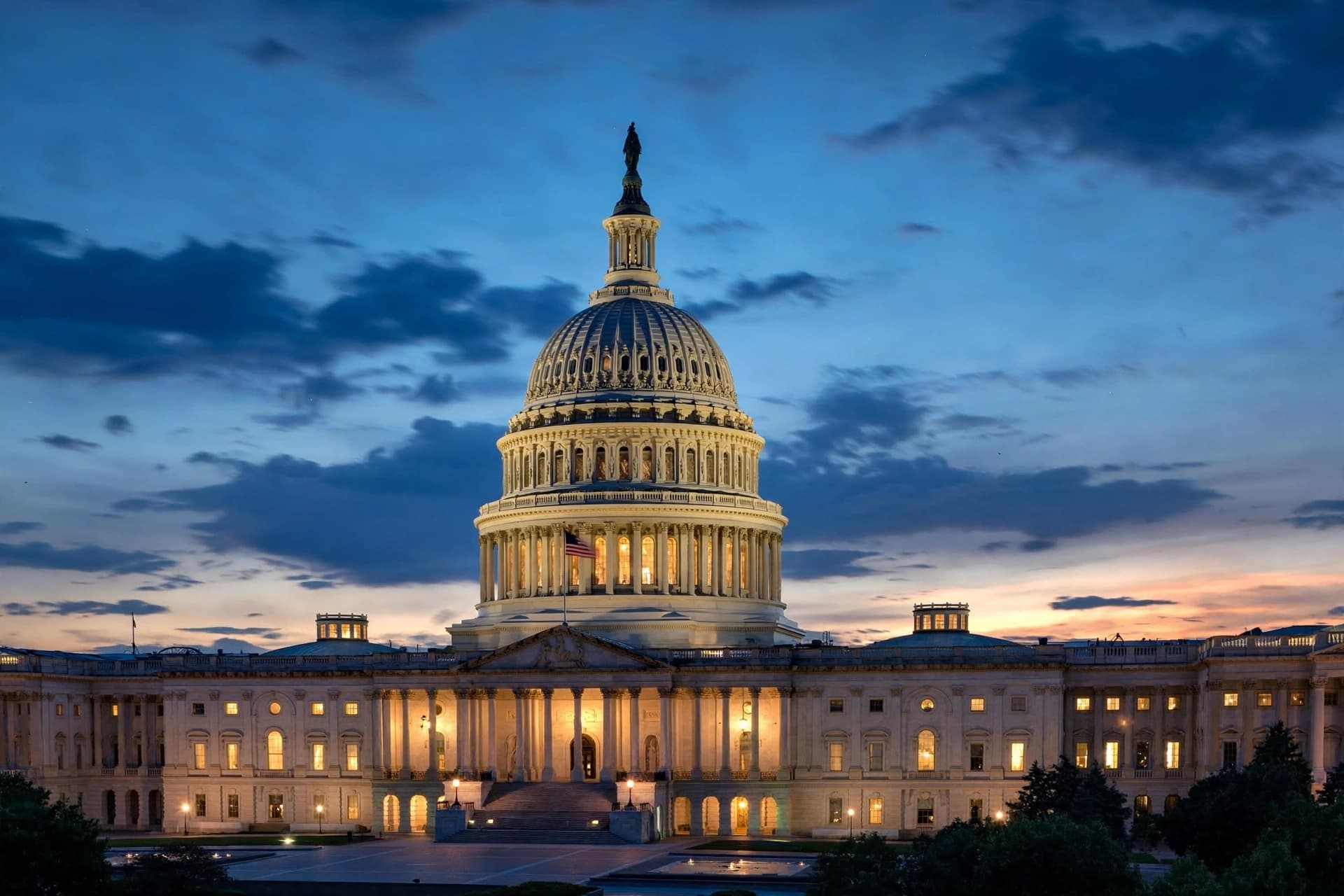
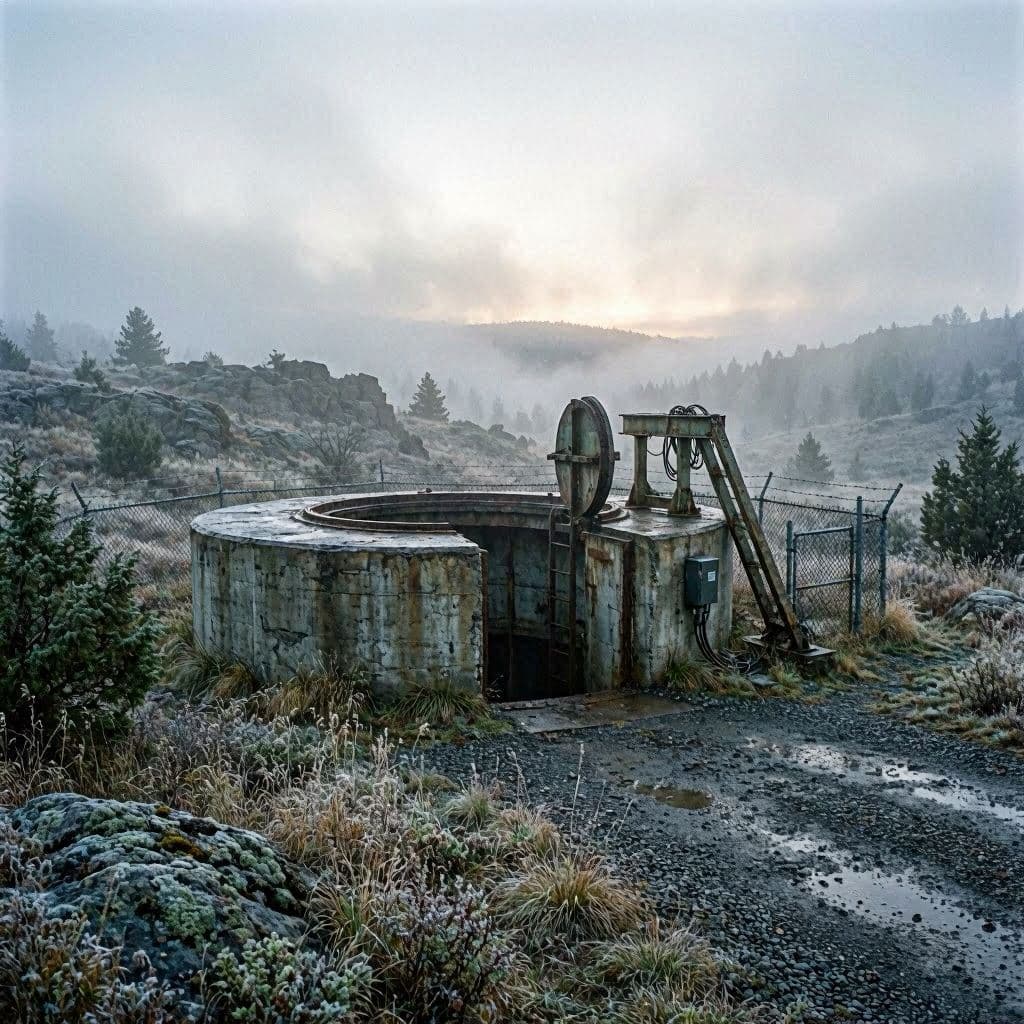
AI Image Disclaimer: Please note that any accompanying visuals for this narrative are artificially generated interpretations meant to evoke the spirit of the story, not documentary evidence.
Sources: Stockholm International Peace Research Institute (SIPRI) The Washington Post BBC News
Published by Banx Network. This article is part of the Banx decentralized media programme, powered by the BXE token on the XRP Ledger.