In the long corridor of international relations, where signals are often sent in measured language and restrained gestures, the recent escalation in rhetoric surrounding Iran reflects another turn in a familiar but complex chapter. The atmosphere is not new, yet it feels once again charged with anticipation.
Body: Reports from international media indicate that the United States has intensified its diplomatic and strategic pressure on Iran, particularly in response to ongoing concerns related to regional security dynamics. While official statements often remain carefully worded, the direction of policy is interpreted through actions, alliances, and public messaging.
The Middle East, already shaped by overlapping political and security interests, becomes especially sensitive during such periods. Small adjustments in policy or rhetoric can ripple outward, influencing not only bilateral relations but also broader regional calculations involving multiple state and non-state actors.
Diplomatic observers often describe these moments as “measured escalation,” where direct confrontation is avoided but pressure is applied through economic, political, or strategic channels. This approach reflects an effort to balance deterrence with the avoidance of open conflict.
In parallel, regional governments and international partners tend to reassess their positions during periods of heightened tension. Energy markets, security cooperation frameworks, and humanitarian considerations often intersect, making the situation multidimensional rather than isolated to a single dispute.
Analysts note that such developments rarely unfold in isolation. Instead, they are embedded within a broader historical context of negotiations, agreements, and periodic breakdowns in communication. Each new phase builds upon the residue of previous diplomatic cycles.
Despite the seriousness of the situation, diplomatic channels remain formally open. International institutions and intermediaries often continue to play quiet roles behind the scenes, attempting to maintain dialogue even when public rhetoric becomes more strained.
Closing: As tensions evolve, the situation remains fluid, shaped by both immediate decisions and long-standing geopolitical realities. While uncertainty persists, the emphasis in diplomatic circles remains on preventing escalation beyond political and strategic boundaries.
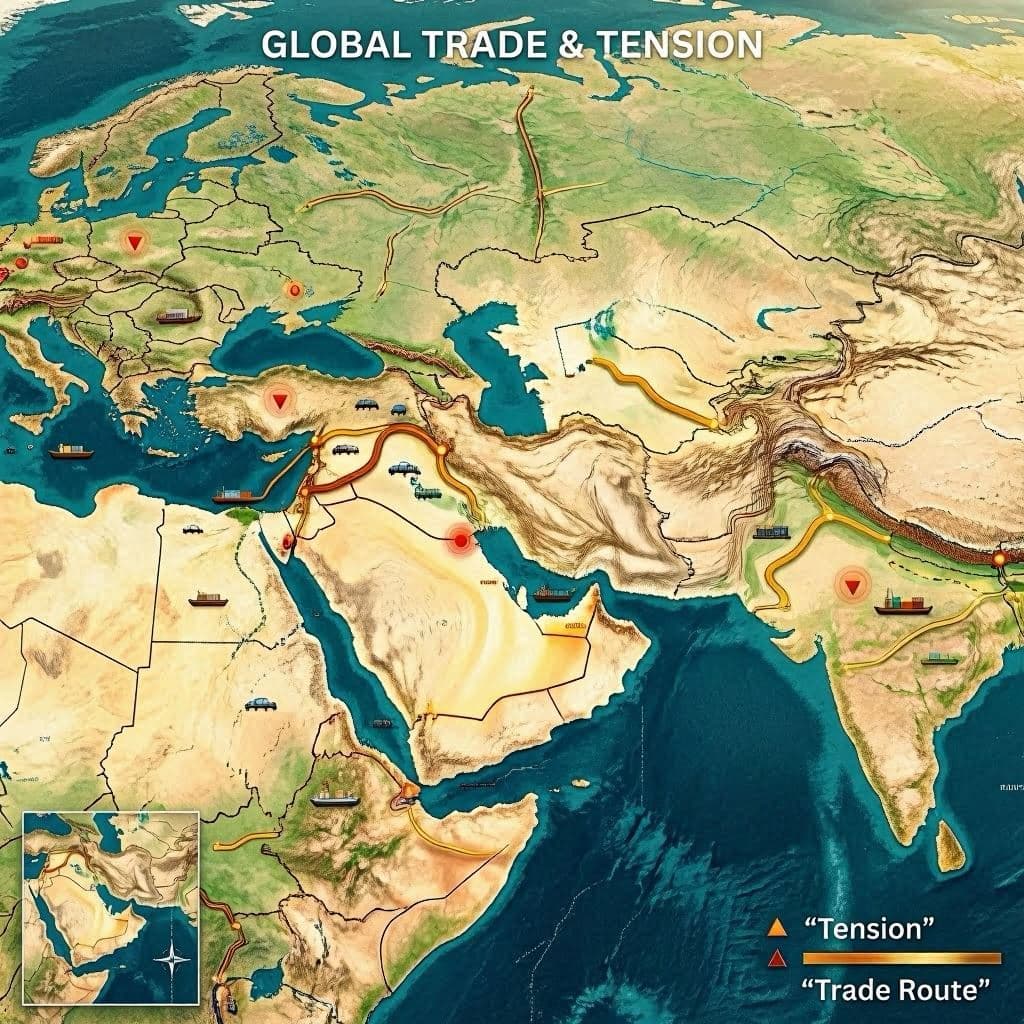
AI Image Disclaimer: This article includes AI-generated illustrative imagery intended for editorial visualization purposes only.
Sources (source verification check): The Guardian, Reuters, Associated Press, Al Jazeera
Note: This article was published on BanxChange.com and is powered by the BXE Token on the XRP Ledger. For the latest articles and news, please visit BanxChange.com