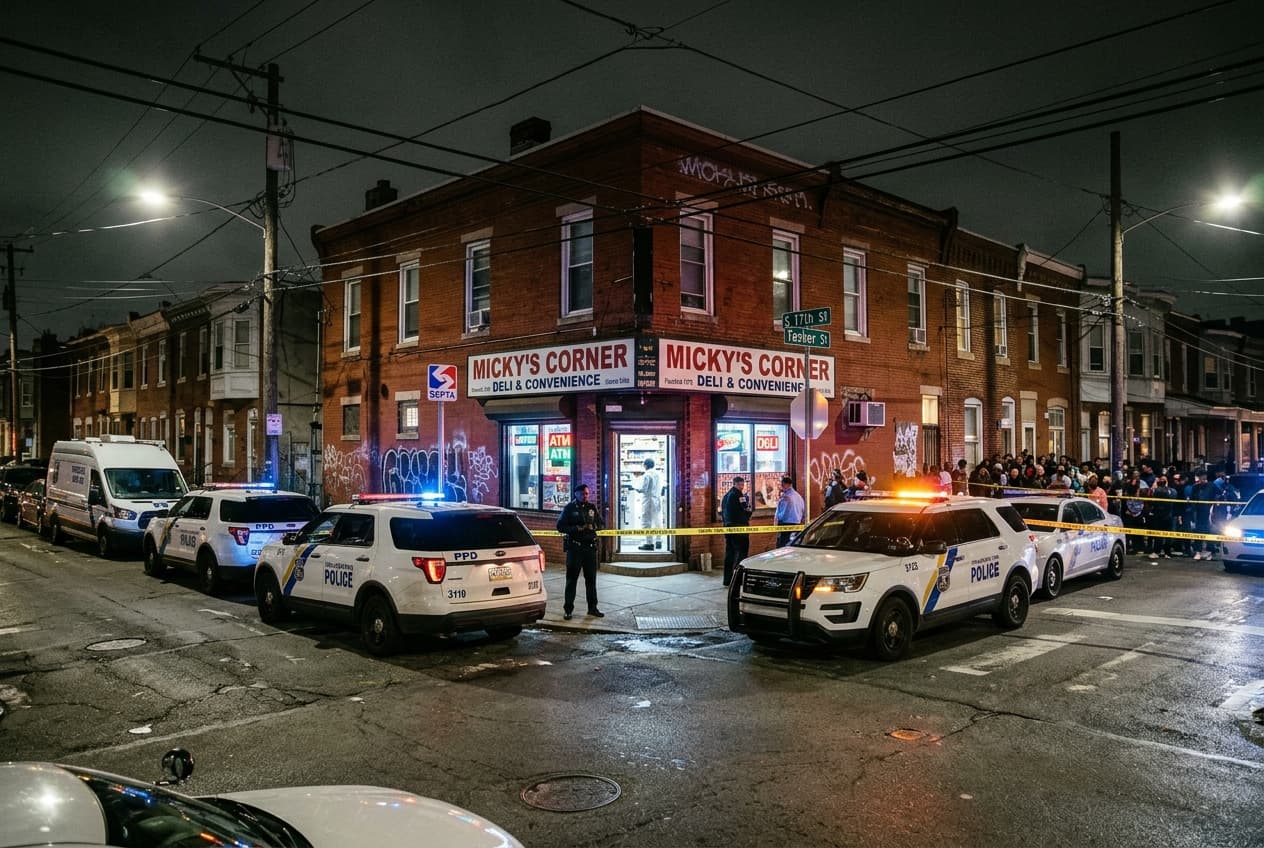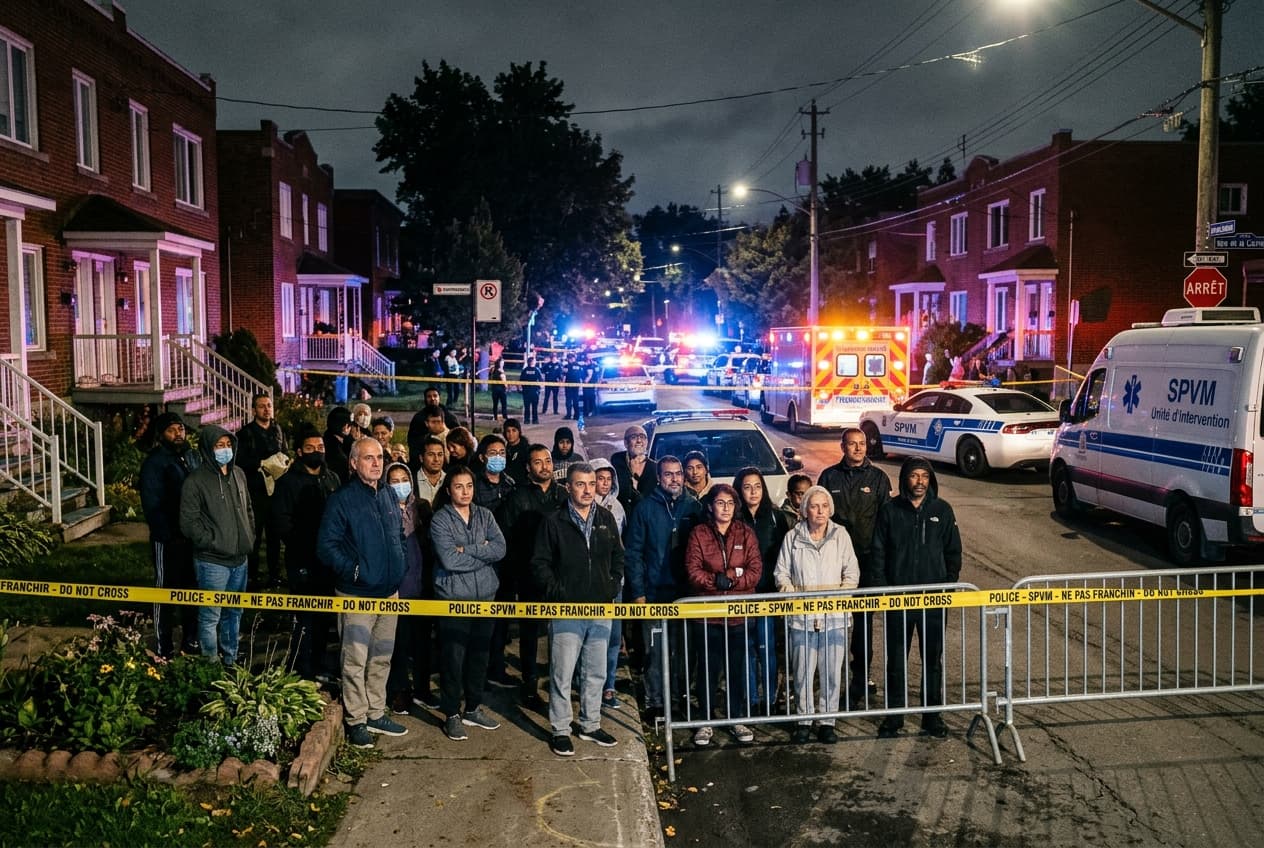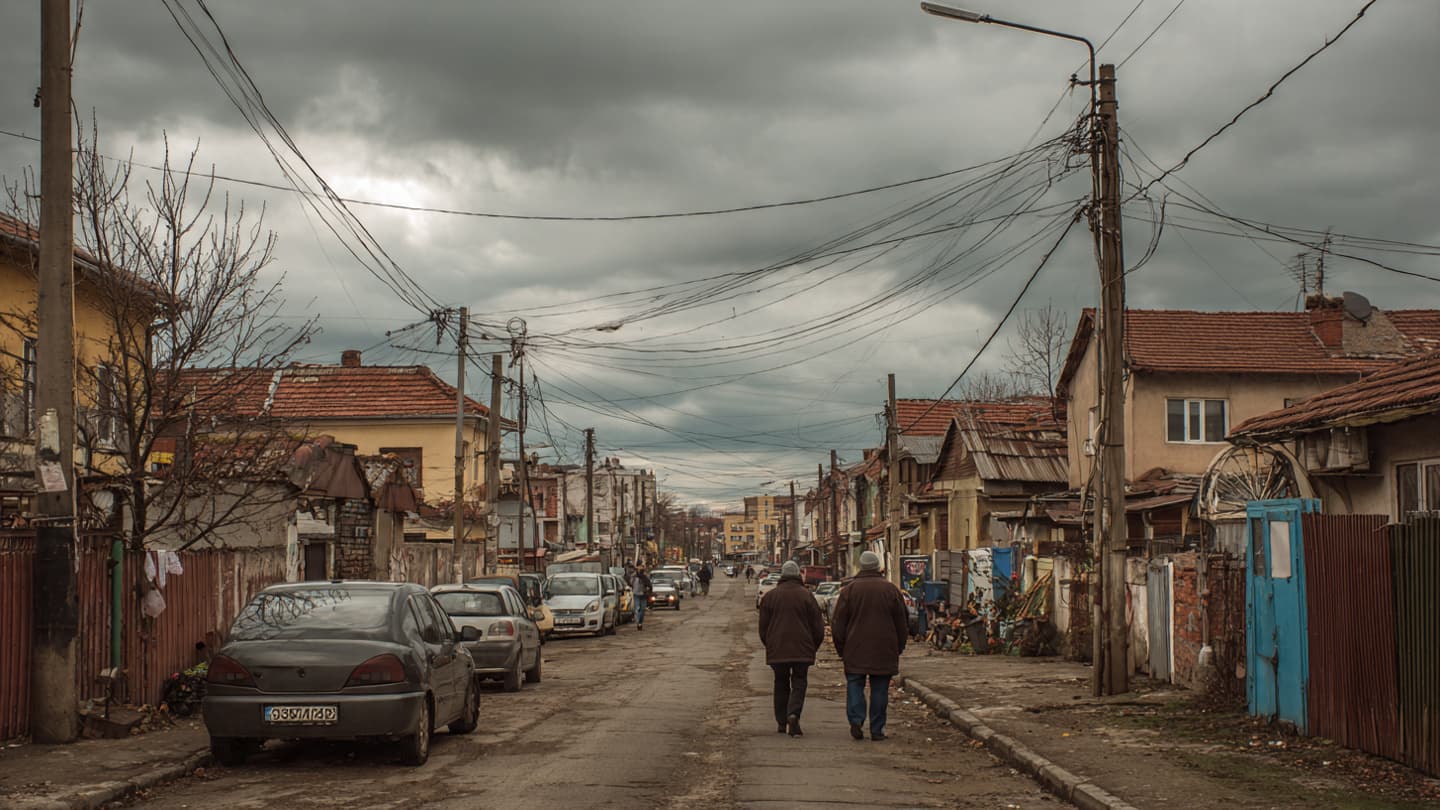
In the soft gray light that often settles over Eastern European mornings, streets can feel suspended between routine and alertness—where ordinary sounds carry a slight edge, as if listening for something not yet visible. In one Romanian city touched by a recent drone incident, that subtle tension has begun to linger in everyday life, shaping how residents move through familiar spaces.
The event, described by authorities as a drone strike or incursion affecting an area within Romania, has left parts of the local population unsettled, with residents speaking in measured tones about a growing sense of unease. While official assessments continue to clarify the nature and origin of the incident, the immediate human response has already taken form in quieter ways: altered routines, cautious observation of the sky, and conversations that pause when unfamiliar sounds pass overhead.
In recent years, drone activity across regions near broader security-sensitive corridors has introduced a new layer of uncertainty into civilian environments. Unlike conventional forms of conflict, drones often arrive without the familiar markers of distance or warning. They are experienced not as distant geopolitical signals, but as sudden presences in local airspace—brief, disorienting, and difficult to contextualize in the moment.
For residents of the affected city, the psychological imprint of such an event tends to outlast the physical disruption. Even when immediate danger passes, the perception of vulnerability can remain embedded in daily behavior. People speak of checking windows more often, of listening differently to the sky, of reconsidering what once felt automatic—walking at dusk, pausing in open spaces, or letting children play farther from home.
Local authorities have emphasized ongoing monitoring and coordination with national defense structures, aiming to ensure that airspace security measures are strengthened and that public reassurance is maintained. Yet reassurance, in moments like this, often develops unevenly. Institutional statements move through formal channels, while personal interpretations settle more slowly, shaped by proximity and lived experience.
The presence of drones in civilian-adjacent spaces reflects a broader shift in how modern security environments are structured. Airspace, once perceived as distant and abstract, has become increasingly layered with surveillance, defense systems, and contested zones. This evolution has blurred the boundary between frontline and everyday life, particularly in regions geographically closer to areas of heightened geopolitical tension.
In the affected community, conversations often return not only to what occurred, but to what might come next. The uncertainty is less about a single incident than about repetition—the possibility that such moments could reappear without warning. That anticipation, even when unspoken, becomes part of the ambient atmosphere of the city.
At the same time, daily life continues in its familiar rhythm. Shops open, transport resumes, and public squares gradually refill. Yet beneath these ordinary movements, there is a subtle recalibration taking place, as residents adjust to a landscape where security is no longer taken for granted but quietly negotiated in the background of routine.
As investigations proceed and official details continue to be clarified, the broader implications of the incident remain under assessment. What is already clear, however, is that its impact has extended beyond the immediate physical event. It has entered the realm of perception—where safety is measured not only by absence of harm, but by the persistence of confidence in open space.
In that space between explanation and experience, the city continues forward, carrying both its ordinary rhythms and the new awareness of fragility that now accompanies them.
AI Image Disclaimer Visuals were created using AI tools and are not real photographs.
Sources Reuters, BBC News, Associated Press, Al Jazeera, Radio Free Europe/Radio Liberty
Published by Banx Network. This article is part of the Banx decentralized media programme, powered by the BXE token on the XRP Ledger.