The highways of Panama are the vital arteries of the nation, connecting the bustling capital to the interior provinces and the vibrant coastal towns. Yet, to travel these routes is to participate in a system that carries its own set of hidden vulnerabilities. Reports of criminal activity on intercity buses and along these corridors have created a climate where the simple act of transit requires a heightened state of awareness and a cautious approach to the timing of one's journey.
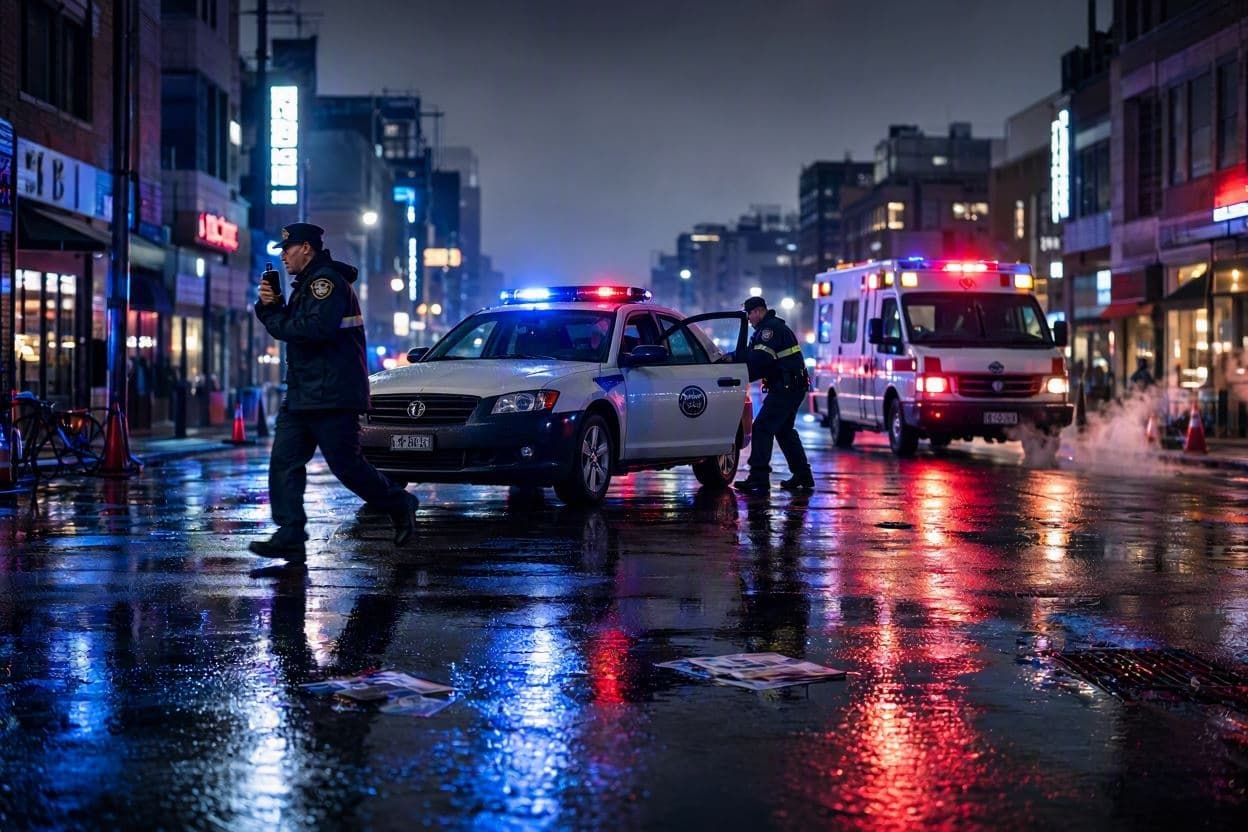
The reality of these risks is most acute as the day fades. The darkness, which masks the landscape, also provides a cover for those who target the vulnerability of the traveler. It is an editorial reality that the risks—ranging from petty theft to more aggressive acts of intimidation—are significantly heightened on buses and along unlit sections of highway after dark. This is not a deterrent to movement, but it is a necessary boundary for the prudent traveler.
One contemplates the experience of the passenger in these moments. The reliance on public transport, for many, is a necessity rather than a choice. This makes the security of the transit network a matter of social, not just personal, importance. When the infrastructure fails to provide a baseline level of safety, it is the most vulnerable who bear the heaviest burden. It is a reflection of a society that is still working to balance the connectivity of its citizens with the reality of criminal opportunistic behaviors.
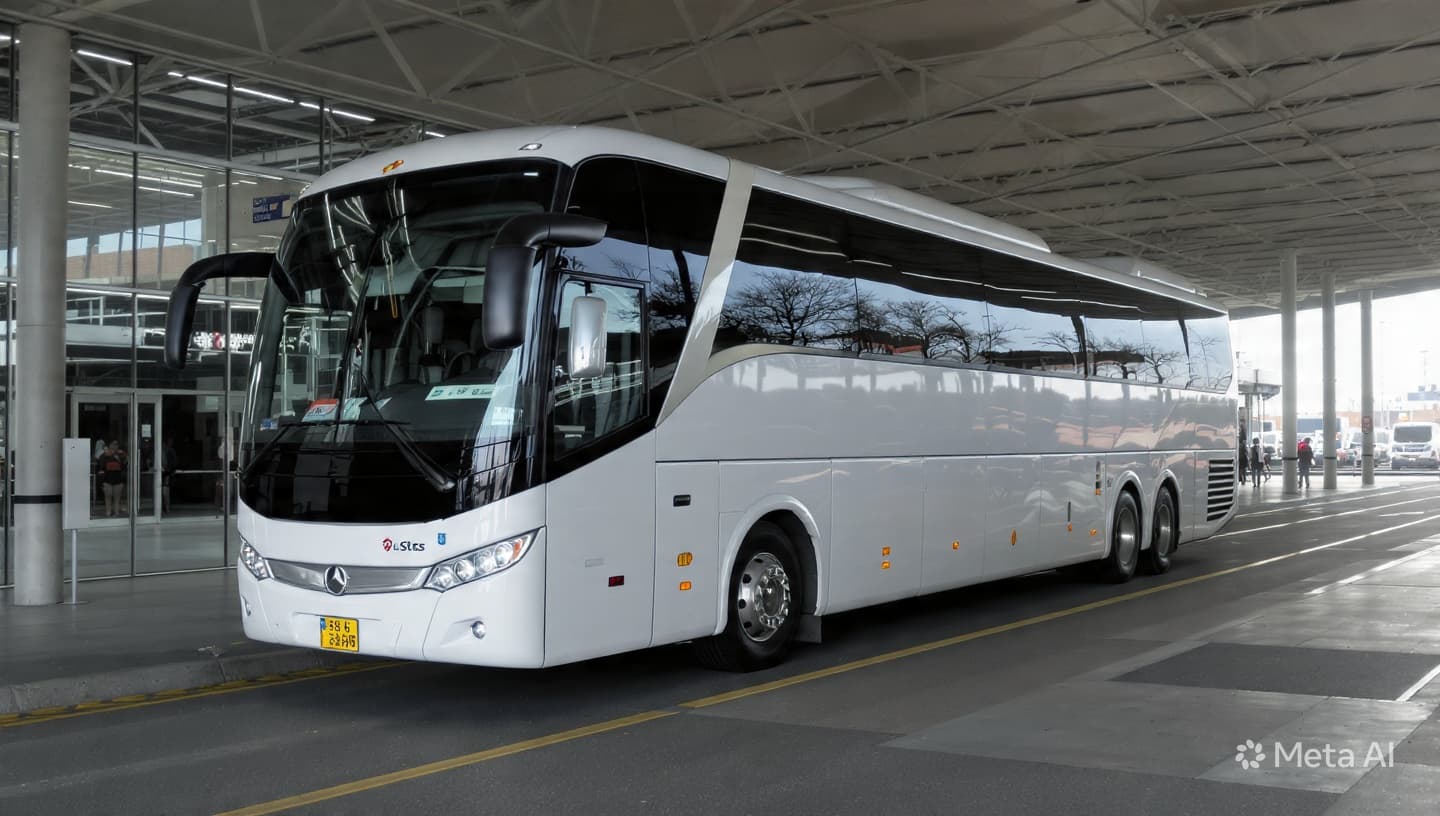
We must also reflect on the role of personal responsibility in navigating these risks. For the international visitor, the advice is consistent: prioritize reputable, well-known transport operators, avoid night travel where possible, and maintain a constant vigilance over your surroundings and belongings. It is a strategy of active, rather than passive, participation in one’s own security.
The beauty of the journey is not lessened by these precautions; rather, it is preserved by them. To travel with a clear understanding of the risks is to travel with a sense of agency. The Pan-American Highway and its branches offer a stunning vista of the country, but they are spaces that must be navigated with an awareness of the realities of the road.
As we consider the future of transit in Panama, the focus must remain on the integration of safety into the very fabric of the network. Until that goal is fully realized, the individual traveler must remain their own best safeguard, navigating the highways with the knowledge that alertness is the most effective tool in the pursuit of a safe and successful journey.
Travel advisories warn that the levels of crime on intercity buses and highways in Panama are high, particularly during nighttime hours. Passengers are encouraged to exercise increased caution, secure their valuables, and avoid using public transportation after dark. Official sources emphasize that the lack of consistent lighting and limited police patrols on certain stretches of the Pan-American Highway necessitate careful planning and the selection of secure, reputable transport services.
Published by Banx Network. This article is part of the Banx decentralized media programme, powered by the BXE token on the XRP Ledger.