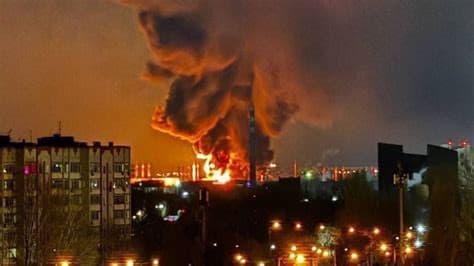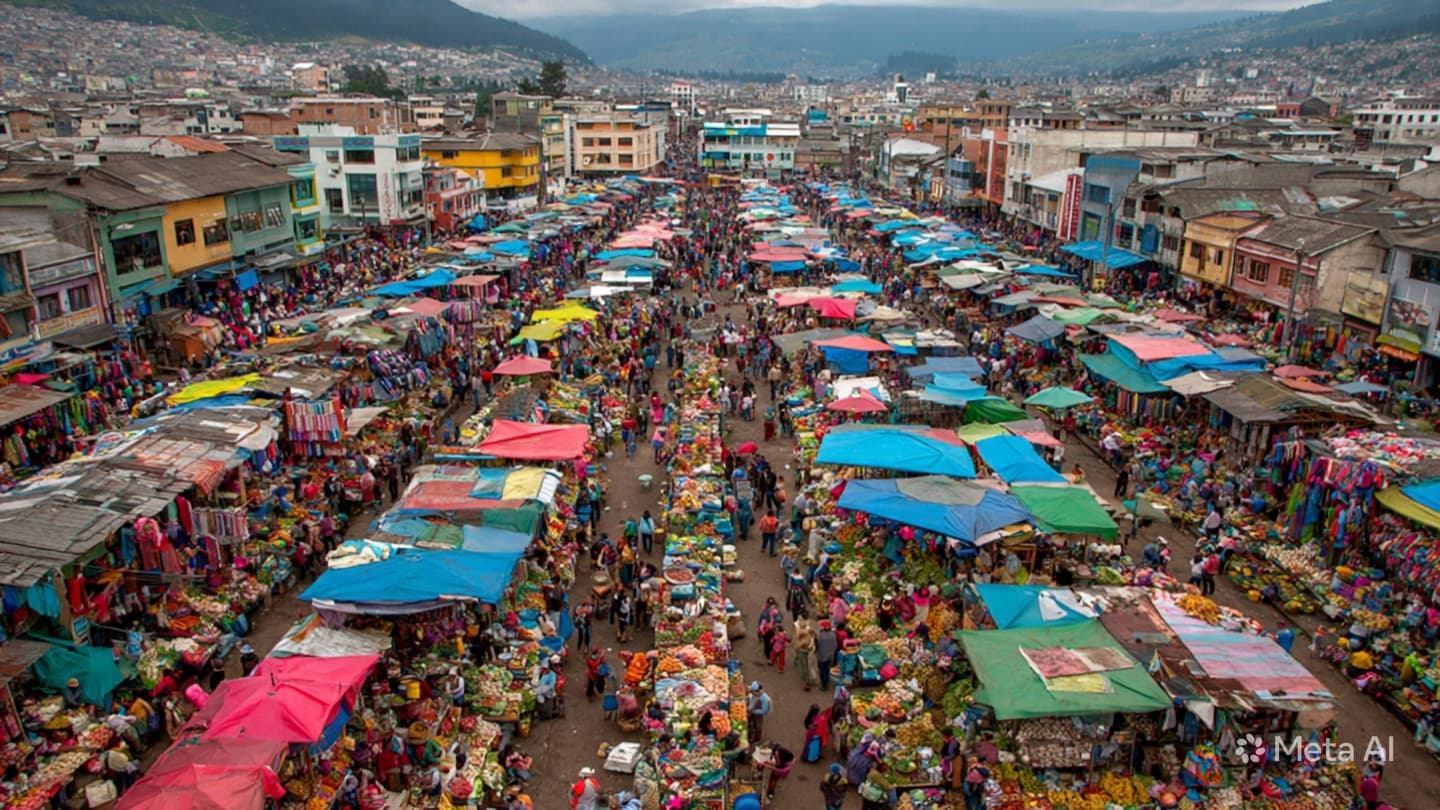
The market district of Pichincha is a sensory tapestry, a vibrant, chaotic convergence of commerce, culture, and human energy. It is the beating heart of the city, a place where the air is thick with the scent of fresh produce, spices, and the persistent, low-frequency hum of trade. Here, the stalls are packed with the necessities of daily life, and the aisles are constantly flowing with the movement of shoppers and vendors. When fire—that sudden, voracious intruder—tears through such a dense, interconnected environment, the disruption is not just physical; it is an assault on the very lifeblood of the district.
The fire that broke out in the market did more than consume inventory; it pierced the sense of security that allows this bustling microcosm to function. For the five individuals who sustained injuries, the afternoon was transformed from a routine moment of work or commerce into a struggle for the most basic necessity: the ability to escape. The chaos of a market fire is uniquely terrifying, as the aisles that usually facilitate movement suddenly become conduits for smoke and panic. It is a moment where the structures of our public life are tested, revealing the hidden vulnerabilities that exist even in the most familiar settings.
Responders worked with a desperate, focused urgency, navigating the maze of stalls and the labyrinthine lanes that define the district. Their effort was a study in precision, a necessary counterweight to the erratic energy of the flames. In the confined, cluttered environment of a market, the risk of escalation is constant, and the firefighters’ commitment to containment is what prevents a localized accident from spiraling into a neighborhood-wide catastrophe. Their work, though performed under the pressure of intense heat and smoke, remains the essential, unseen barrier between a tragedy and a disaster.
In the aftermath, the district sits in a state of stunned, smoky stillness, the scorched stalls serving as grim reminders of the fragility of the market’s equilibrium. The investigations will proceed—scrutinizing wiring, fire codes, and the adherence to safety protocols—but for the vendors and the shoppers, the event will linger as a profound, internal marker. The market is not just a collection of buildings; it is a community, and the fire has left a scar on the collective consciousness, a prompt to reconsider the safety and the structure of the places where we congregate.
Pichincha, as a region, takes pride in the vitality of its urban centers, yet this event serves as a sharp, painful instruction on the imperative of vigilance. We build these vast, complex systems for our convenience and our survival, but we often overlook the layers of risk that accrue over time. The fire is a reminder that the progress of our city is not a static achievement, but a continuous, active negotiation between our aspirations and the safety of our environments. It is a lesson that demands a response, not just in policy, but in the way we interact with the places we rely upon.
As the district begins the long, slow process of recovery, the vendors return, the stalls are repaired, and the commerce begins to flow once more. The resilience of the market is legendary, a testament to the strength of those who have made it their life’s work. Yet, the memory of the fire remains, a quiet, cautionary note in the symphony of the district. It is a reminder of the inherent risks we manage, and the profound, shared responsibility we have to one another in the crowded, essential spaces of our modern urban life.
Ultimately, the event in Pichincha is a meditation on the nature of our public life. We gather in these dense, vibrant spaces, finding commonality and necessity, while accepting the inherent volatility that comes with our proximity. The injury of the five individuals is a moment that prompts us to pause, to look at the stalls and the aisles, and to reflect on the value of each moment and each person. We continue because we must, but we do so with a deeper, more profound awareness of the fragility that defines our shared, moving reality.
Published by Banx Network. This article is part of the Banx decentralized media programme, powered by the BXE token on the XRP Ledger.