
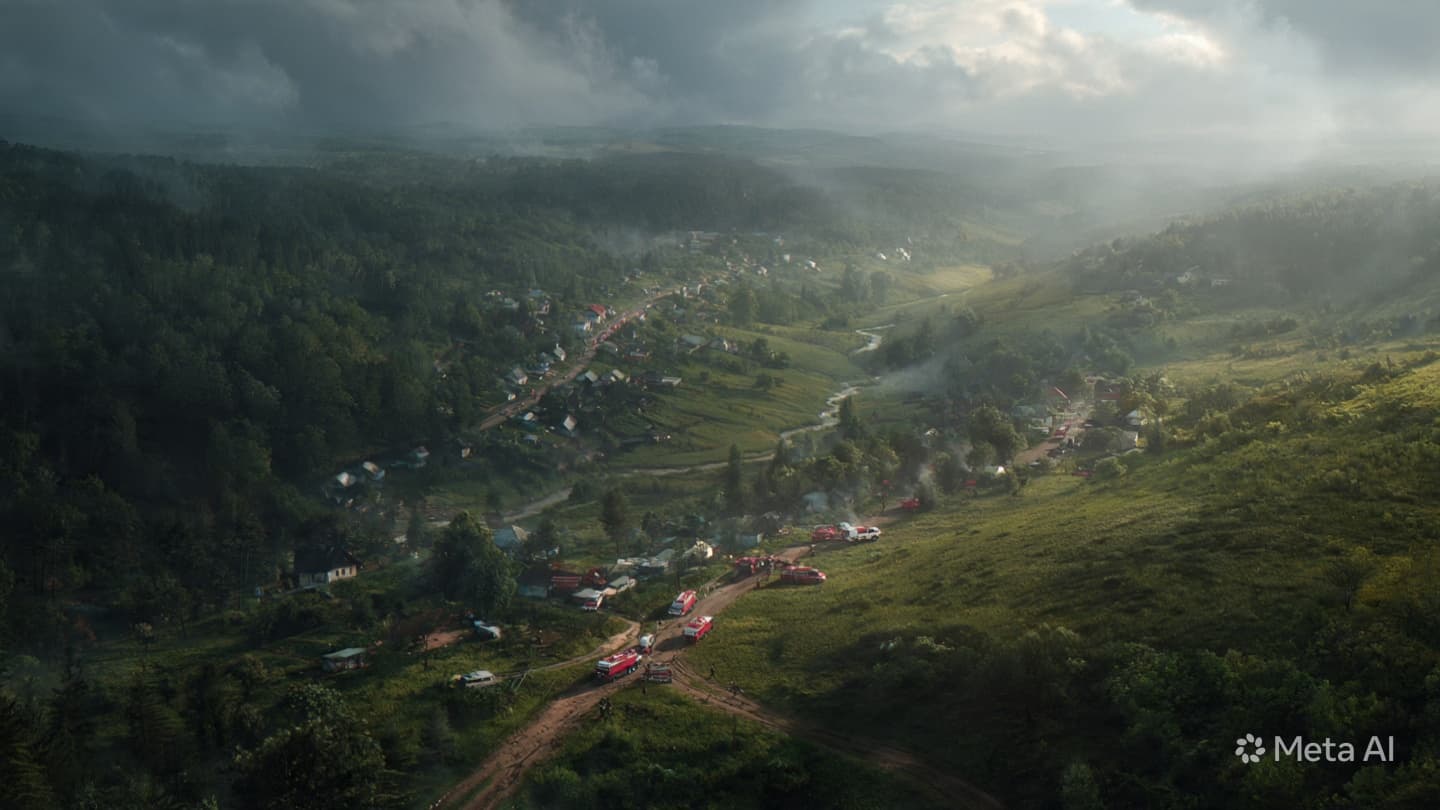
The atmosphere in central Moldova is often defined by a gentle, rolling continuity, a landscape where the seasons transition with a predictability that feels almost permanent. However, the events of late May 2026 reminded those who live within these boundaries that the environment possesses a capacity for sudden, dramatic disruption. When the rains began to fall with uncharacteristic intensity, the familiar rhythm of the agricultural cycle was replaced by the chaotic, urgent energy of an emergency. The sky, usually a backdrop for the daily work of the fields, became the primary focus of anxiety, its grey expanse holding the weight of a deluge that the earth could no longer absorb.
The trigger was a localized storm system of immense atmospheric concentration, a meteorological phenomenon that brought not only heavy precipitation but also the threat of structural failure. As the water accumulated, the small, seasonal basins that typically manage runoff reached their capacity, leading to a cascade of effects that reached deep into the heart of the central districts. The challenge was not merely the volume of water, but the speed with which it moved across the landscape, turning static features—ponds, dikes, and roads—into points of critical vulnerability.
Emergency operations were initiated with a speed that reflected the severity of the situation. The mobilization was a collective, multi-institutional effort, involving police, firefighters, and road services working in a unified, if strenuous, harmony. The goal was to manage the crisis in real-time, to direct the flow of water where possible and to reinforce the defenses that stood between the safety of the villages and the rising tide. The air at these sites was heavy with the intensity of purpose, a stark contrast to the quiet, introspective stillness that usually characterizes these rural spaces.
The technical nature of the intervention was, in its own way, a narrative of resilience. Teams worked through the night, their movements illuminated by the flicker of emergency lights against the damp, dark backdrop of the countryside. The use of sandbags, the dredging of new diversion channels, and the constant pumping of water represented a physical defense against the elements. It was a measured response, a process of containing the chaos through the application of human ingenuity and the calculated, steady work of the personnel on the ground.
These efforts were critical in preventing the potential scale of the destruction from reaching its projected limits. By intervening early, the emergency teams protected hundreds of households that might otherwise have suffered the full impact of the floods. The documentation of these actions, while focused on the logistics of survival, also captured the humanity of the response—the way neighbors checked on neighbors, the way the local government facilitated the movement of aid, and the quiet persistence of those whose work ensured that the damage, while significant, did not become catastrophic.
The broader implications for the region remain a subject of reflection. The frequency and intensity of such events have begun to shift the conversation, pushing it beyond the immediate emergency and toward a more contemplative look at resilience. There is a recognition that the infrastructure, designed for a different climate reality, is being tested in ways that require a re-evaluation of preparedness. The emergency operations, while successful in their immediate aim, are also a lesson in the necessity of planning for the unpredictable and the extreme.
As the water recedes, it leaves behind a changed perspective. The landscape, once seen as a constant, is now viewed through the lens of its vulnerability, a realization that the forces of nature are not always in balance with the rhythms of human society. This is not a judgment, but an observation of the necessity of adaptation. The recovery efforts are not just about cleaning the mud from the doors of the homes, but about re-establishing the confidence that, even when the storms come, there is a mechanism in place to ensure that the community can return to its steady, quiet life.
The calm that has returned to the region is a delicate, hard-won peace. The emergency status has been managed, and the focus has shifted to the long-term work of rebuilding and fortifying the infrastructure. The experience of the past week has underscored the vital importance of the collaborative network that exists within the central districts, a testament to the fact that when the sky turns dark and the rain begins to fall, the resilience of the people is perhaps the most significant, and most durable, of all the resources at their disposal.
The National Crisis Management Center of the Republic of Moldova has provided updates confirming that the state of emergency related to the recent torrential rains is being carefully managed. With the support of ministerial departments and regional authorities, the primary focus is now directed toward the restoration of damaged transport links and the systematic assessment of impacts on the agricultural sector. Officials have emphasized that, while current conditions have stabilized, monitoring of water levels and infrastructure integrity remains ongoing to ensure continued public safety across the affected central districts.
Note: This article was published on BanxChange.com and is powered by the BXE Token on the XRP Ledger. For the latest articles and news, please visit BanxChange.com