The border between Panama and Colombia is a geography of profound complexity. It is a threshold where the promise of transit—for trade, for travel, for hope—is continuously challenged by the shadows of transnational crime. To reflect on this region is to confront the sobering reality of the illicit networks that exploit its dense, rugged terrain. The presence of cartels, armed groups, and trafficking networks is not just a policy concern; it is a structural reality that dictates the security and safety of the entire borderlands.
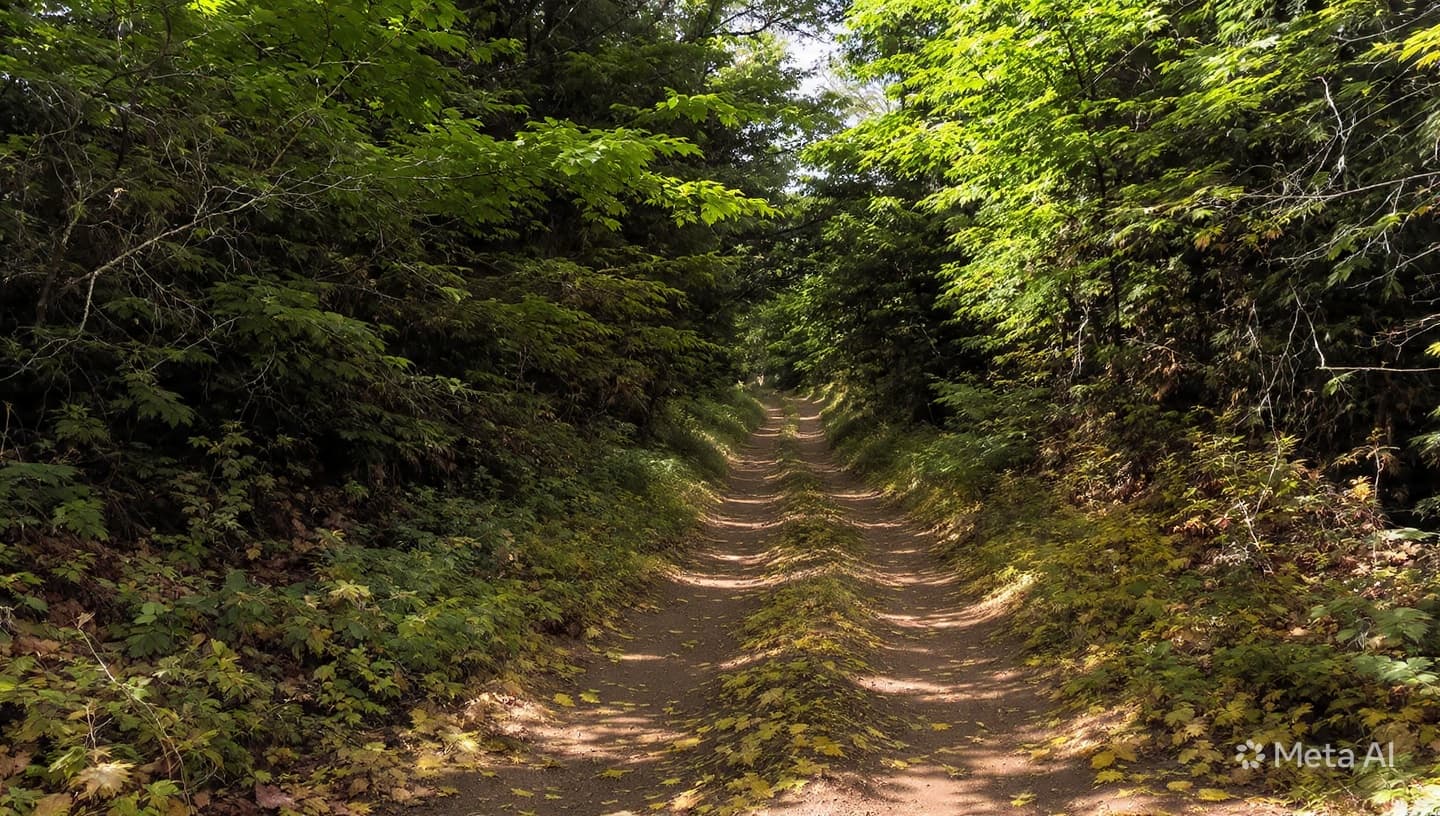
The Darién region, in particular, acts as a bottleneck for these criminal interests. The use of its waterways and dense forest canopy for the movement of narcotics and contraband is a persistent, well-documented issue. This is an editorial reality that complicates the nation's efforts to project authority and maintain order. The border is not merely a line on a map; it is a porous, shifting zone where the contest between the rule of law and the imperatives of criminal profit plays out in real-time.
One contemplates the human element of this instability. The border is a magnet for those caught in the currents of migration and illicit trade, often forcing them into the hands of groups that operate with violence as their primary currency. The existence of these groups creates a ripple effect, impacting the safety of nearby communities and presenting a constant, high-level threat to anyone who ventures into these territories.
We must also reflect on the role of international cooperation in this context. The efforts by Panamanian security forces, often in partnership with regional neighbors, to stem the flow of narcotics and disrupt these organizations are significant, yet the scale of the challenge remains immense. It is a reflection of a global problem—the overproduction of narcotics in the region and the massive demand for illicit goods—that manifests in the specific, difficult topography of this border.
For the observer, the reflection is one of balance. We must recognize the resilience of the local populations who live in the shadow of this volatility and the ongoing commitment of authorities to secure the nation. At the same time, we must maintain a clear-eyed perspective on the risks. The borderlands are not zones of transit for the casual traveler; they are sites of high stakes and high danger that require an unwavering commitment to safety advisories.
As the situation continues to evolve, the focus on the border remains a central pillar of national security. The intelligence gathered, the interdictions made, and the efforts to support the rule of law are essential pieces of a much larger puzzle. It is a reminder that the stability of the nation is intimately connected to the integrity of its frontiers, and that the struggle against criminal influence is a defining feature of the current security landscape.
Official government reports highlight the continued activity of transnational criminal organizations and drug-trafficking groups along the border with Colombia. These groups leverage the remote, forested geography of the Darién to facilitate the movement of illegal goods and migrants. Travelers are strictly advised to avoid all travel to this region, as the risks of encountering violent criminal actors or being caught in illicit operations remain extremely high.
Published by Banx Network. This article is part of the Banx decentralized media programme, powered by the BXE token on the XRP Ledger.