Key Highlights
- Homeownership symbolizes stability and achievement in America.
- Economic factors hinder a return to past housing affordability.
- Demographic trends continue to drive demand despite economic challenges.
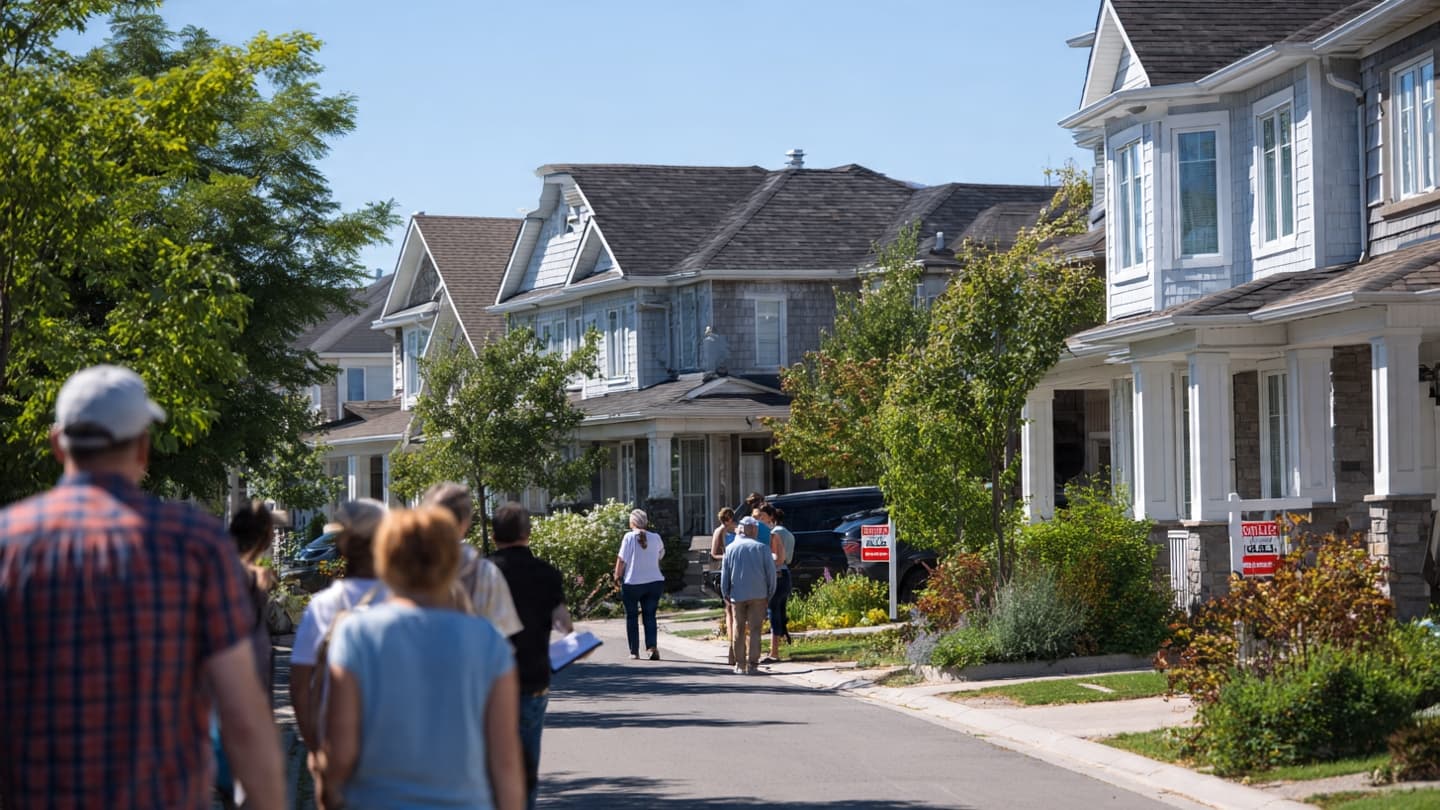
The concept of homeownership has long been a cornerstone of the American Dream, representing not just a physical space but a sense of stability and personal achievement. For many, owning a home is synonymous with success and security. However, as economic conditions shift, this aspiration is becoming increasingly elusive for a significant portion of the population.
Economists are warning that the dream of affordable housing in the United States may not return to the favorable conditions seen in previous decades. Persistent issues such as supply shortages, high construction costs, and demographic shifts are reshaping the housing market in ways that could have long-lasting effects. The current landscape suggests that the challenges facing potential homeowners are more structural than cyclical, indicating a need for comprehensive policy solutions rather than temporary fixes.
Recent analyses highlight that while mortgage rates may experience fluctuations, the underlying issues of limited housing inventory and restrictive zoning laws remain significant barriers to affordability. Experts argue that these challenges cannot be swiftly addressed through interest-rate adjustments alone, as they are deeply rooted in the market's current dynamics.
One of the primary factors contributing to the housing crisis is the failure of housing supply to keep pace with population growth in many metropolitan areas. Following the 2008 financial crisis, years of underbuilding have led to a persistent shortage that continues to affect home prices today. According to industry researchers, this underbuilding has created a backlog of demand that is difficult to overcome without significant changes in policy and development practices.
In addition to supply issues, rising land costs, labor shortages, and increased material expenses have made it more challenging for builders to construct new homes, particularly in the entry-level market where demand remains strongest. These rising costs have a direct impact on affordability, making it difficult for first-time buyers to enter the market.
Demographic trends also play a crucial role in the housing market. As millennials enter their peak homebuying years, demand for housing remains strong, even amid economic uncertainty. This sustained demand places additional pressure on already constrained markets, further complicating the affordability landscape.
While some regional markets have seen a moderation in prices, experts generally do not anticipate a widespread return to the affordability levels experienced in the 1990s or early 2000s. Instead, future improvements in housing affordability are likely to depend on policies that promote increased housing supply and encourage new development. For prospective buyers, this means that navigating the housing market will require flexibility, long-term planning, and careful financial preparation as affordability challenges persist.
In conclusion, the path to affordable housing in America is fraught with challenges that require a multifaceted approach to address. As the landscape continues to evolve, stakeholders must work collaboratively to create solutions that ensure homeownership remains an attainable goal for future generations.
Published by Banx Network. This article is part of the Banx decentralized media programme, powered by the BXE token on the XRP Ledger.