
The world's oceans often act like a vast library of climate information, quietly storing signals that may not reveal their significance until months later. Across the Pacific Ocean, scientists are closely examining one such signal as conditions increasingly suggest the return of El Niño, a climate pattern capable of influencing weather around the globe.
Researchers from international meteorological agencies report that ocean temperatures in parts of the tropical Pacific continue to show signs associated with El Niño development. These observations have prompted renewed attention from governments, scientists, and industries that rely on seasonal climate forecasts.
El Niño is a naturally occurring climate phenomenon characterized by warmer-than-average sea surface temperatures in the central and eastern Pacific Ocean. Although it begins far from many population centers, its influence can extend across continents.
Past El Niño events have been associated with a variety of weather outcomes. Some regions experience heavier rainfall and increased flooding risks, while others may face drought conditions, agricultural stress, or prolonged heat.
Climate scientists emphasize that every El Niño episode is different. The intensity, duration, and geographic impacts can vary considerably depending on atmospheric conditions and interactions with other climate systems.
Agricultural planners are among the groups paying close attention. Seasonal rainfall patterns influence planting schedules, water availability, and crop productivity in many countries.
Emergency management agencies are also monitoring forecasts. Early preparation can help communities respond more effectively if changing weather patterns increase the likelihood of floods, droughts, or other climate-related hazards.
Modern climate monitoring systems combine satellite observations, ocean sensors, and advanced computer models. These tools allow researchers to track evolving conditions with a level of detail that was impossible only a few decades ago.
As scientists continue gathering data, the focus remains on preparedness and understanding. Whether El Niño develops into a moderate or stronger event, the information emerging from the Pacific will help shape climate planning decisions around the world.
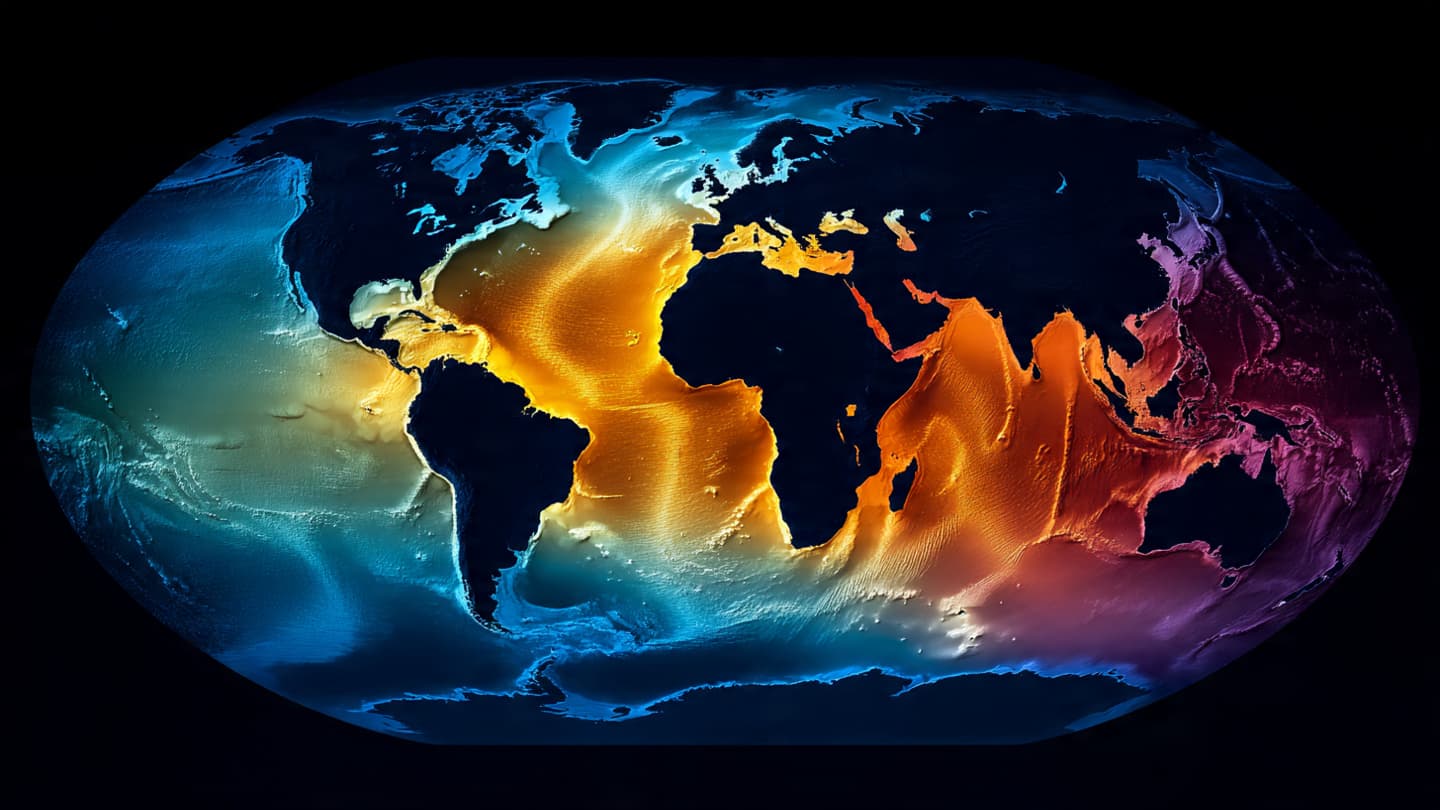
AI Image Disclaimer: The visual materials accompanying this article are AI-generated illustrations created for editorial purposes and do not represent actual satellite imagery.
Sources (Verification Check): World Meteorological Organization, NOAA, Reuters, Science News, Associated Press
Note: This article was published on BanxChange.com and is powered by the BXE Token on the XRP Ledger. For the latest articles and news, please visit BanxChange.com