The oceans often speak quietly. Their signals emerge through shifting temperatures, changing currents, and subtle patterns that gradually influence weather across continents. This year, scientists are once again paying close attention to one of the most influential climate phenomena on Earth: El Niño.
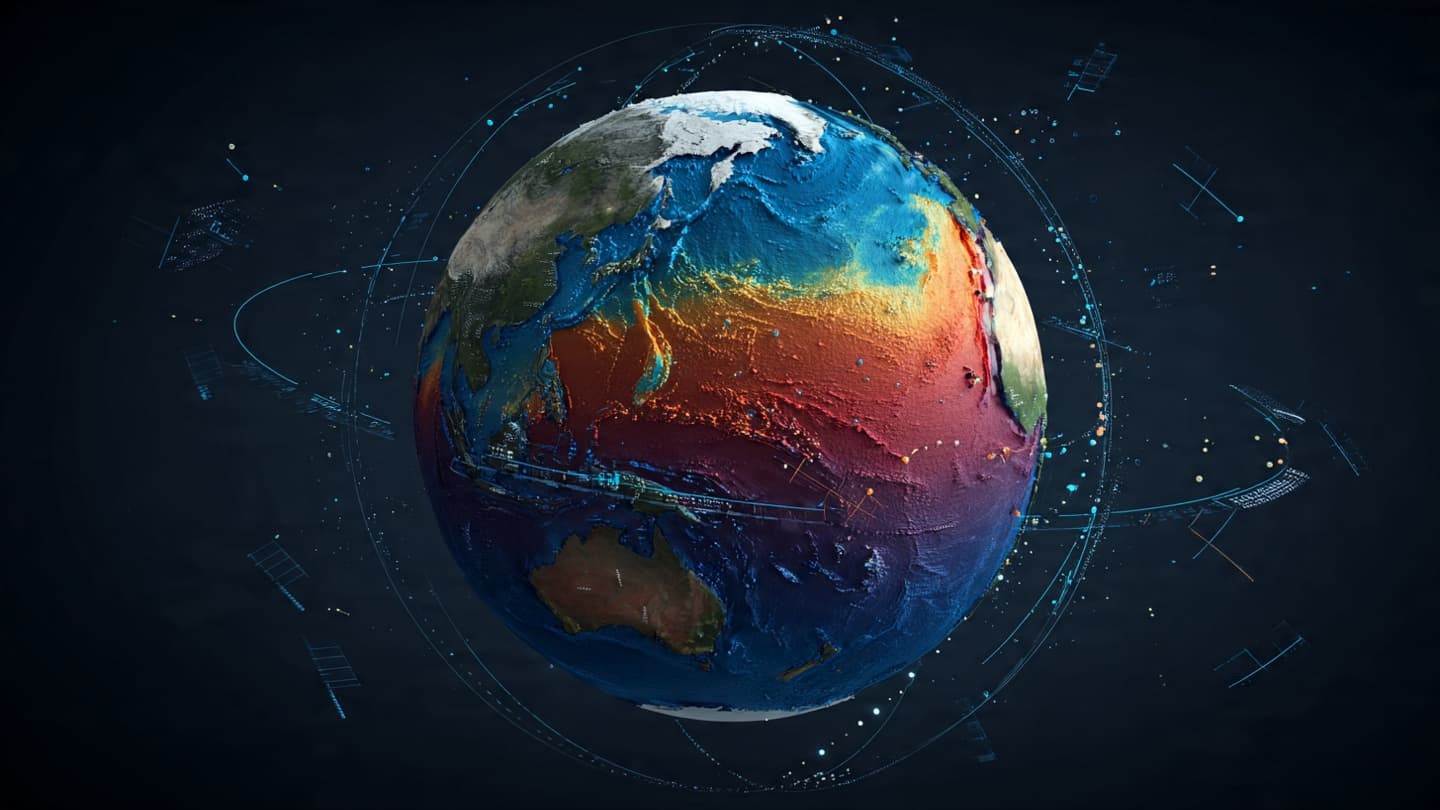
According to the World Meteorological Organization, conditions in the tropical Pacific Ocean indicate a strong likelihood that El Niño will develop during the second half of 2026. Forecast models place the probability at around 80 percent during the June-to-August period.
El Niño occurs when sea surface temperatures in parts of the central and eastern Pacific become warmer than average. Although it begins in one region, its effects can extend across the globe.
Historically, El Niño has been associated with a variety of weather impacts, including increased rainfall in some areas and drought conditions in others. The exact consequences vary depending on geographic location and the strength of the event.
Meteorologists stress that forecasting climate patterns months in advance involves uncertainty. Nevertheless, the current outlook suggests that atmospheric and oceanic indicators are increasingly aligned with El Niño development.
Scientists are particularly interested in how the phenomenon may interact with broader climate trends. Global temperatures have remained elevated in recent years, making seasonal forecasting especially important for governments and industries.
Agriculture, water management, disaster preparedness, and energy planning are among the sectors that closely monitor El Niño updates. Early awareness can help communities prepare for potential weather-related disruptions.
International climate agencies continue to collect data from satellites, ocean buoys, and research networks to refine forecasts. These observations contribute to a clearer understanding of evolving conditions across the Pacific.
As the months progress, researchers will continue tracking the ocean's changing signals. What begins as a shift in distant waters may eventually influence weather patterns experienced by millions of people around the world.
AI Image Disclaimer: Illustrative images associated with this article were created using AI technology and are intended for visual support only.
Sources (Verification Check): World Meteorological Organization (WMO), NOAA, Science News, Reuters, Associated Press
Published by Banx Network. This article is part of the Banx decentralized media programme, powered by the BXE token on the XRP Ledger.