

Key Highlights
- El Niño conditions are expected to intensify hurricane activity in the North Pacific.
- Warmer ocean temperatures provide energy for stronger tropical cyclones.
- Emergency agencies urge coastal communities to prepare for potential storms.
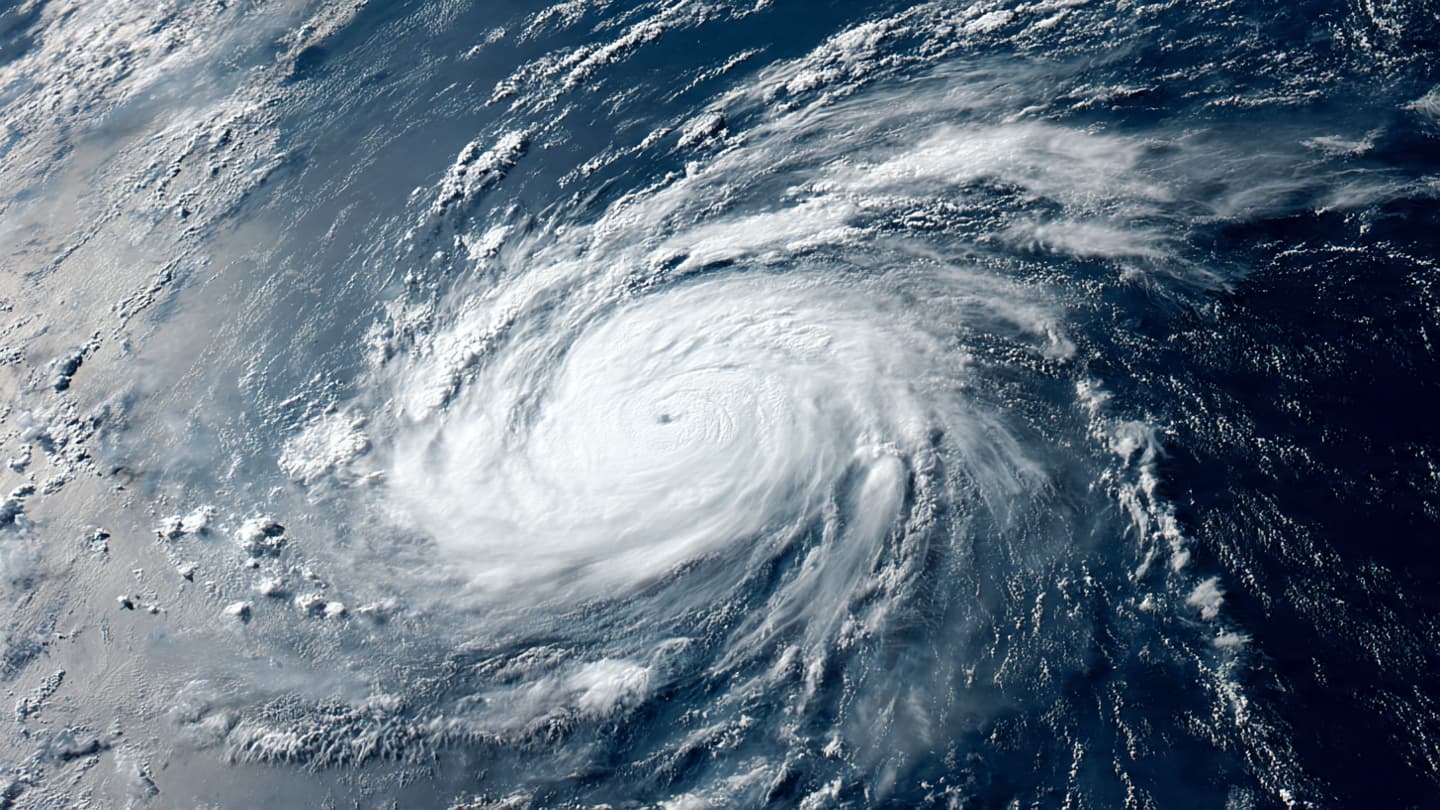
El Niño, a climate phenomenon characterized by warmer-than-average sea surface temperatures in the central and eastern Pacific Ocean, is anticipated to significantly impact hurricane and typhoon activity in the North Pacific this season. Scientists warn that the developing El Niño conditions could lead to a more active and potentially severe storm season, raising alarms for coastal communities across the Pacific basin.
Meteorologists have long understood that El Niño alters atmospheric circulation patterns, which can create favorable conditions for the development of stronger tropical cyclones. The warmer waters associated with El Niño provide additional energy that storms can harness as they organize and strengthen. This year, forecasts indicate that the North Pacific may experience an uptick in storm intensity, echoing patterns observed in previous El Niño years.
As the Pacific region braces for what could be a tumultuous storm season, various forecast agencies are closely monitoring oceanic conditions. Governments and coastal communities are beginning their seasonal preparations, utilizing long-range climate outlooks to inform emergency planning and infrastructure readiness. Countries that are particularly vulnerable to typhoons and hurricanes are advised to enhance public awareness campaigns to ensure that residents are prepared for potential disasters.
Historically, the North Pacific has been home to some of the world's most powerful tropical storms. While past El Niño years have shown a correlation with increased storm intensity, scientists caution that each season is unique. Multiple atmospheric variables, beyond just ocean temperatures, influence storm behavior, making precise predictions challenging.
In addition to the immediate effects of storms, climate researchers are investigating how warming global temperatures may interact with natural climate cycles. While El Niño itself is a recurring phenomenon, some experts suggest that climate change could exacerbate rainfall patterns, increase storm intensity, and amplify the broader environmental impacts associated with severe weather systems.
Coastal communities in Asia, Pacific islands, and parts of the Americas often face heightened risks during active storm seasons. The aftermath of severe storms can lead to flooding, landslides, power outages, and significant infrastructure damage, creating long-term humanitarian and economic challenges. Emergency management agencies are proactively encouraging residents in vulnerable areas to review their evacuation plans, maintain emergency supplies, and stay informed through official weather updates. Early preparation is widely recognized as one of the most effective strategies to mitigate disaster-related harm.
As the Pacific enters another potentially volatile season, scientists continue to observe the intricate interactions between ocean temperatures and atmospheric dynamics. This ongoing research serves as a reminder that even subtle shifts in the sea can have profound implications for millions living along vulnerable coastlines, emphasizing the importance of preparedness and resilience in the face of nature's unpredictability.
Published by Banx Network. This article is part of the Banx decentralized media programme, powered by the BXE token on the XRP Ledger.




