The world's oceans often communicate through subtle signals. A slight shift in temperature, invisible to the eye, can eventually influence weather patterns across continents. This year, one of those signals has drawn global attention as the National Oceanic and Atmospheric Administration, or NOAA, officially confirmed the arrival of a strong El Niño event.
El Niño is a naturally occurring climate phenomenon characterized by unusually warm ocean temperatures in parts of the equatorial Pacific Ocean. Although it begins far from many population centers, its effects can extend across the globe.
Meteorologists expect the phenomenon to influence rainfall patterns, temperature trends, and weather extremes in numerous regions. Some areas may experience drought, while others could face heavier-than-normal precipitation.
Agriculture remains among the sectors most closely monitored. Farmers often depend on predictable seasonal cycles, and significant deviations can affect crop yields, planting schedules, and food supplies.
Water management authorities are also preparing for possible changes. Reservoir levels, irrigation systems, and flood-control infrastructure may require closer attention as weather conditions evolve throughout the year.
Scientists stress that El Niño itself is not unusual. What attracts attention is the projected strength of the current event and the possibility that it may interact with broader climate trends already influencing global temperatures.
Communities across Asia, the Americas, Africa, and Oceania may experience different outcomes depending on local geography and atmospheric conditions. This variability makes regional forecasting especially important.
Advances in climate science have improved forecasting capabilities, giving governments and industries more time to prepare for potential impacts. Early planning can help reduce economic and social disruptions.
As the event develops, scientists will continue monitoring ocean and atmospheric conditions. The months ahead will reveal how strongly this El Niño shapes weather patterns around the world and what lessons can be learned for future climate preparedness.
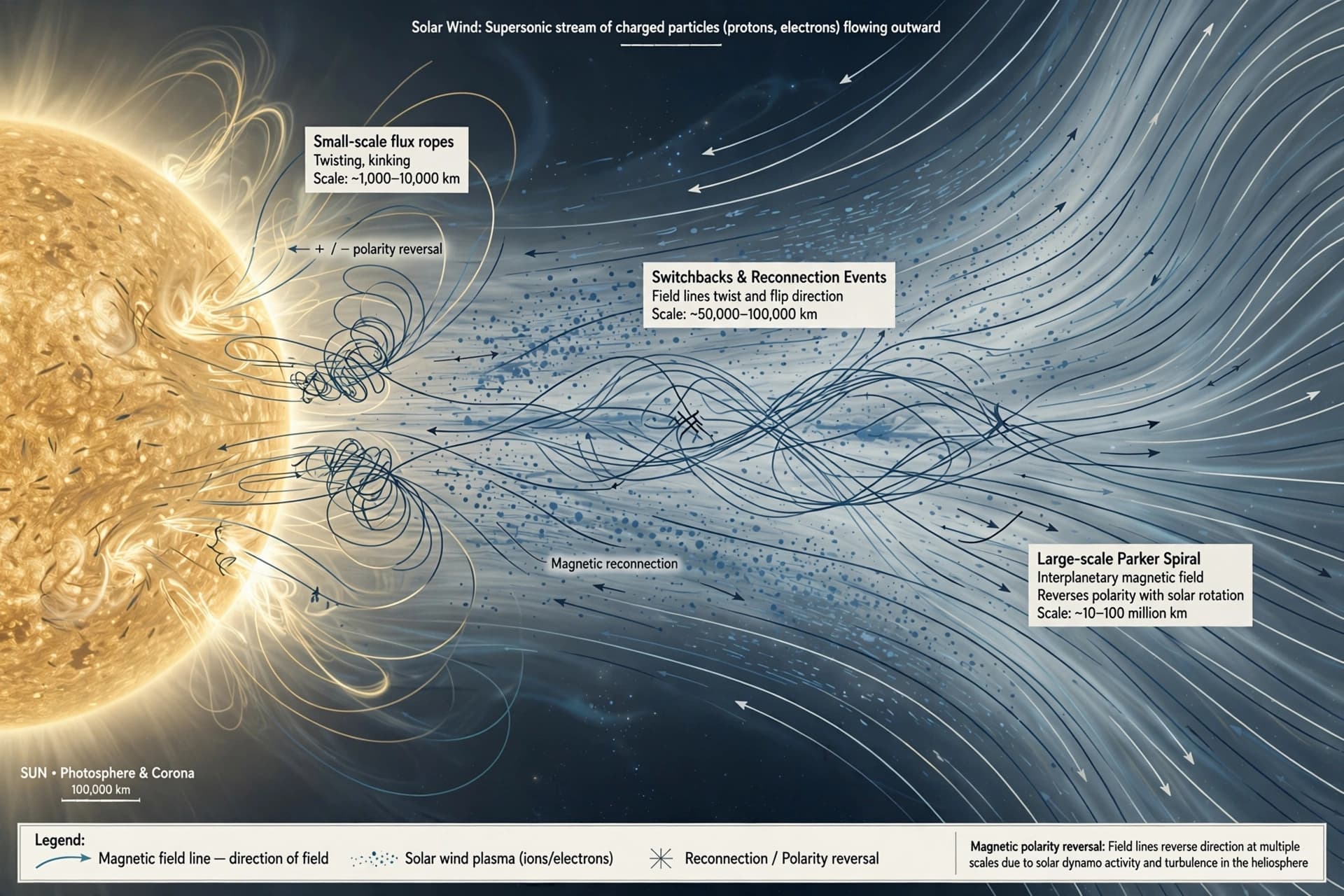
AI Image Disclaimer: The accompanying visual was generated using artificial intelligence to illustrate climate-related concepts discussed in this report.
Sources Verification Check NOAA World Meteorological Organization (WMO) Reuters Associated Press (AP) Live Science
Published by Banx Network. This article is part of the Banx decentralized media programme, powered by the BXE token on the XRP Ledger.