
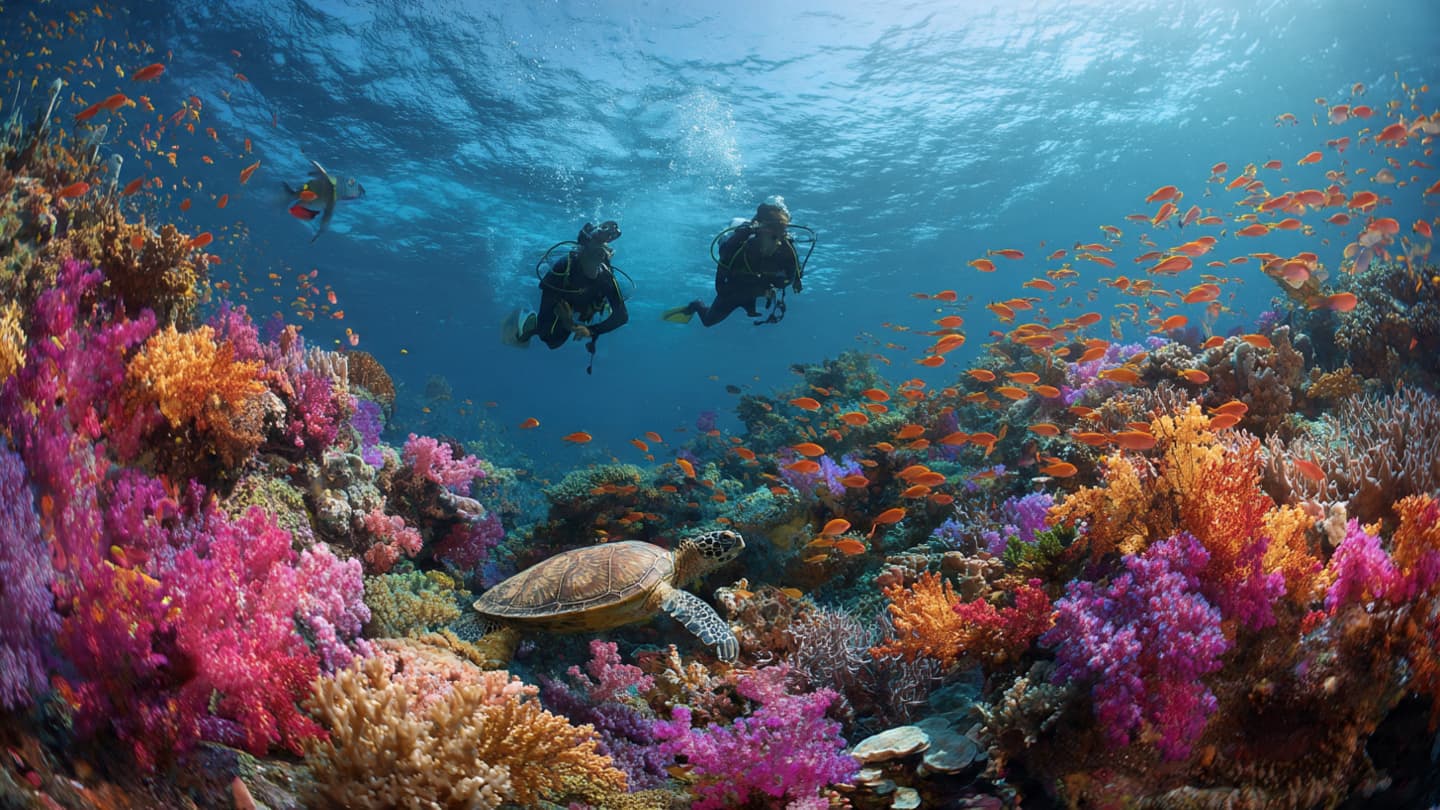
The ocean has long been humanity's oldest highway and its deepest mystery. Across centuries, it has carried explorers, sustained coastal communities, and shaped the climate of the planet itself. Today, as environmental challenges become more visible, international organizations are renewing their efforts to protect the world's oceans and the countless forms of life they support.
Recent global discussions have emphasized that healthy oceans are closely connected to food security, economic development, and environmental stability. Marine ecosystems provide livelihoods for millions of people while helping regulate the Earth's climate by absorbing heat and carbon dioxide from the atmosphere.
International initiatives encourage countries to strengthen marine conservation through protected areas, sustainable fishing practices, and efforts to reduce pollution. Plastic waste, chemical runoff, and illegal fishing remain among the most significant concerns affecting marine environments across different regions.
Scientists continue to document the importance of coral reefs, mangrove forests, and seagrass meadows. These ecosystems provide habitats for diverse marine species while protecting coastlines from storms and erosion. Their preservation has become an important objective for both environmental and economic reasons.
The fishing industry also plays a central role in the conversation. Sustainable management of fish stocks seeks to balance the needs of communities that depend on the sea with the long-term health of marine ecosystems. International cooperation is often necessary because many fish populations migrate across national boundaries.
Climate change adds another layer of complexity. Rising ocean temperatures and increasing acidification can affect marine biodiversity and alter ecosystems that have remained relatively stable for generations. Researchers continue to study these changes to better understand their long-term implications.
Governments, environmental organizations, and scientific institutions are working together to improve data collection and strengthen conservation policies. Advances in satellite monitoring and marine technology provide new opportunities to observe changes and support enforcement efforts.
Public awareness has also grown in recent years. Coastal cleanups, educational programs, and community-led conservation projects demonstrate that protecting marine environments involves both international agreements and local participation.
The renewed focus on ocean conservation reflects a broader understanding that the health of the seas is closely connected to the well-being of people around the world. Protecting marine ecosystems today may help preserve natural resources and environmental balance for future generations.
AI Image Disclaimer: The illustrations accompanying this article are AI-generated for editorial purposes and do not depict specific real-world events.
Sources Verified: United Nations, Reuters, BBC News, National Geographic, Associated Press.
Note: This article was published on BanxChange.com and is powered by the BXE Token on the XRP Ledger. For the latest articles and news, please visit BanxChange.com