The ocean floor, often perceived as a static and silent realm, is in truth a dynamic theater of geological creation. In the waters north of Papua New Guinea, a submarine volcano has awakened, sending plumes of ash and pumice toward the surface in a display of raw natural power that hints at the possible birth of new land.
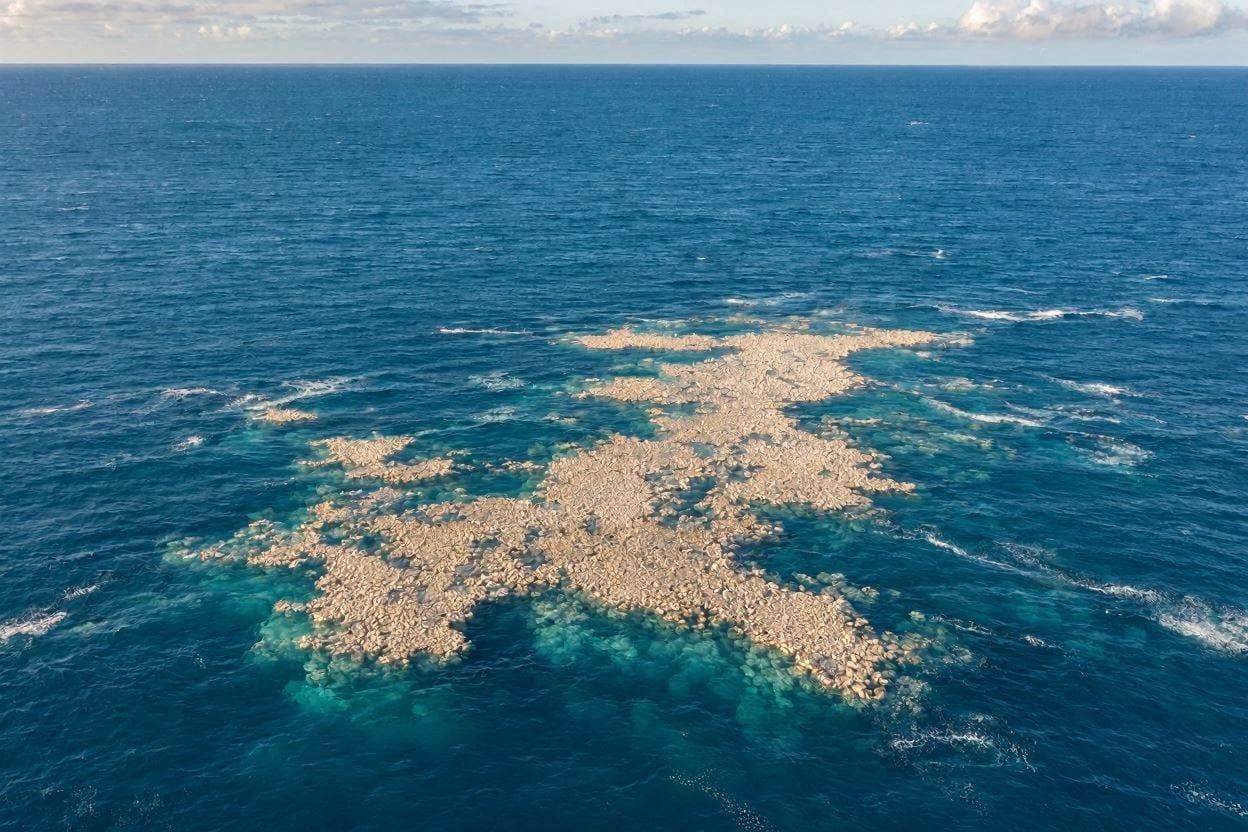
Body: Since early May 2026, the Titan Ridge volcano in the central Bismarck Sea has been erupting, creating a vast field of floating pumice that has drifted toward nearby islands. This rare submarine event is being closely monitored by satellites and marine scientists, who see it as a unique opportunity to study the processes of island formation in real time. The eruption has already covered parts of Manus Island with a layer of volcanic rock, altering the local landscape.
The potential for a new island to emerge depends on the volume of material ejected and the depth of the vent. If the eruption continues with sufficient intensity, the accumulated debris could breach the sea surface, forming a new terrestrial habitat. Such events are infrequent but offer valuable insights into how ecosystems colonize fresh land, starting from barren rock to lush vegetation over decades.
For the residents of Papua New Guinea, the eruption brings both wonder and practical challenges. The floating pumice can disrupt fishing activities and clog boat engines, while ash fall may affect air quality and agriculture. Local authorities have issued advisories to ensure safety, balancing the need for caution with the curiosity that such a natural phenomenon inspires.
Scientific teams are using advanced remote sensing technology to track the growth of the underwater structure. NASA satellites, in particular, have provided detailed imagery of the thermal anomalies and surface discoloration associated with the eruption. This data helps researchers model the eruption’s progression and predict its potential impacts on shipping lanes and coastal communities.
The biological implications are also significant. New islands provide blank slates for ecological succession, allowing scientists to observe how plants, birds, and insects establish themselves in isolation. These natural laboratories help us understand biodiversity and resilience, offering lessons that are relevant to conservation efforts worldwide.
Historically, similar eruptions in the region have created temporary islands that later eroded away, while others became permanent fixtures of the archipelago. The fate of this new landmass will depend on ongoing volcanic activity and the forces of wind and wave. Regardless of its longevity, the event serves as a reminder of the Earth’s continuous reshaping.
Closing: As the eruption continues, the world watches with scientific interest and respectful awe. Whether or not a permanent island forms, the event underscores the dynamic nature of our planet and the intricate relationship between geological forces and human life.
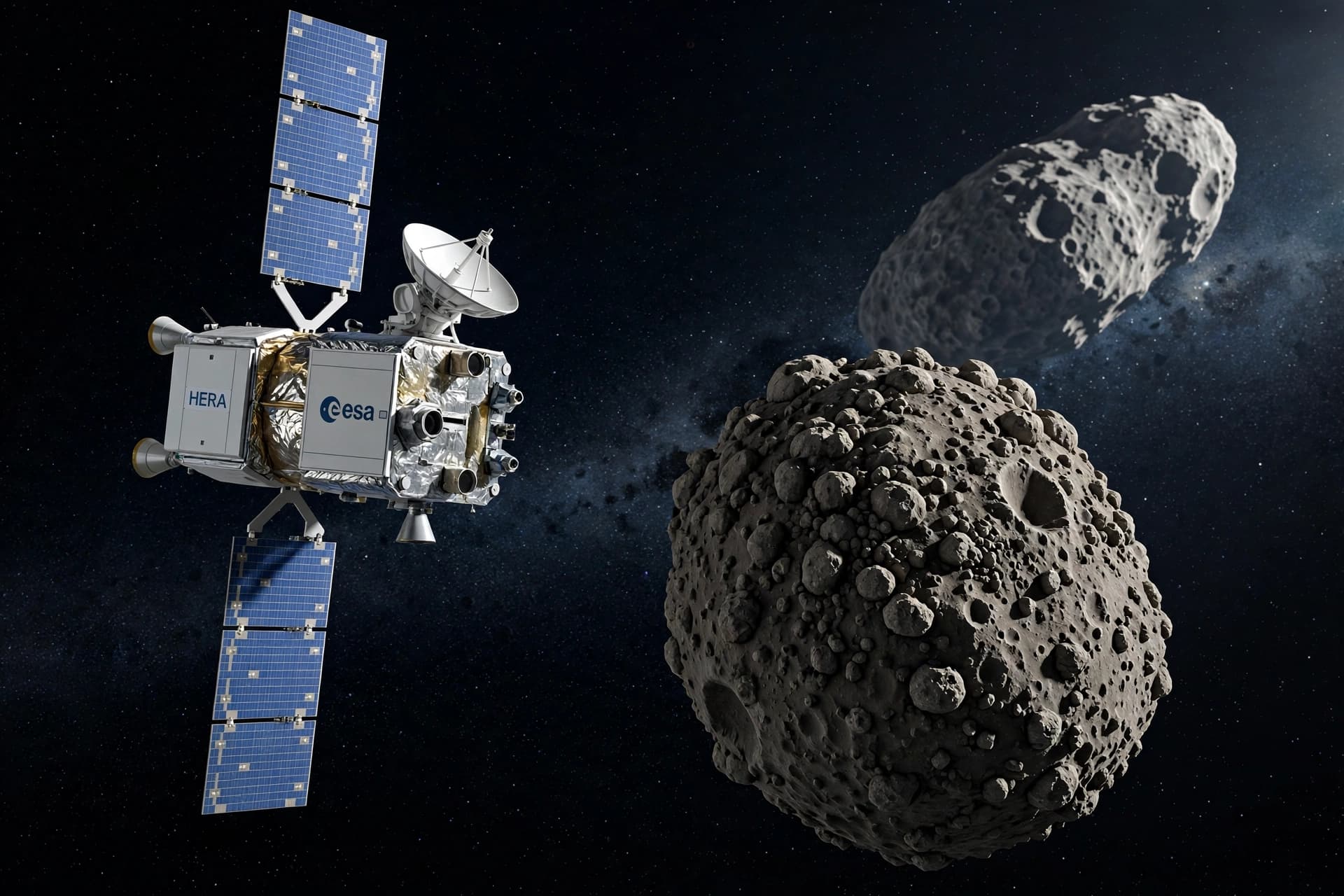
AI Image Disclaimer: The images included in this article are AI-generated visualizations created to complement the narrative and are not actual photographs of the eruption.
Sources: EarthSky ScienceDaily ABC News NASA
Published by Banx Network. This article is part of the Banx decentralized media programme, powered by the BXE token on the XRP Ledger.