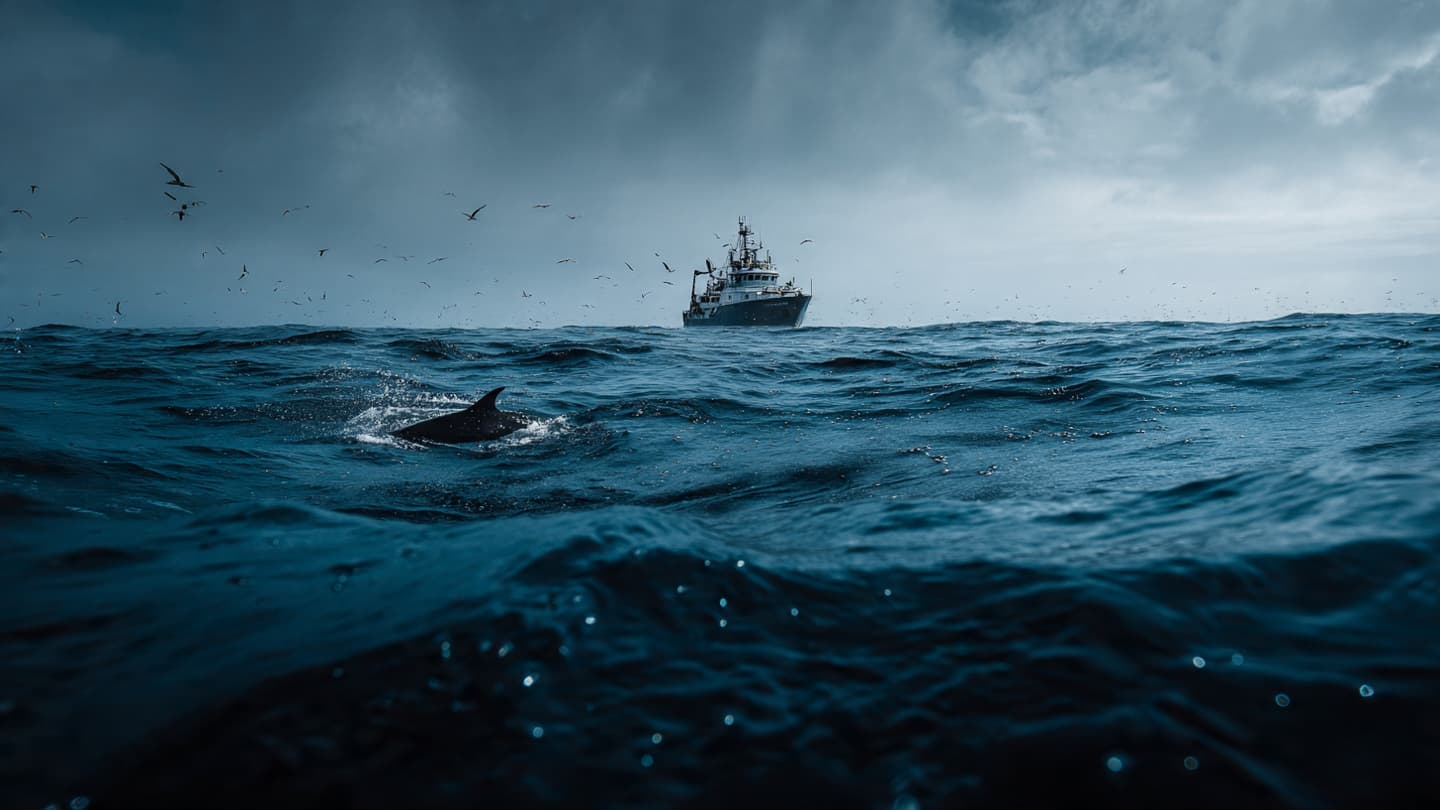
The ocean has always carried more than water. It carries the memory of ancient voyages, the rhythm of changing seasons, and the quiet labor of countless living creatures beneath its surface. In recent years, as environmental challenges have become more visible, the United Nations has once again placed the protection of the world's oceans among its global priorities, reminding nations that the sea connects far more than coastlines.
Covering more than two-thirds of the Earth's surface, the oceans regulate climate, produce a significant share of the world's oxygen, and support diverse ecosystems. Millions of people rely on marine resources for food, transportation, and economic activity. The health of the oceans is therefore closely linked to the well-being of communities across the globe.
The United Nations has encouraged member states to strengthen policies that promote sustainable marine management. These efforts include reducing pollution, protecting biodiversity, supporting sustainable fisheries, and expanding marine protected areas. Such initiatives are aligned with international sustainable development goals.
Marine pollution continues to present significant challenges. Plastic debris, chemical waste, and industrial runoff can damage habitats and threaten wildlife. Scientists have documented the presence of pollution even in some of the most remote parts of the world's oceans, highlighting the global nature of the issue.
Sustainable fishing practices have also become an important focus. Overfishing can disrupt marine ecosystems and affect the livelihoods of coastal communities. International cooperation seeks to balance economic needs with long-term conservation objectives that help preserve fish populations for future generations.
Climate change adds another layer of complexity to ocean conservation. Rising sea temperatures, changing currents, and ocean acidification can influence marine habitats and biodiversity. Researchers continue to study these developments to better understand their long-term implications.
Scientific collaboration remains essential for effective ocean management. Governments, universities, and environmental organizations regularly exchange research and monitoring data. Advances in satellite technology and marine observation systems have improved the ability to track environmental changes.
Public participation also plays a meaningful role. Coastal restoration projects, educational programs, and local conservation efforts demonstrate that protecting marine environments involves communities as well as institutions. Small actions, when combined across regions, can contribute to broader environmental goals.
The renewed attention from the United Nations reflects a growing recognition that healthy oceans support a healthy planet. As international efforts continue, the sea remains both a shared resource and a shared responsibility, inviting cooperation across borders and generations.
AI Image Disclaimer: This article includes an AI-generated illustration created for visual interpretation.
Sources: United Nations, Reuters, BBC News, National Geographic
Published by Banx Network. This article is part of the Banx decentralized media programme, powered by the BXE token on the XRP Ledger.