
The oceans rarely speak in words, yet they tell stories through currents, temperatures, and tides. Covering more than two-thirds of the planet, they have long acted as Earth's great stabilizer, absorbing heat, storing carbon, and supporting ecosystems that sustain countless forms of life. Today, however, scientists warn that this vast blue network is facing increasing pressure.
Recent studies indicate that global oceans continue experiencing record levels of warming. As seawater absorbs excess heat generated by rising global temperatures, marine environments are undergoing changes that extend from shallow coastal zones to the deepest parts of the sea.
One visible consequence is the rise in sea levels. Thermal expansion, combined with melting glaciers and ice sheets, contributes to gradual increases that affect coastal communities around the world. Cities, ports, and low-lying islands are among the areas paying close attention to these developments.
Marine ecosystems are also responding to changing conditions. Coral reefs, often described as the rainforests of the sea, remain vulnerable to prolonged periods of elevated temperatures. Marine species may alter migration routes, feeding patterns, and reproductive cycles as ocean conditions evolve.
The economic implications are substantial. Fisheries, tourism, shipping, and coastal industries all depend on healthy marine environments. Changes in ocean conditions can influence livelihoods and economic activity across multiple sectors.
Researchers emphasize that the oceans continue performing a critical role in regulating Earth's climate. By absorbing large amounts of heat and carbon dioxide, they help moderate some effects of global warming. Yet this service comes at a cost, placing additional stress on marine systems.
International organizations and governments are expanding efforts to monitor ocean health. Satellite observations, research expeditions, and environmental protection initiatives contribute to a growing understanding of marine changes.
While challenges remain significant, scientists note that improved data collection and international cooperation are strengthening the ability to respond. Effective management strategies can help protect ecosystems and enhance resilience in vulnerable regions.
As new findings emerge, one message remains clear: the future of the oceans is closely connected to the future of the planet itself. Understanding and addressing these pressures will remain a central priority for environmental and scientific communities worldwide.
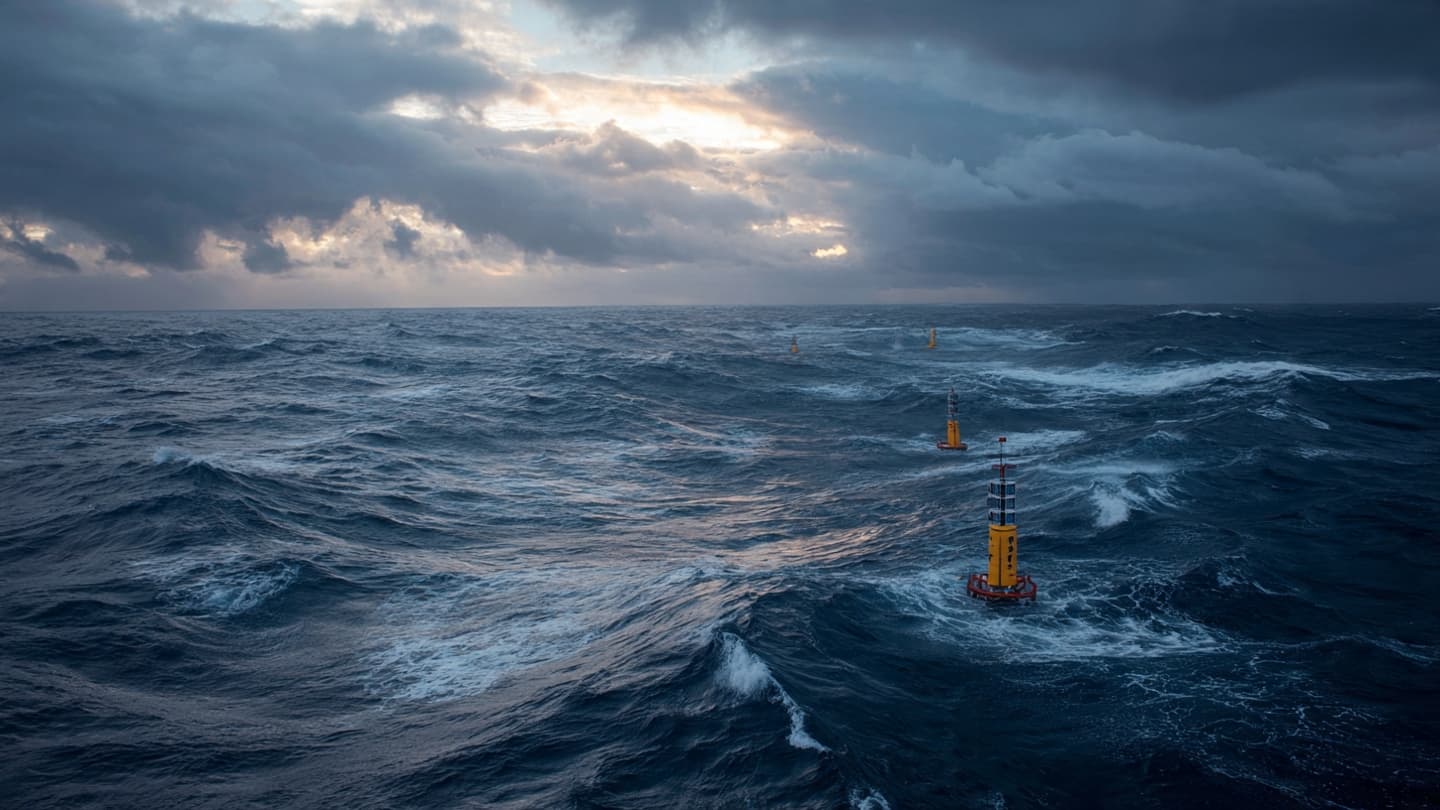
AI Image Disclaimer: This visual was created using artificial intelligence to represent marine and climate-related themes discussed in the article.
Sources Verification Check Reuters NOAA United Nations Environment Programme (UNEP) Science News
Note: This article was published on BanxChange.com and is powered by the BXE Token on the XRP Ledger. For the latest articles and news, please visit BanxChange.com