Space exploration has often resembled a long ocean voyage, where the ability to refuel determines how far travelers can journey beyond familiar shores. In the modern era of private aerospace competition, attention is increasingly turning toward in-space fueling, a technology that could reshape how missions travel to the Moon, Mars, and deeper regions of the solar system.
Recent developments suggest that NASA and Rocket Lab may advance certain aspects of orbital refueling systems ahead of competitors often associated with large-scale space ambitions. The effort reflects a growing understanding that launching fully loaded spacecraft from Earth is both costly and limiting for long-duration missions.
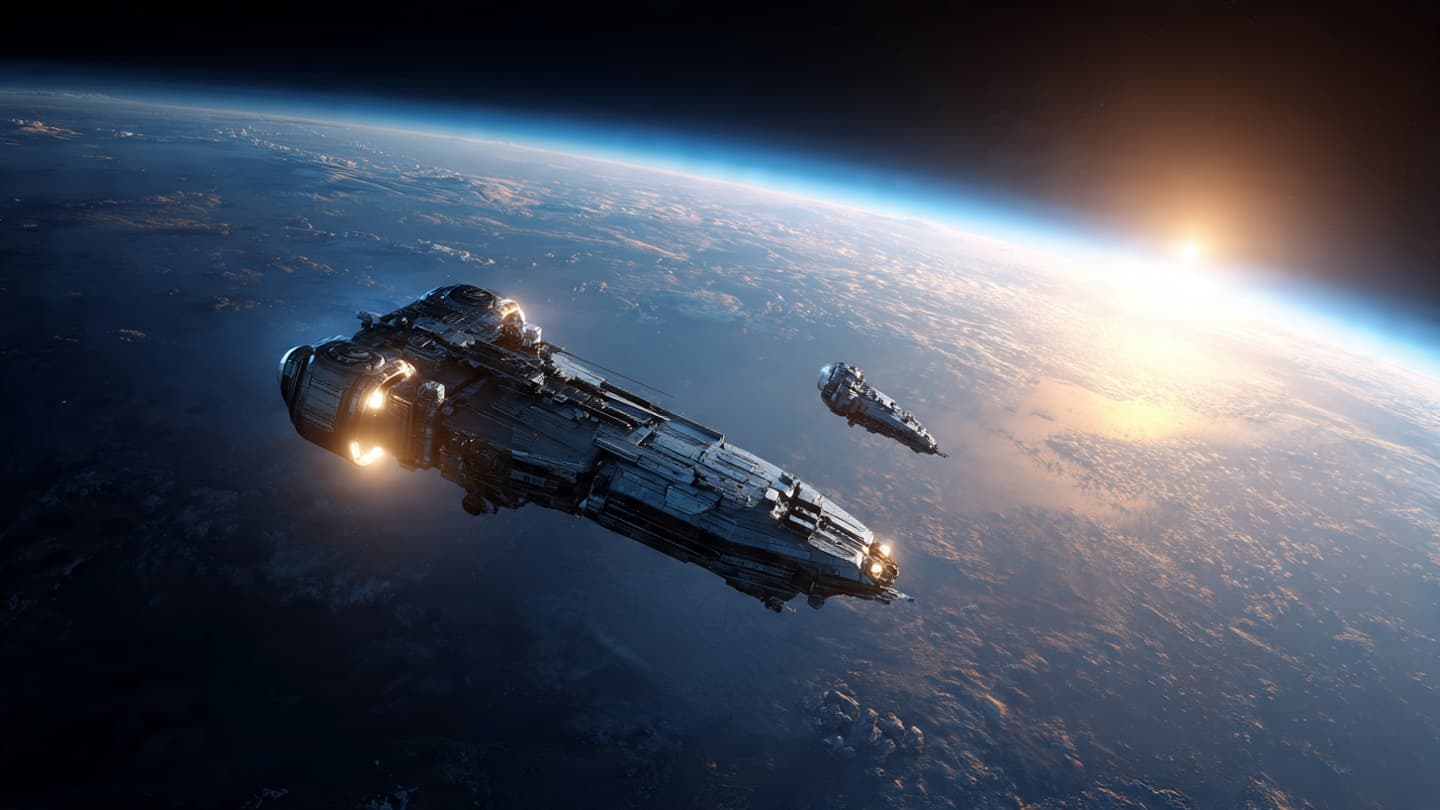
In-space fueling involves transferring propellant between spacecraft while already in orbit. The concept sounds straightforward, yet it requires extraordinary precision. Fuel behaves differently in microgravity, where liquids drift and shift instead of settling neatly into tanks. Engineers must therefore develop systems capable of managing fluids in an environment without ordinary gravity.
Rocket Lab has recently emphasized technologies related to spacecraft servicing, orbital logistics, and satellite maneuverability. NASA, meanwhile, has spent years researching cryogenic fluid transfer and sustainable mission infrastructure for future lunar operations under the Artemis program. Together, these efforts form part of a broader strategy aimed at extending mission endurance beyond low Earth orbit.
The discussion inevitably draws comparisons with SpaceX, whose Starship architecture also relies heavily on orbital refueling concepts. However, industry analysts note that space innovation rarely follows a single straight path. Different organizations often solve separate pieces of the same challenge simultaneously, contributing to a wider technological ecosystem.
Scientists and aerospace engineers believe successful orbital fueling could dramatically reduce launch costs over time. Instead of sending massive fully fueled spacecraft from Earth, smaller launches could assemble and refuel missions in orbit. This approach may eventually support cargo transportation, lunar bases, and even deep-space exploration.
The race toward operational refueling systems also reflects a larger shift in modern spaceflight. Governments are increasingly collaborating with commercial companies, while private firms pursue technologies once limited to national agencies. The boundary between public exploration and commercial infrastructure continues to evolve with each mission milestone.
Despite optimism, substantial engineering obstacles remain. Cryogenic fuels must be kept extremely cold, docking systems must operate flawlessly, and safety standards remain exceptionally strict. Even small miscalculations in orbit can carry major consequences for expensive missions and delicate spacecraft.
Still, the momentum surrounding orbital fueling demonstrates how rapidly space exploration is changing. What once belonged largely to science fiction is steadily becoming part of practical engineering discussions, carried forward by laboratories, launchpads, and quiet calculations performed far from public view.
AI Image Disclaimer: Certain illustrations connected to this report were created with AI-assisted imaging technology.
Sources: NASA, Ars Technica, SpaceNews, Space.com
Published by Banx Network. This article is part of the Banx decentralized media programme, powered by the BXE token on the XRP Ledger.