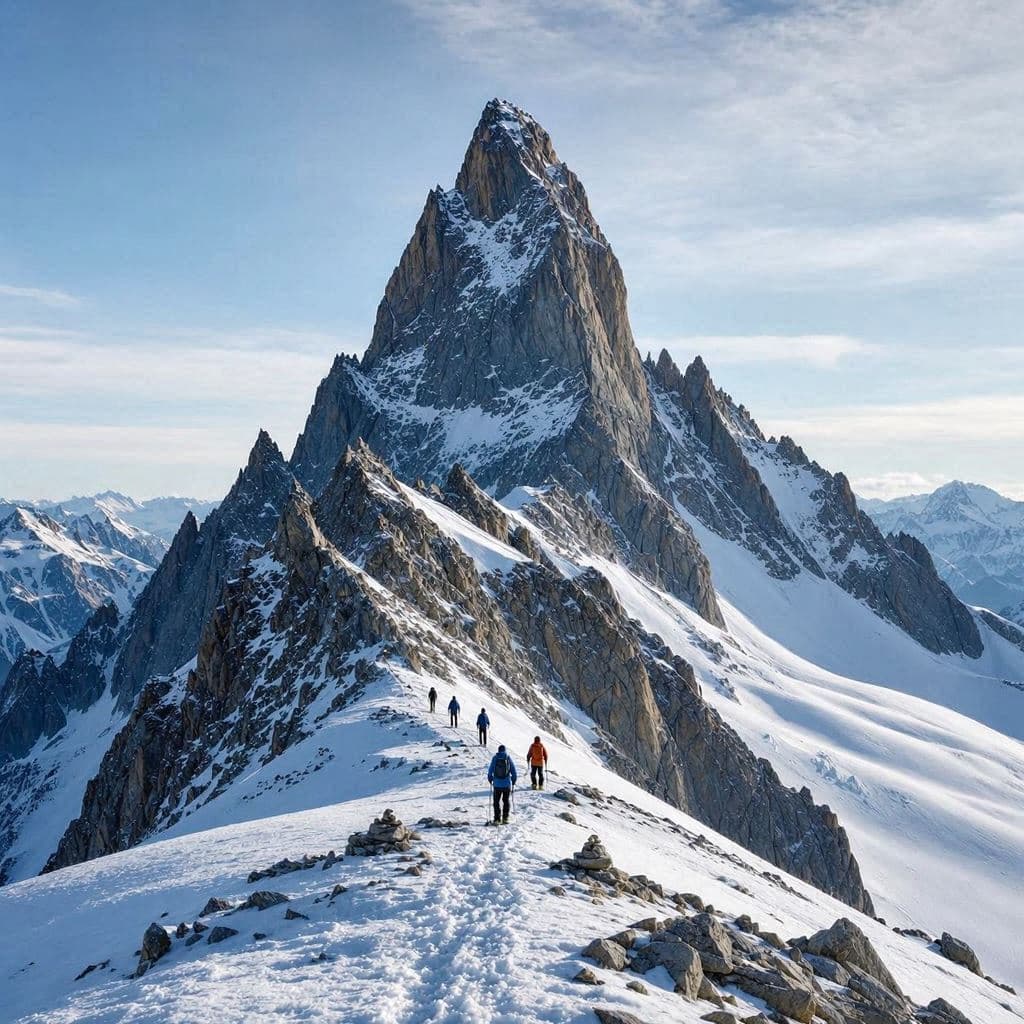
The mountains have always demanded a price for their beauty, a toll paid in breath and bone by those who dare to scale their heights. In the Karakoram range of Pakistan, where the air is thin and the silence profound, that price was exacted once more. Nirmal Purja, the Nepali mountaineer who captivated the world with his record-breaking speed ascents, has perished in an avalanche, along with nine other climbers. The news casts a long shadow over the climbing community, reminding us that even the most skilled among us are subject to the whims of nature’s raw power.
Body: The incident occurred on a remote peak during a commercial expedition, a venture that promised adventure but delivered tragedy. According to the expedition company, a sudden slab of snow broke loose, sweeping the group away before rescue teams could reach them. The sheer force of the avalanche left little chance for survival, turning a moment of triumph into one of profound loss. The identities of the other nine victims are being confirmed, each representing a unique story of ambition and courage.
Purja was not just a climber; he was a symbol of human potential. His "Project Possible," which saw him summit all 14 of the world’s 8,000-meter peaks in record time, inspired thousands to look up and dream bigger. He brought visibility to the Sherpa and high-altitude porter community, advocating for their recognition and fair treatment. His death is felt not only as a personal loss to his family and friends but as a blow to the global narrative of mountaineering excellence.
The risks of high-altitude climbing are well-known, yet they do not diminish the allure of the summit. Climate change is altering the stability of glaciers and snowpacks, making previously predictable routes more hazardous. Experts note that warming temperatures can weaken the bonds between snow layers, increasing the likelihood of avalanches. This tragic event underscores the evolving dangers faced by modern expeditions in a changing environment.
The climbing community has responded with an outpouring of grief and tribute. Social media platforms are filled with memories of Purja’s smile, his resilience, and his unwavering spirit. Fellow climbers share stories of his generosity and mentorship, highlighting the human side of a man often defined by his physical feats. These tributes serve as a collective mourning, binding strangers together in shared sorrow.
For the families of the victims, the pain is immeasurable. They are left to grapple with the sudden absence of loved ones who pursued their passions with intensity. Support networks are mobilizing to provide counseling and logistical assistance, helping them navigate the difficult days ahead. The tragedy highlights the need for better safety protocols and emergency response capabilities in remote regions.
Expedition companies are reviewing their operations, questioning whether current measures are sufficient to mitigate such risks. While no amount of preparation can fully guard against nature’s unpredictability, there is a growing call for stricter regulations and more transparent risk assessments. The industry faces a moment of reflection, balancing the commercial appeal of adventure with the moral imperative of safety.
Nirmal Purja’s legacy will endure, not just in the records he set but in the inspiration he provided. As the mountains remain silent, the world remembers a man who reached for the sky and taught others to do the same. His passing is a solemn reminder of the fragility of life in the face of eternal stone and ice.
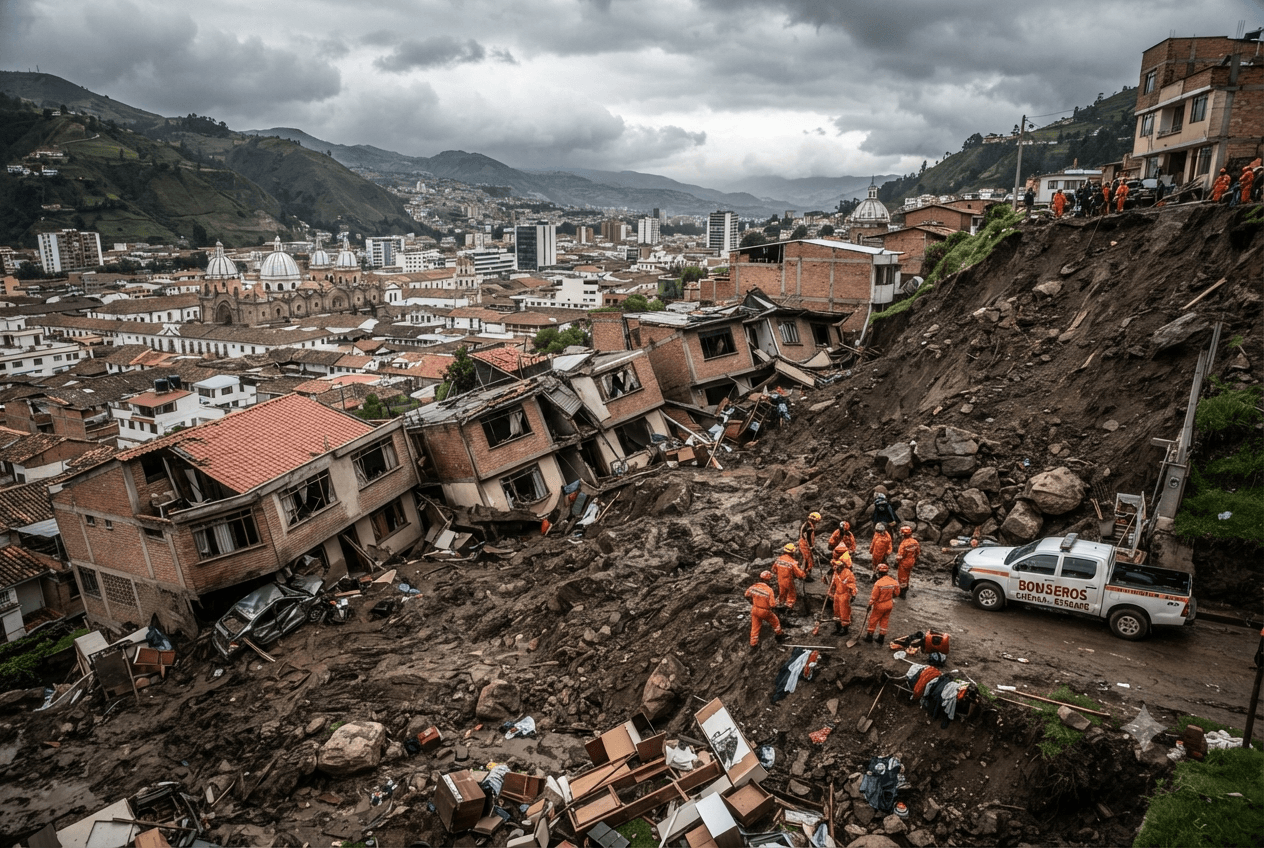
AI Image Disclaimer: The visuals accompanying this article are AI-generated illustrations designed to represent the themes of mountaineering and memorial tribute.
Sources: BBC News, The Guardian, Al Jazeera, Outside Online
Note: This article was published on BanxChange.com and is powered by the BXE Token on the XRP Ledger. For the latest articles and news, please visit BanxChange.com