Every generation leaves footprints somewhere. Some are found in cities, some in laboratories, and some on distant frontiers. More than half a century after humanity first walked on the Moon, NASA is preparing for another historic chapter through the Artemis program.
The agency recently revealed the astronauts selected for Artemis III, a mission intended to return humans to the lunar surface. The announcement marks a significant milestone in one of the most ambitious space exploration efforts of the modern era.
Artemis III is designed to build upon earlier missions that tested spacecraft systems, launch capabilities, and operational procedures. Together, these missions form part of a broader strategy aimed at establishing a sustainable human presence beyond Earth.
The selected crew brings together extensive experience from military aviation, engineering, scientific research, and previous spaceflight operations. Such expertise is considered essential for a mission involving complex lunar activities.
Unlike the Apollo era, Artemis is expected to emphasize long-term exploration. NASA and its international partners envision future lunar missions supporting scientific investigations, technology development, and preparation for eventual journeys to Mars.
The Moon remains an attractive destination for researchers. Lunar geology preserves information about the early history of the solar system, offering opportunities to answer questions that cannot easily be addressed on Earth.
International cooperation also plays a major role. Space agencies from several countries contribute technology, scientific instruments, and operational support, reflecting the increasingly collaborative nature of space exploration.
Private industry has become another important participant. Commercial companies are developing transportation systems, lunar landers, and infrastructure intended to support future missions beyond low-Earth orbit.
As preparations continue, Artemis III represents more than a return to a familiar destination. It signals a broader effort to expand humanity's presence in space while pursuing new scientific and technological achievements.
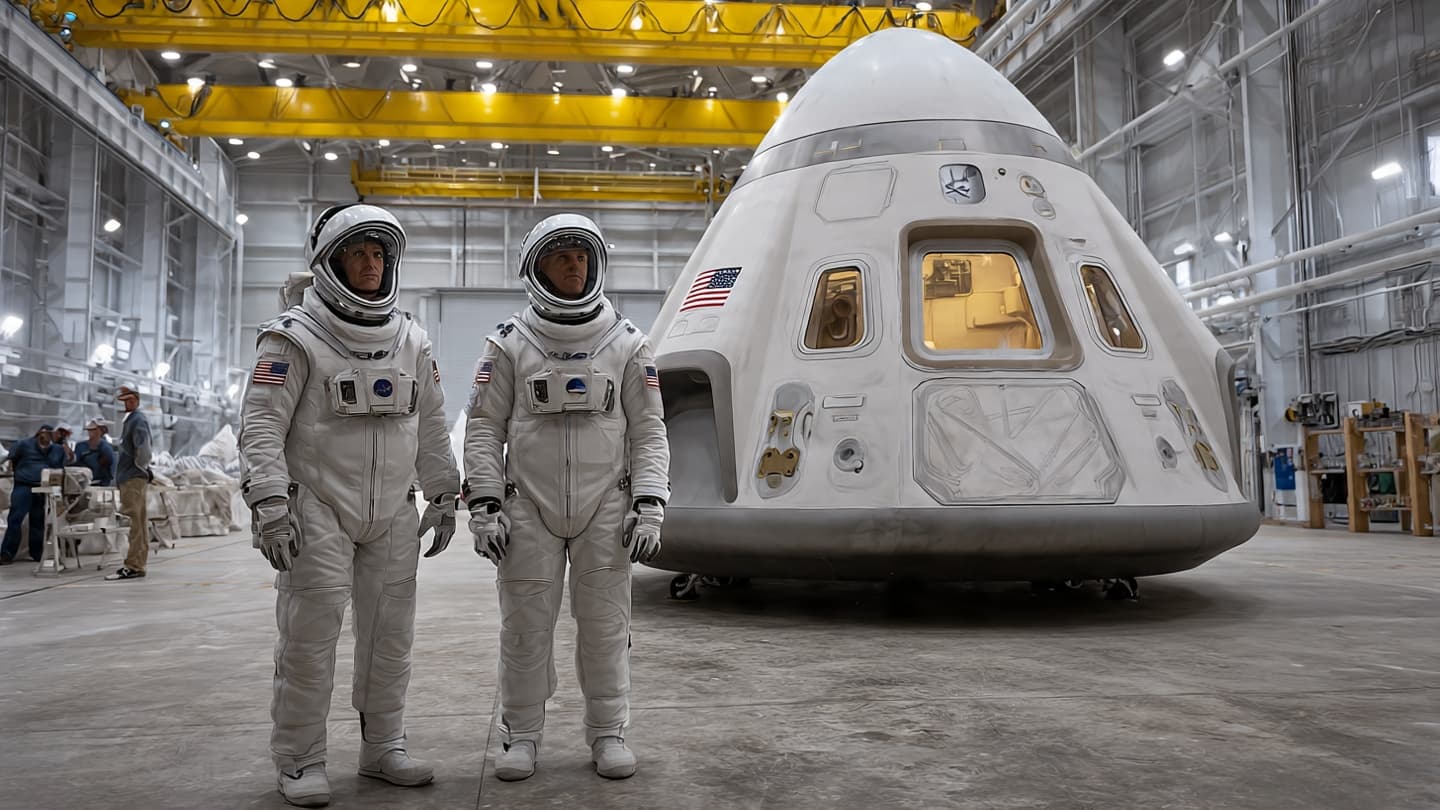
AI Image Disclaimer: The visual accompanying this article was created with AI technology and serves as a conceptual representation of the mission.
Sources Verification Check NASA Associated Press (AP) Space.com European Space Agency (ESA) Live Science
Published by Banx Network. This article is part of the Banx decentralized media programme, powered by the BXE token on the XRP Ledger.