For generations, astronomers studied the night sky as a vast and relatively undisturbed window into the universe. Today, however, Earth’s orbit is becoming increasingly crowded with satellites designed for communication, navigation, and internet connectivity. Scientists are now warning that the growing number of orbital objects may begin interfering more seriously with astronomical observation and space research.
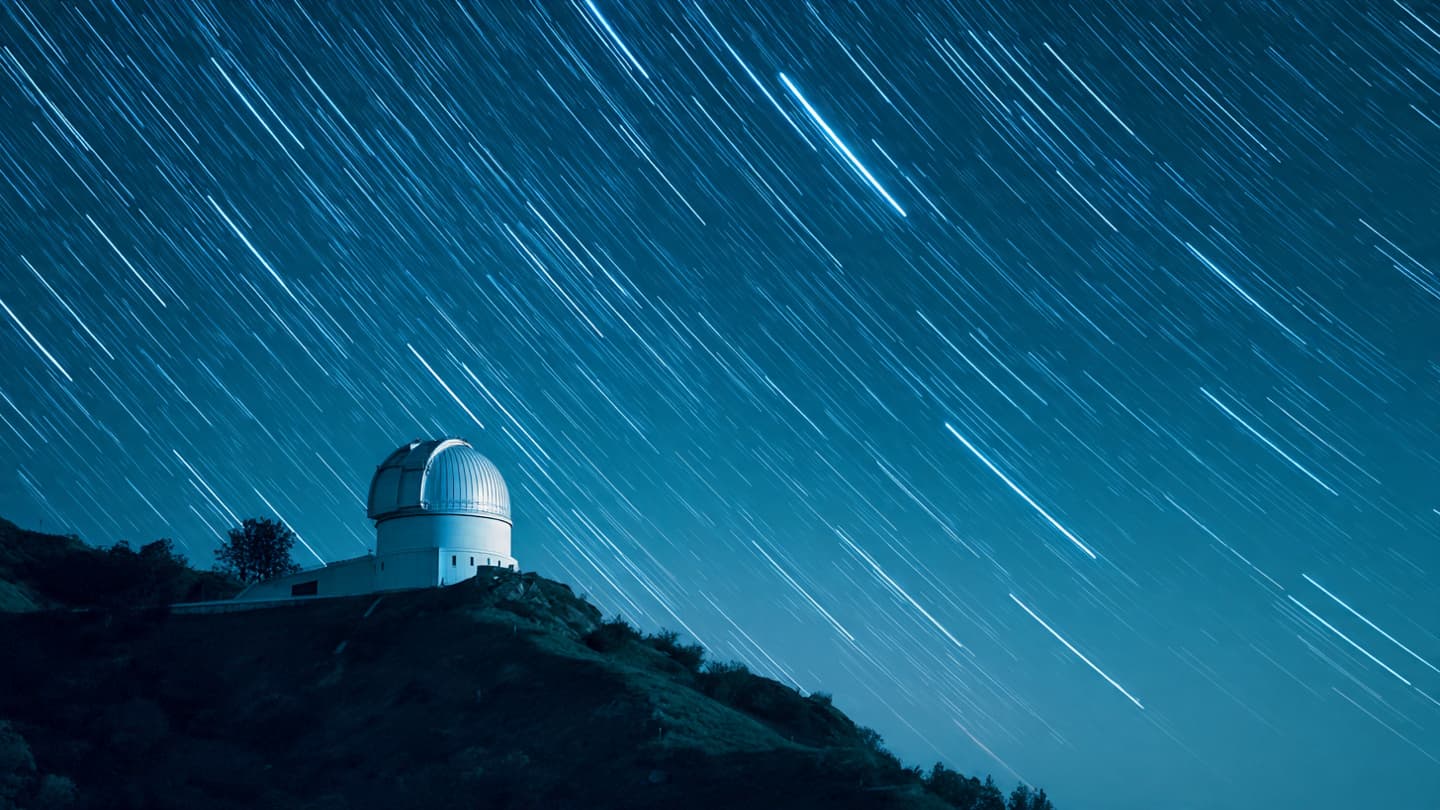
Recent studies suggest that satellite trails are appearing in a rising percentage of telescope images, particularly during long-exposure observations used to study distant galaxies and faint cosmic structures. These streaks of reflected light can reduce image quality and complicate scientific analysis.
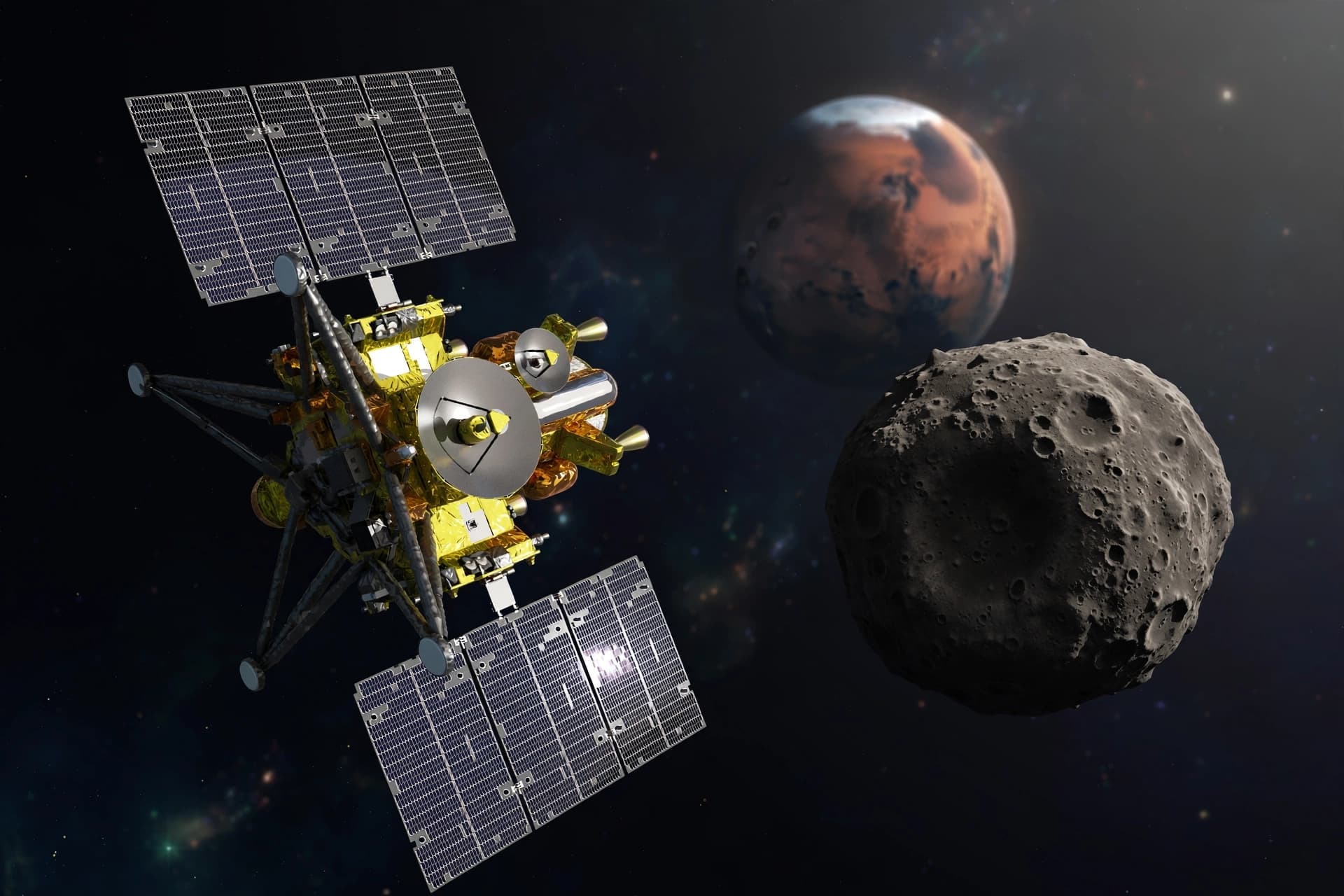
The rapid expansion of commercial satellite constellations has transformed low Earth orbit over the past decade. Thousands of satellites have already been launched, with many more planned as companies compete to provide global internet coverage and advanced communication networks.
Astronomers emphasize that the issue extends beyond visible light pollution. Satellites may also interfere with radio astronomy, where researchers study faint cosmic signals originating from deep space. Radio interference can affect observations involving black holes, pulsars, and the early universe.
Space agencies and private companies have begun discussing mitigation strategies, including darker satellite coatings, orbital adjustments, and improved coordination with observatories. Some satellite operators have already experimented with reducing brightness to minimize visibility from Earth.
The debate reflects a broader challenge involving the balance between technological progress and scientific preservation. Satellite systems provide major benefits for communication, disaster response, navigation, and remote connectivity, particularly in underserved regions around the world.
At the same time, scientists warn that preserving access to clear astronomical observation remains essential for long-term research. Telescopes studying distant galaxies, planetary systems, and cosmic background radiation depend on stable observational conditions increasingly affected by orbital congestion.
International organizations have also expressed concern regarding space sustainability more broadly. Beyond light pollution, growing satellite numbers increase risks involving orbital debris, collision hazards, and long-term management of Earth’s near-space environment.
As humanity continues expanding technological infrastructure beyond the atmosphere, the discussion highlights how even scientific progress can create unexpected consequences. The night sky, once shaped primarily by nature alone, is gradually becoming influenced by human activity on a planetary scale.
AI Image Disclaimer: Some accompanying illustrations are AI-generated visualizations inspired by modern satellite and astronomy research.
Sources ArXiv Reuters ScienceDaily
Published by Banx Network. This article is part of the Banx decentralized media programme, powered by the BXE token on the XRP Ledger.