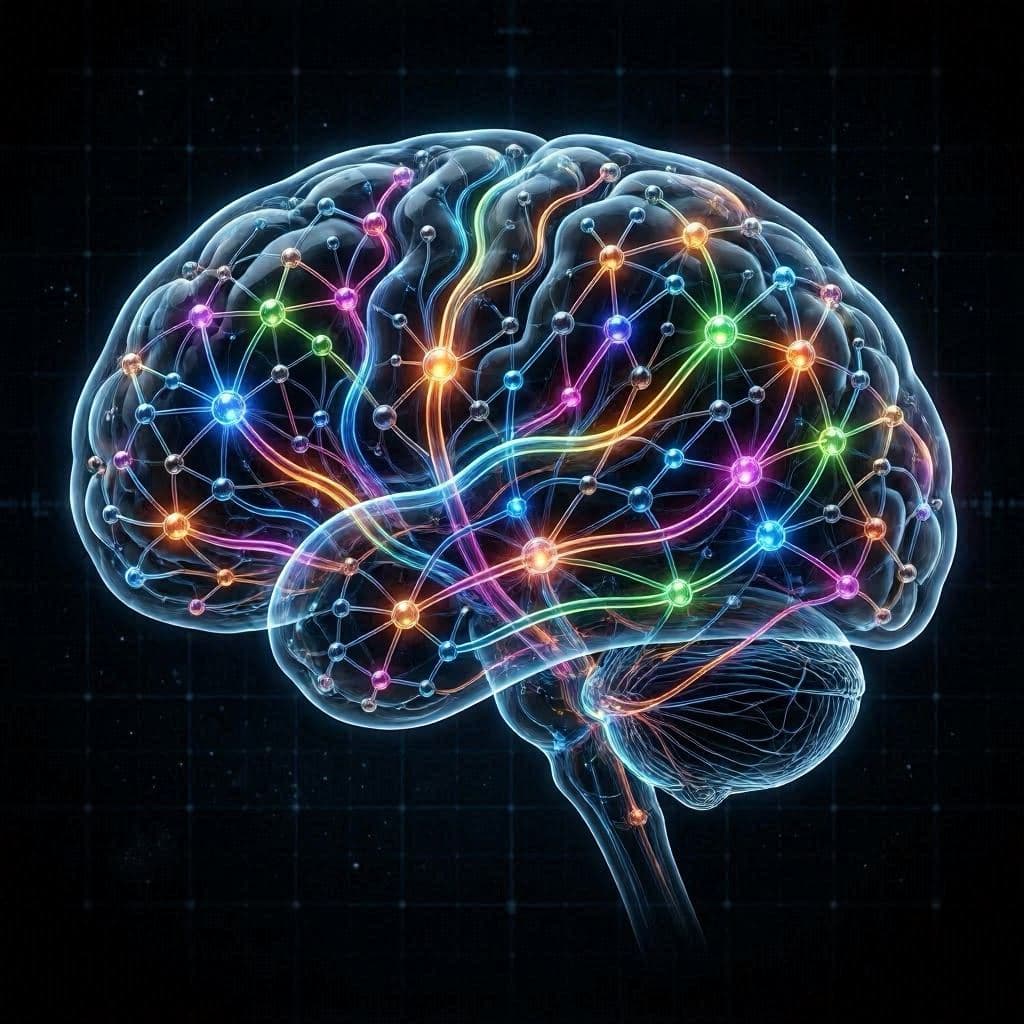
The human brain is often likened to a vast, intricate city, where roads and pathways are constantly being paved, repaved, or rerouted in response to the traffic of our experiences. For those who lose their sight, it was long assumed that the visual cortex—the bustling downtown district dedicated to processing light—would simply fall into disuse, a quiet ghost town of neural potential. However, recent research suggests a far more dynamic and surprising reality. The brains of blind individuals do not merely idle; they reorganize in ways that defy traditional expectations, revealing a profound capacity for adaptation that challenges our understanding of neuroplasticity.
Body: For decades, the prevailing theory held that the visual cortex would be gradually taken over by other senses, such as hearing or touch, in a straightforward swap of real estate. This concept, known as cross-modal plasticity, suggested that the brain’s primary goal was to maximize efficiency by repurposing unused space. Yet, new studies indicate that this reorganization is not a simple handover but a complex restructuring that involves higher-order cognitive functions. The visual cortex remains active, but its role shifts from processing images to managing language, memory, and executive function.
This discovery upends the notion that the brain is strictly modular, with specific areas dedicated to single tasks. Instead, it appears that the visual cortex is more versatile than previously thought, capable of supporting abstract thinking and complex problem-solving. For blind individuals, this means that the part of the brain once reserved for seeing the world is now helping them navigate it through sound, touch, and intuition. It is a testament to the brain’s inherent flexibility and its ability to find new purposes for old tools.
The implications for education and rehabilitation are significant. If the visual cortex is engaged in higher-level cognition, then training programs for the blind should focus not just on sensory substitution but on cognitive enrichment. Activities that challenge memory, language, and logical reasoning may help strengthen these new neural pathways. This holistic approach recognizes that blindness is not just a sensory loss but a different way of processing information.
Researchers used advanced imaging techniques to map the brain activity of blind participants during various tasks. They found that the visual cortex lit up not only during tactile or auditory tasks but also during verbal memory tests. This suggests that the brain is integrating sensory input with cognitive processing in a unified network. The boundaries between "seeing" and "thinking" are more porous than we imagined, blurring the lines between perception and cognition.
For the blind community, these findings offer a sense of validation. Their experiences of heightened awareness and mental agility are not just compensatory mechanisms but the result of a sophisticated neurological rewiring. It highlights the resilience of the human mind and its ability to thrive in the face of change. The brain does not see absence; it sees opportunity.
Society often views disability through a lens of deficit, focusing on what is lost rather than what is gained. This research invites a shift in perspective, encouraging us to appreciate the unique cognitive strengths that can emerge from sensory loss. It reminds us that diversity in human experience leads to diversity in neural architecture, enriching our collective understanding of the mind.
As science continues to explore these neural landscapes, the hope is that this knowledge will lead to better support systems and technologies. Brain-computer interfaces, for example, could be designed to leverage this reorganized circuitry, offering new ways for blind individuals to interact with the digital world. The potential for innovation is vast, driven by a deeper respect for the brain’s adaptive power.
Closing: In the end, the reorganization of the blind brain is a reminder of the enduring mystery and marvel of human biology. It challenges our assumptions and expands our appreciation for the mind’s resilience. As we learn more, the hope is that we will create a world that values and supports these diverse ways of being and knowing.
AI Image Disclaimer: Please note that any accompanying visuals for this narrative are artificially generated interpretations meant to evoke the spirit of the story, not documentary evidence.
Sources: Nature Neuroscience Current Biology University of Oxford
Published by Banx Network. This article is part of the Banx decentralized media programme, powered by the BXE token on the XRP Ledger.