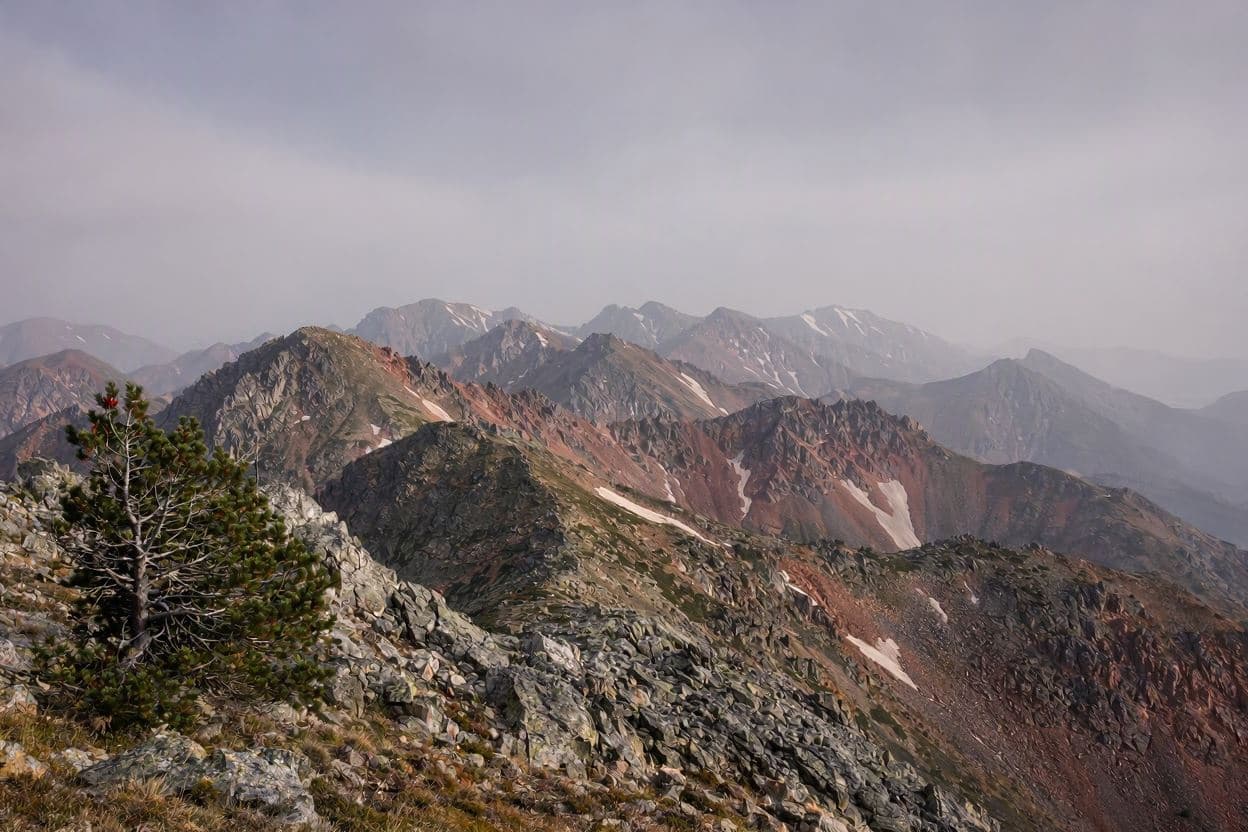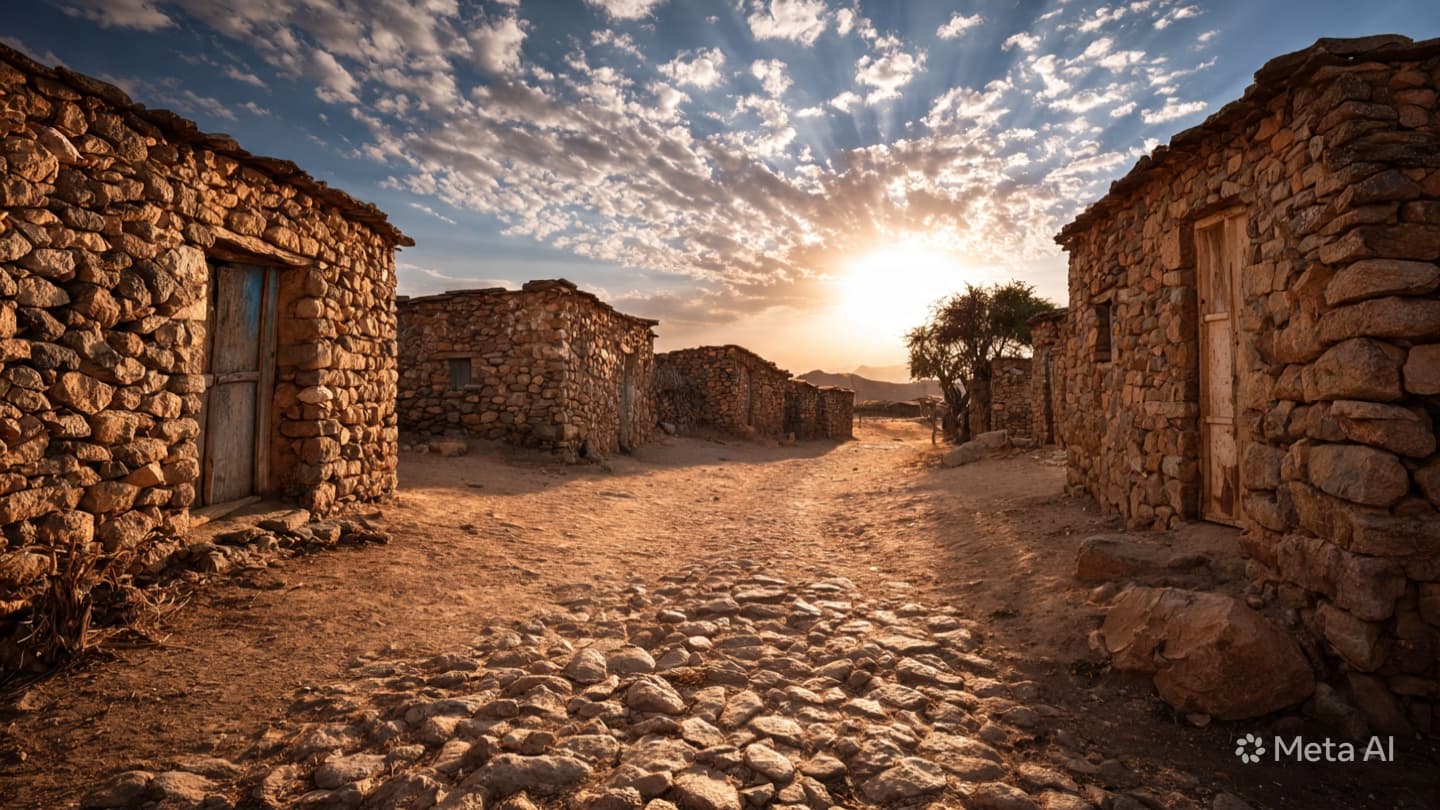
The fields of Western Tigray possess an ancient, quiet beauty, but the air beneath the acacia trees carries the unmistakable weight of human estrangement. Years after the formal cessation of major military operations in the north, the promised dawn of reconciliation remains frustratingly elusive for the native inhabitants of these contested agricultural zones. Instead, a quiet, systematic policy of exclusion has taken root, transforming neighborhoods into places of profound vulnerability for those who identify with the region's historic heritage. The landscape is beautiful, but it is a beauty marred by the invisible borders of discrimination and fear.
The ongoing persecution manifests not through the explosive violence of artillery bombardments, but through a steady, bureaucratic erasure of civil rights and economic viability. Local administrative bodies, established in the wake of the conflict, have implemented restrictive documentation policies that effectively deny Tigrayans access to essential identification papers. Without these crucial documents, individuals are barred from opening bank accounts, securing formal employment, or reclaiming the agricultural lands their families cultivated for generations. It is an institutionalized marginalization that reduces a proud population to second-class status within their own ancestral homes.
Human rights advocates monitoring the situation from afar describe a systematic pattern of forced displacement that shows no signs of abating. Families are frequently subjected to midnight inspections, verbal harassment, and arbitrary detentions by local security forces and allied militias, leaving them with no practical choice but to flee toward central Tigray. This steady exodus has swelled the populations of internally displaced persons camps, where hundreds of thousands live in crowded, substandard conditions with minimal access to clean water or medical care. The displacement is quiet, gradual, and devastatingly effective.
The physical separation of families is one of the most painful aspects of this unresolved territorial impasse. Checkpoints along the regional boundaries are tightly controlled, with travel permits issued sparingly and at exorbitant costs that place them far out of reach for ordinary citizens. Parents are separated from their children, and farmers are cut off from the urban markets that sustained their livelihoods, creating a profound sense of isolation and despair. The social fabric of the region is being systematically unraveled, thread by individual thread, away from the gaze of the global media.
Financially, the targeting of Tigrayan business owners and landowners has resulted in a massive transfer of wealth and resources to newly installed populations. Farmlands that once produced abundant harvests of sesame and sorghum have been arbitrarily reassigned to individuals aligned with the current administrative factions, leaving the original owners dependent on dwindling international food aid. This economic dispossession ensures that even if peace were to be fully realized tomorrow, the structural basis for Tigrayan self-sufficiency has been severely compromised. The wealth of the land has been thoroughly reassourced.
The international community's response to these ongoing violations has been characterized by a troubling degree of diplomatic fatigue and distraction. Major global powers, preoccupied with crises elsewhere, have largely accepted the formal signature of peace accords as a substitute for real, verifiable compliance on the ground. The premature termination of international monitoring mechanisms has left the vulnerable populations of Western Tigray without an independent recourse for justice or protection. The lack of accountability creates a dangerous precedent, signaling that compliance with humanitarian law is optional once the initial headlines fade.
Despite these immense pressures, a quiet, resilient dignity characterizes the daily survival strategies of those who remain within the contested zones. Neighbors share meager food rations in secret, and elders pass down cultural histories to the younger generation in whispered tones behind closed doors, preserving an identity that others are attempting to erase. This quiet resistance is born not out of political ambition, but out of a fundamental, human refusal to be erased from the geography that shaped them. Their presence remains a silent, stubborn testament to history.
As the sun sets behind the western ridges, casting long, crimson shadows across the fertile plains, the silence of the territory feels increasingly precarious. The unresolved status of these lands remains a ticking clock at the heart of the nation's fragile peace framework, a reminder that true stability cannot be built on a foundation of injustice and forced exile. The earth remembers those who walked it, and the call for a just resolution remains embedded in the very soil of the northern valleys.
Human Rights Watch released a detailed report documenting widespread human rights violations in the Western Tigray Zone, calling for an immediate deployment of independent international observers to monitor civilian safety. The federal high court has temporarily suspended a controversial regional boundary reallocation decree pending a full constitutional review by the House of Federation. Food distribution metrics in central displacement camps indicate an acute shortage of nutritional supplements for young children and nursing mothers.
Published by Banx Network. This article is part of the Banx decentralized media programme, powered by the BXE token on the XRP Ledger.