There are summers that arrive like old friends, carrying long evenings, open windows, and the gentle promise of time spent outdoors. And then there are summers that seem to linger with unusual intensity, stretching daylight into something heavier, turning familiar routines into careful calculations beneath an unyielding sky.
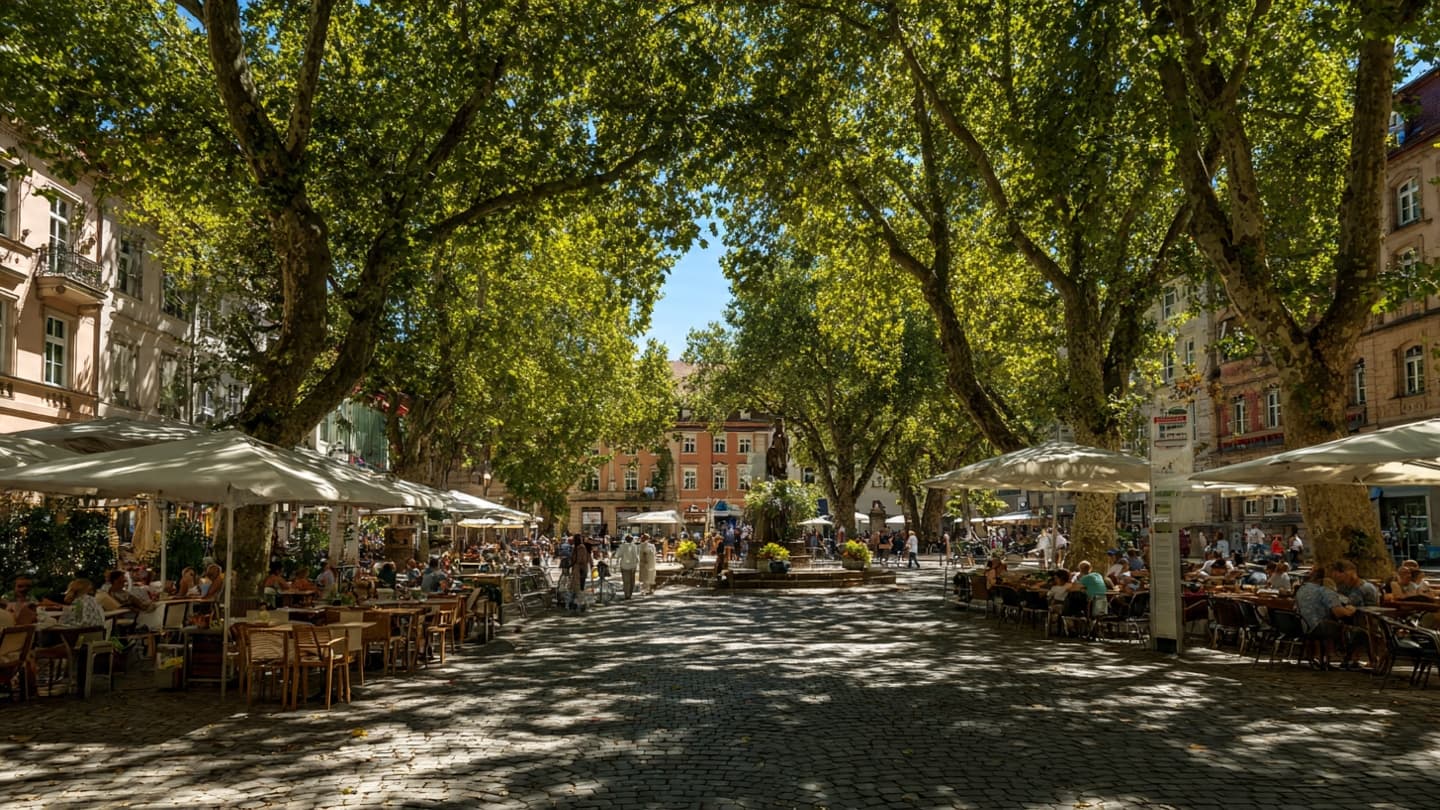
Across Europe, the season has taken on that heavier character. Streets that would normally hum with the easy rhythm of summer now move more slowly. Public squares shimmer beneath waves of heat. Parks empty earlier in the day, and conversations increasingly begin with a glance toward weather forecasts that seem to climb higher with each passing afternoon.
The latest heatwave sweeping across the continent has prompted authorities to take measures that would once have seemed extraordinary. Schools in several regions have closed their doors as temperatures rose to levels considered unsafe for students and staff. Classrooms designed for learning have become difficult places to endure the heat, particularly in buildings constructed for climates that historically demanded warmth rather than cooling.
For many families, the closures have altered the ordinary cadence of daily life. Children remain at home, routines are reshaped, and parents adjust schedules around conditions dictated not by calendars but by the atmosphere itself. The experience serves as a reminder that weather, often treated as a background condition, still possesses the power to reorganize entire communities.
Transportation networks have also felt the strain. Railway operators in multiple countries have urged passengers to reconsider non-essential travel as extreme temperatures place additional pressure on infrastructure. Steel rails expand under intense heat, electrical systems face greater demands, and the reliability of services becomes increasingly dependent on conditions that engineers cannot fully control.
Train stations, usually symbols of movement and connection, have become places where caution accompanies departure boards. Travelers pause to assess delays, route changes, and safety advisories. The simple act of moving from one city to another now carries an awareness of environmental conditions that extend far beyond the station platform.
The heat has reached into nearly every corner of public life. Health authorities have issued warnings for vulnerable populations, including older adults, young children, and individuals with preexisting medical conditions. Hospitals and emergency services have prepared for increased demand as prolonged exposure to high temperatures raises the risk of dehydration, heat exhaustion, and other health concerns.
Agricultural regions are also watching the skies with growing attention. Fields that depend upon predictable seasonal patterns face additional stress during prolonged periods of extreme heat. Farmers monitor soil moisture, crop resilience, and water supplies, aware that the consequences of a hot week can sometimes echo through entire harvest seasons.
What makes these episodes particularly notable is not only their intensity but their frequency. Across much of Europe, heatwaves that once appeared exceptional are increasingly becoming recurring features of summer. Scientists have repeatedly linked rising global temperatures to more frequent and severe extreme weather events, prompting governments and communities to reconsider how cities, infrastructure, and public services are designed.
Yet amid the statistics and forecasts, the reality remains deeply human. It can be found in a teacher packing away lesson plans for an unexpected closure, a commuter checking travel alerts before leaving home, or an elderly resident drawing curtains against the afternoon sun. Climate trends may be measured across decades, but they are experienced one day at a time.
As evening arrives, some relief returns. Shadows lengthen across plazas, temperatures gradually ease, and city life cautiously resumes. Cafés fill again, children return to playgrounds, and trains continue their journeys. But the respite is often temporary, with another hot day already waiting on the horizon.
For now, Europe finds itself adapting to a season that seems intent on testing familiar assumptions. Schools have closed, railways have issued warnings, and communities have adjusted their routines to accommodate conditions once considered rare. The immediate challenge is practical: staying safe, protecting infrastructure, and maintaining public services.
Beyond that lies a broader reflection. Each heatwave becomes part of a larger story about how societies respond to environmental change. The summer sun still illuminates historic cities, rivers, and coastlines with remarkable beauty. Yet it also casts longer questions about resilience, adaptation, and the future shape of life across a warming continent.
And so the season continues, measured not only by dates on a calendar but by the choices people make beneath a bright and relentless sky.
AI Image Disclaimer The accompanying visuals were created using AI-generated imagery and serve as illustrative representations of the themes discussed in this article rather than actual photographs.
Sources
Reuters World Meteorological Organization (WMO) European Environment Agency Associated Press Copernicus Climate Change Service
Published by Banx Network. This article is part of the Banx decentralized media programme, powered by the BXE token on the XRP Ledger.