Opening: Time is a concept we struggle to grasp when applied to the age of the Earth. Four and a half billion years is a number so large it becomes abstract, losing its meaning in the sheer magnitude of zeros. To make sense of this deep time, scientists often use the metaphor of a calendar year. In this compressed timeline, the birth of the Earth is January 1st, and the present moment is the stroke of midnight on December 31st. It is a humbling exercise that reveals just how recent our presence has been in the grand narrative of the planet.
Body: In this cosmic calendar, the first few months are quiet, dominated by the cooling of the planet and the formation of oceans. Life does not appear until late February or early March, in the form of simple single-celled organisms. For the next nine months, the Earth is a world of microbes, invisible to the naked eye, slowly transforming the atmosphere and preparing the stage for more complex forms. It is a long, slow burn of biological evolution.
Multicellular life arrives in November, with the Cambrian Explosion bringing a burst of diversity in mid-November. Dinosaurs dominate the landscape in late December, appearing around the 26th and ruling until the 29th, when an asteroid impact wipes them out. Mammals then rise to prominence, evolving rapidly in the final days of the year. The timeline shows that the era of dinosaurs, often seen as eternal in popular culture, was just a brief chapter in Earth’s long story.
Humans, specifically Homo sapiens, do not appear until 11:36 PM on December 31st. In the last 24 minutes of the year, we evolve, migrate, and develop tools. It is a blink of an eye in geological terms. All of recorded history, every empire, every war, every work of art, and every scientific discovery, happens in the final seconds before midnight. Agriculture, the foundation of civilization, begins at 11:59 PM.
This perspective shifts our understanding of our place in the world. We are not the protagonists of a long epic, but the latest characters in a story that has been unfolding for billions of years. The brevity of human history suggests that our impact, while significant, is still young. We have only just begun to shape the planet in ways that rival geological forces, a phenomenon some call the Anthropocene.
The metaphor also highlights the fragility of our existence. If the entire year represents Earth’s history, our future is unwritten. We stand at the threshold of midnight, with the potential to either extinguish ourselves or to thrive for millions of years to come. The choices we make in these final seconds will determine the trajectory of the next "year" in this cosmic calendar.
It encourages a sense of stewardship. Knowing that we are latecomers to the party, we might feel a greater responsibility to protect the legacy of life that came before us. The biodiversity that evolved over billions of years is our inheritance, and preserving it is essential for our own survival. The calendar reminds us that we are part of a larger whole, not separate from it.
Educators and scientists use this analogy to combat "presentism," the tendency to view the present as the most important time. By zooming out, we see that change is constant and that humanity is a transient phenomenon. This view can be liberating, reducing anxiety about our significance while increasing awe at the complexity of life.
Closing: In the end, the cosmic calendar is a tool for humility and wonder. It places human history in its proper context, showing us that we are a fleeting but powerful force. As we approach the metaphorical midnight, let us do so with awareness and care, honoring the deep past and protecting the uncertain future.
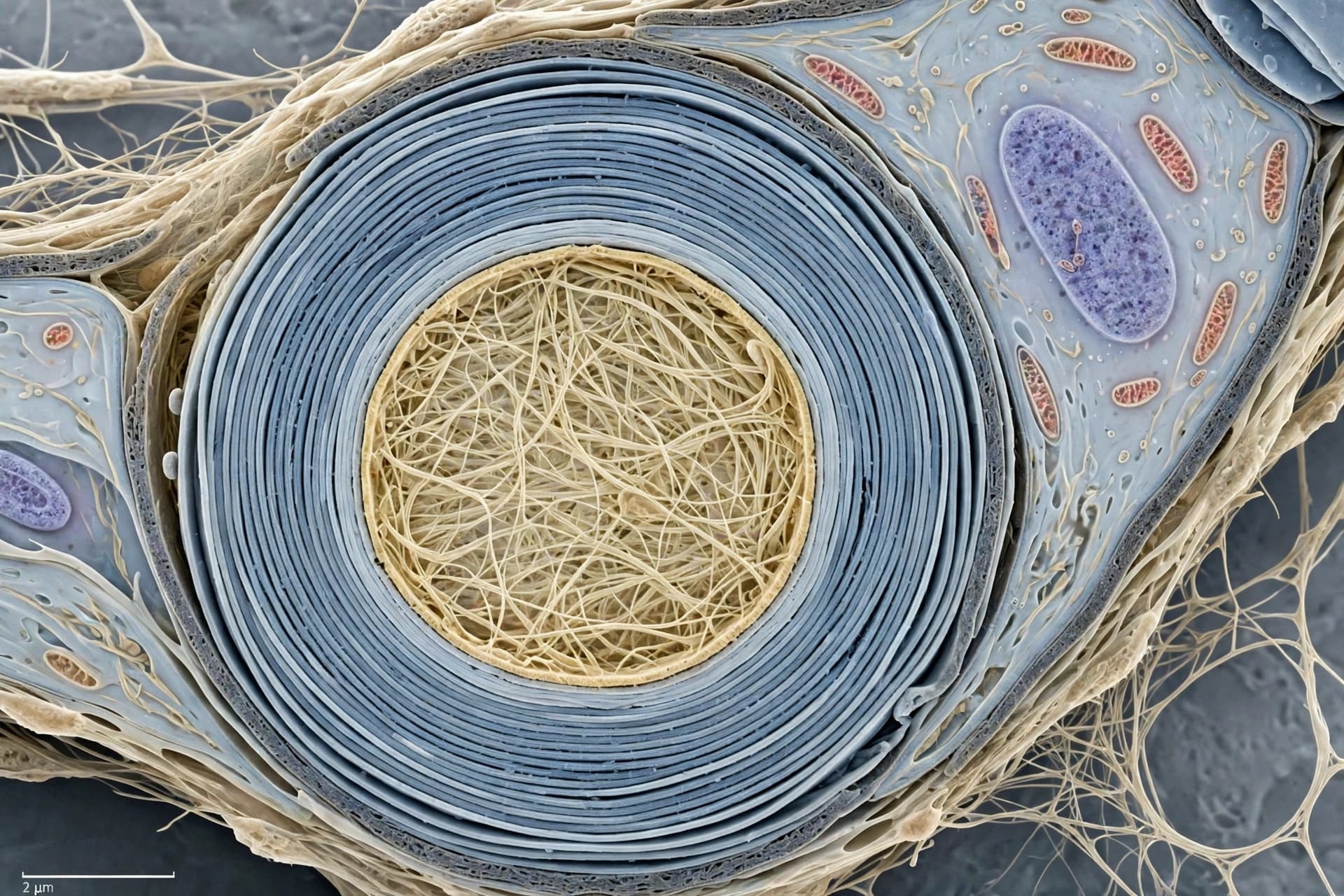
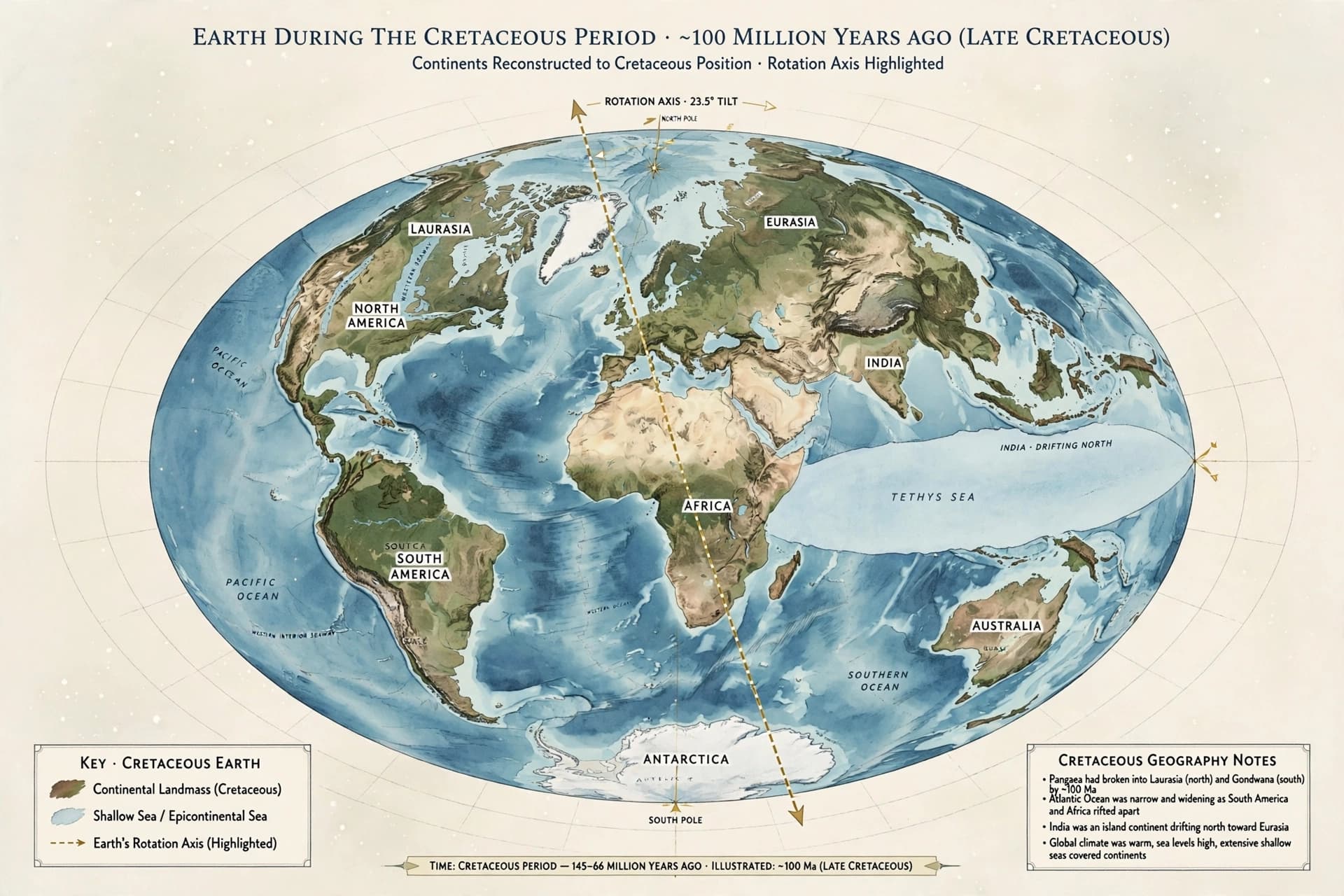
AI Image Disclaimer: Visuals accompanying this text are AI-generated conceptualizations intended to depict the themes of deep time and historical perspective.
Sources: Carl Sagan’s "The Dragons of Eden" National Geographic Smithsonian Magazine
Published by Banx Network. This article is part of the Banx decentralized media programme, powered by the BXE token on the XRP Ledger.