Economic forecasts often attempt to predict the rhythm of change, yet economies rarely move in perfect step with expectations. Sometimes growth arrives faster than anticipated, creating outcomes that challenge assumptions and invite fresh analysis. Recent labor market data from the United States offers one such example.
American employers continue to add jobs at a pace exceeding many forecasts. The trend has reinforced perceptions of a labor market that remains resilient despite broader economic uncertainties and ongoing discussions about inflation, interest rates, and consumer confidence.
Healthcare remains one of the strongest contributors to employment growth. Hospitals, clinics, and healthcare providers continue to expand staffing as demand for medical services rises across an aging and growing population. The sector has become a consistent source of new opportunities.
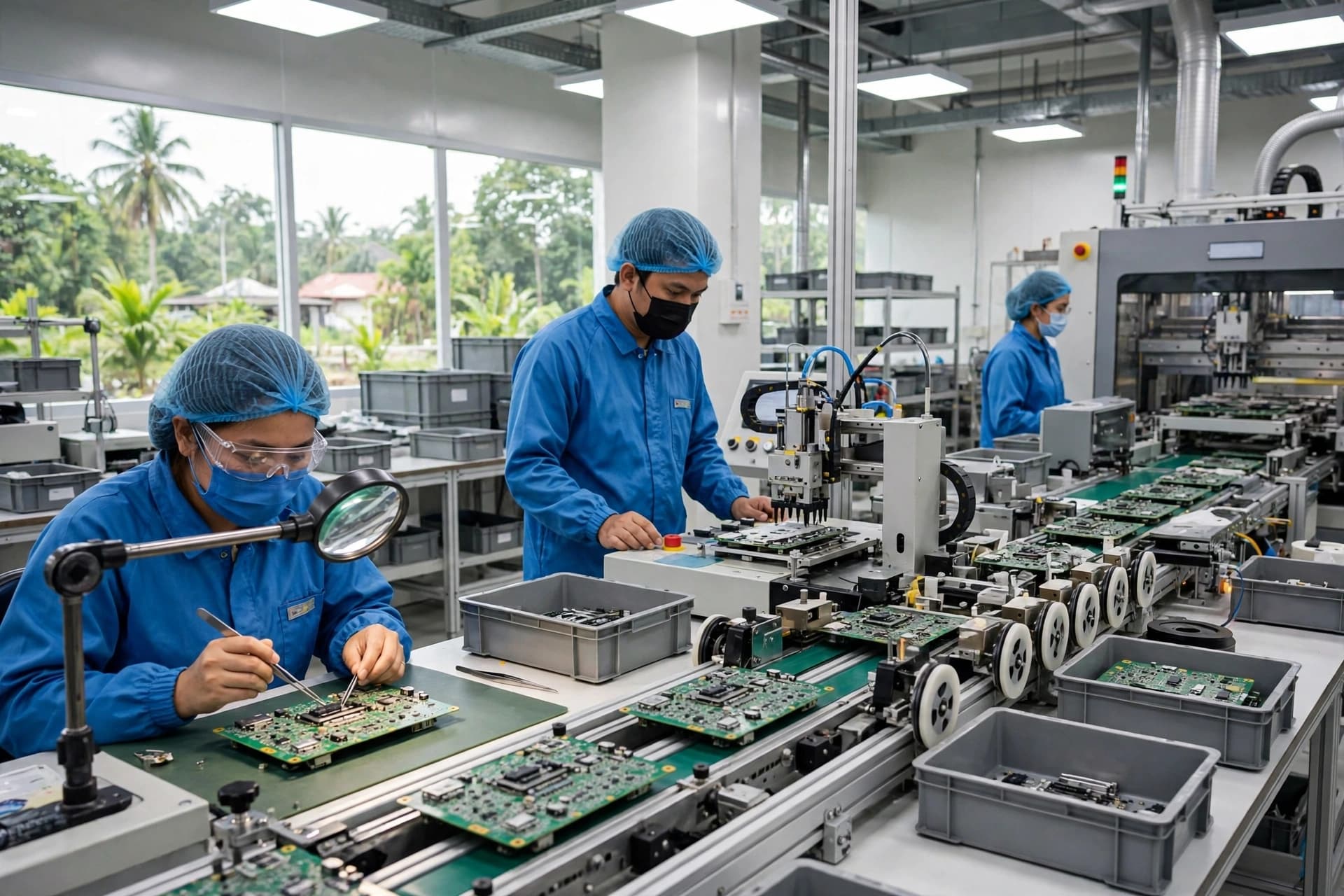
Transportation and logistics companies have also maintained hiring activity. Modern commerce relies heavily on efficient movement of goods, and businesses continue to invest in workforce capacity to support supply chains and delivery networks across the country.
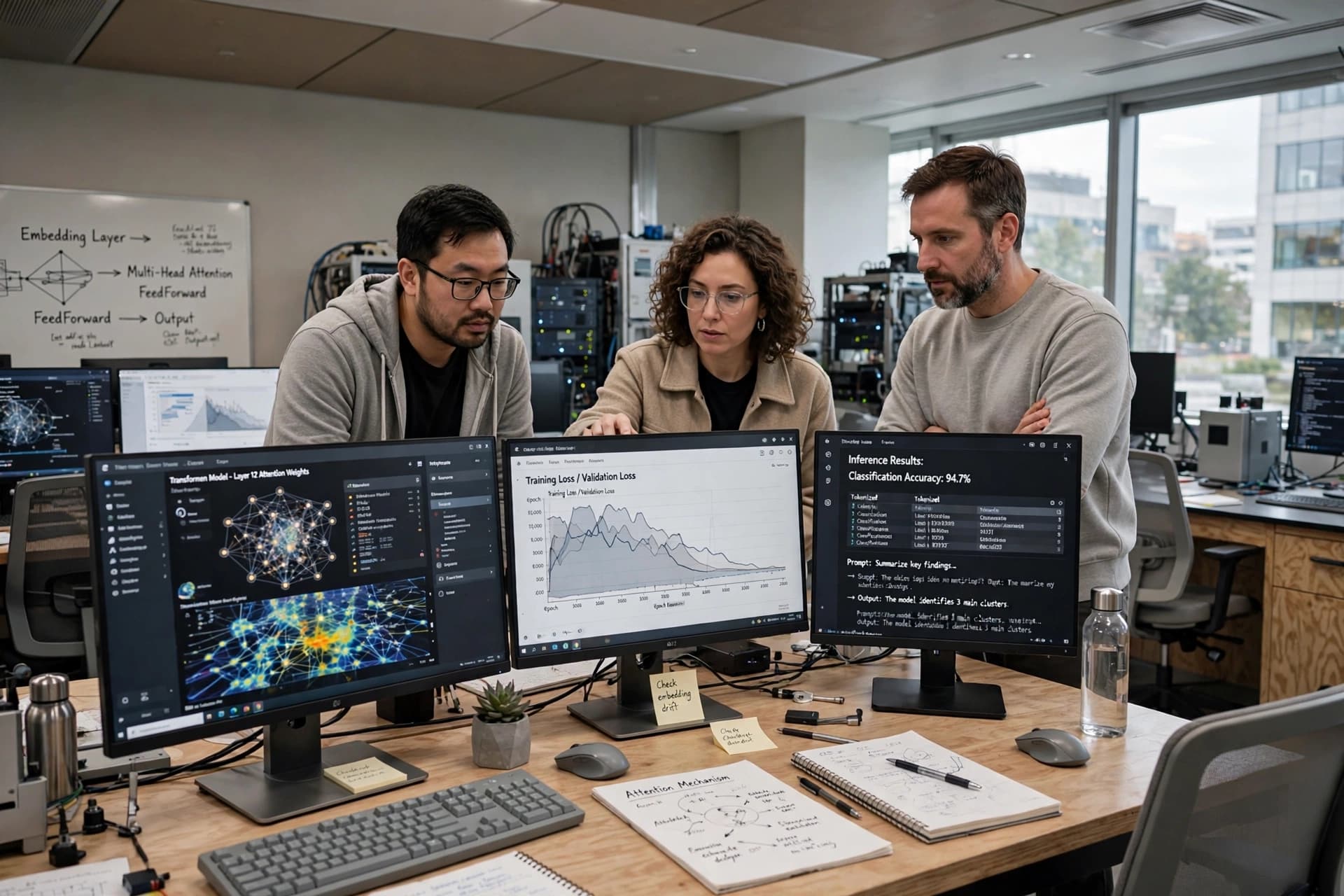
Technology-related roles remain important despite periodic fluctuations within the sector. Companies continue to seek professionals specializing in artificial intelligence, cybersecurity, software development, and data management. Demand for digital expertise remains a defining feature of the modern labor market.
For workers, a strong employment environment can create greater flexibility and opportunity. Competitive labor conditions often encourage wage growth, career mobility, and increased investment in skills development. These factors contribute to broader economic participation.
Employers, however, face their own challenges. Recruiting qualified talent remains difficult in certain industries where specialized skills are in high demand. Organizations increasingly focus on training programs, employee retention, and workplace flexibility to strengthen recruitment efforts.
Economists continue to examine whether hiring momentum can remain sustainable over the longer term. Factors such as productivity growth, consumer demand, and business investment will influence future labor market conditions. Nevertheless, recent performance suggests considerable resilience.
The relationship between employment and economic confidence remains complex. Strong job creation can support spending and investment, yet households may continue to evaluate financial conditions through broader considerations such as affordability and living costs.
Even so, ongoing hiring activity provides evidence that many businesses continue to see opportunities ahead. In an environment often characterized by uncertainty, employers are signaling confidence through one of the clearest actions available: investing in people and expanding their workforce.
AI Image Disclaimer Illustrations were produced with AI and serve as conceptual depictions.
Source Check Credible sources available:
Reuters Bloomberg CNBC The Wall Street Journal The Guardian Business
Published by Banx Network. This article is part of the Banx decentralized media programme, powered by the BXE token on the XRP Ledger.