

Key Highlights
- Record Sale:T. rex fossil 'Shen' sold for $50.1 million.
- Cultural Impact:The sale raises questions about private ownership of fossils.
- Public Access:The identity of the buyer remains unknown, affecting future accessibility.
The world of paleontology has recently witnessed a remarkable event: the auction of a Tyrannosaurus rex fossil named 'Shen' for a staggering $50.1 million. This sale not only sets a new record for dinosaur fossils but also reignites discussions about the implications of such high-profile transactions on science and public access to natural history. The auction, held at Sotheby’s, attracted significant attention, reflecting society's ongoing fascination with these ancient creatures.
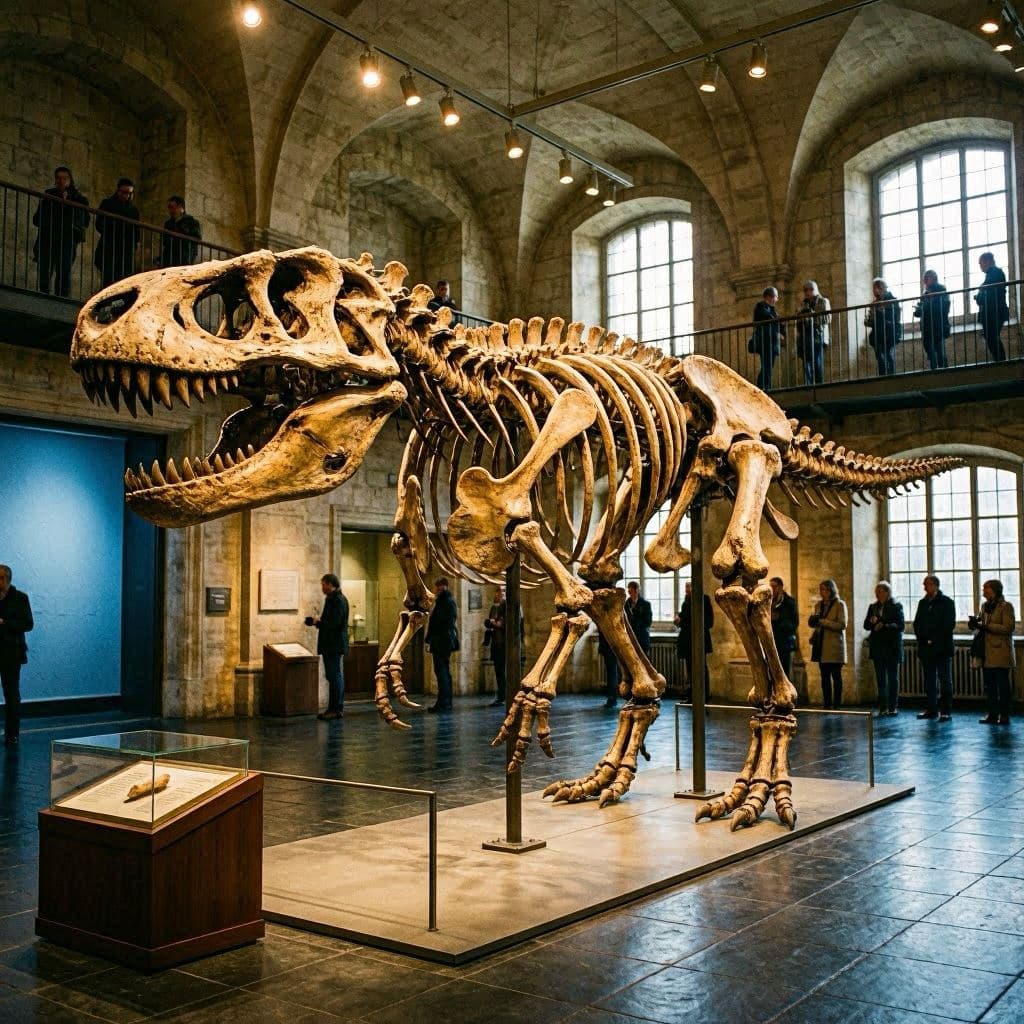
Discovered in Montana, 'Shen' is one of the most complete T. rex specimens ever unearthed, boasting over 90 percent of its skeleton intact. This exceptional preservation makes it a valuable asset for both collectors and researchers. The intense bidding war that drove the price to its record-breaking height underscores the competitive nature of the fossil market, where collectors, museums, and institutions vie for ownership of rare specimens.
However, the sale of 'Shen' raises critical questions within the paleontological community regarding access to fossils for research purposes. When fossils are sold to private collectors, they may become inaccessible to scientists who rely on these specimens for study and education. While some buyers pledge to lend their acquisitions for research, others may choose to keep them hidden from public view. This ongoing tension between commercial interests and scientific utility highlights the need for policies that ensure a balance between private ownership and public benefit.
The identity of the buyer remains a mystery, adding an intriguing layer to the story. Speculation suggests that the purchaser could be a wealthy individual or a consortium planning to display the fossil in a private museum. The eventual location of 'Shen' will significantly impact its accessibility to the public. Will it be showcased in a prominent institution, allowing millions to appreciate its historical significance, or will it be relegated to a private collection, limiting public engagement?
The sale also reflects a broader trend in the fossil market, where high-profile sales have led to skyrocketing prices and increased interest from investors. This trend has prompted concerns about the excavation and commercialization of fossils, often at the expense of their scientific context. Protecting excavation sites and ensuring proper documentation are essential for maintaining the integrity of the fossil record, presenting a challenge for the paleontological community.
For the general public, the sale of 'Shen' serves as a reminder of the allure of dinosaurs, particularly the iconic T. rex. This event generates media coverage and public discourse, bringing paleontology into the mainstream and inspiring curiosity about evolution and extinction. It emphasizes the importance of these ancient creatures in educating future generations about the history of life on Earth.
Museums often find themselves at a disadvantage when competing with private buyers due to budget constraints. While some institutions receive grants or donations, many lack the financial resources to acquire multi-million dollar specimens. This disparity can lead to significant losses in public access to important fossils. Advocating for increased funding and support for public institutions is crucial to ensure that natural history remains accessible to everyone.
As 'Shen' embarks on its new journey, there is hope that it will continue to inspire wonder and learning, regardless of its location. This fossil represents a tangible connection to a distant past, offering insights into the biology and behavior of one of Earth's most formidable predators. Its legacy transcends ownership, reminding us of the importance of preserving our natural history for future generations.
The sale of the T. rex fossil for $50.1 million is a testament to our enduring fascination with the prehistoric world. It highlights the complex interplay between commerce, science, and culture, and serves as a call for collective stewardship of our natural heritage.
Published by Banx Network. This article is part of the Banx decentralized media programme, powered by the BXE token on the XRP Ledger.




