
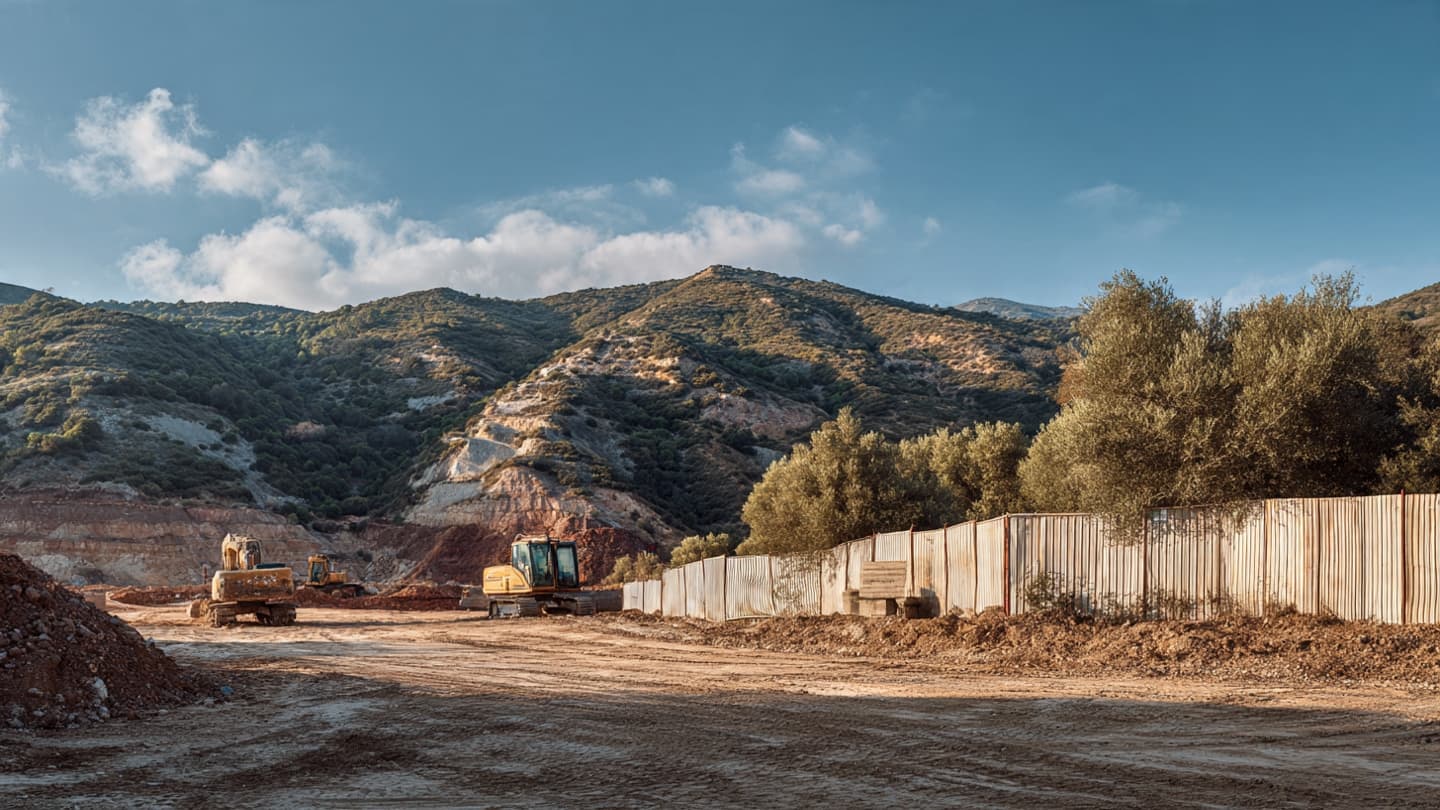
There are places where nature appears to move at its own unhurried rhythm. Along Albania’s Adriatic coastline, wetlands, lagoons, and quiet stretches of shoreline have long existed as landscapes shaped more by wind and water than by concrete and commerce. Yet in recent weeks, these same shores have become the center of a national conversation about development, conservation, and the future direction of the country. The debate intensified following plans for a large-scale luxury resort project associated with Affinity Partners, the investment firm founded by Jared Kushner. The proposed development includes areas near the Vjosa-Narta protected landscape and the island of Sazan, locations known for their ecological significance and natural beauty. The project has been promoted as a transformative investment capable of attracting high-end tourism and expanding Albania’s international profile. For supporters of the project, the proposal represents an opportunity to accelerate economic growth. Albanian officials, including Prime Minister Edi Rama, have argued that large-scale foreign investment could strengthen the tourism sector, create jobs, and contribute to broader ambitions of economic modernization. The government has repeatedly described the development as part of a larger strategy to position Albania as a premium Mediterranean destination. Yet the promise of investment has been met with growing resistance. Thousands of demonstrators have gathered in Tirana and other locations, expressing concerns about the environmental consequences of construction in sensitive coastal areas. Environmental organizations, conservation advocates, and local residents argue that the proposed development could alter ecosystems that support protected species and unique habitats. Many of the concerns focus on the Vjosa-Narta wetlands, an area recognized for its biodiversity. Flamingos, sea turtles, and other species depend on the region’s delicate ecological balance. Critics contend that large-scale tourism infrastructure could place additional pressure on habitats that have remained relatively undisturbed compared with other Mediterranean coastlines. The controversy has also expanded beyond environmental questions. Protesters have raised concerns regarding transparency, land management, and the process through which development approvals were granted. Calls for greater public consultation have become a recurring theme during demonstrations, reflecting broader discussions about governance and accountability in major investment projects. Tensions increased after reports of clashes between demonstrators and security personnel near parts of the development area. Images and videos circulating through local and international media brought additional attention to the dispute, further amplifying public debate. While authorities have sought to maintain order, the incidents underscored the emotional and political significance the issue has acquired. Developers connected to the project have stated that environmental responsibility remains a priority. Public statements have emphasized commitments to sustainable development, local employment opportunities, and long-term economic benefits for surrounding communities. Supporters argue that modern tourism projects can coexist with environmental stewardship if appropriate safeguards are implemented. Meanwhile, legal and regulatory questions continue to attract attention. Albania’s anti-corruption authorities have reportedly examined aspects of land transfers and changes affecting protected areas, adding another dimension to a debate already shaped by competing visions of progress and preservation. The investigations remain ongoing, and no final conclusions have been announced. AI IMAGE DISCLAIMER: Visuals are created with AI tools and are not real photographs. SOURCES: Reuters Associated Press (AP) The Guardian The Washington Post Euronews
Note: This article was published on BanxChange.com and is powered by the BXE Token on the XRP Ledger. For the latest articles and news, please visit BanxChange.com