
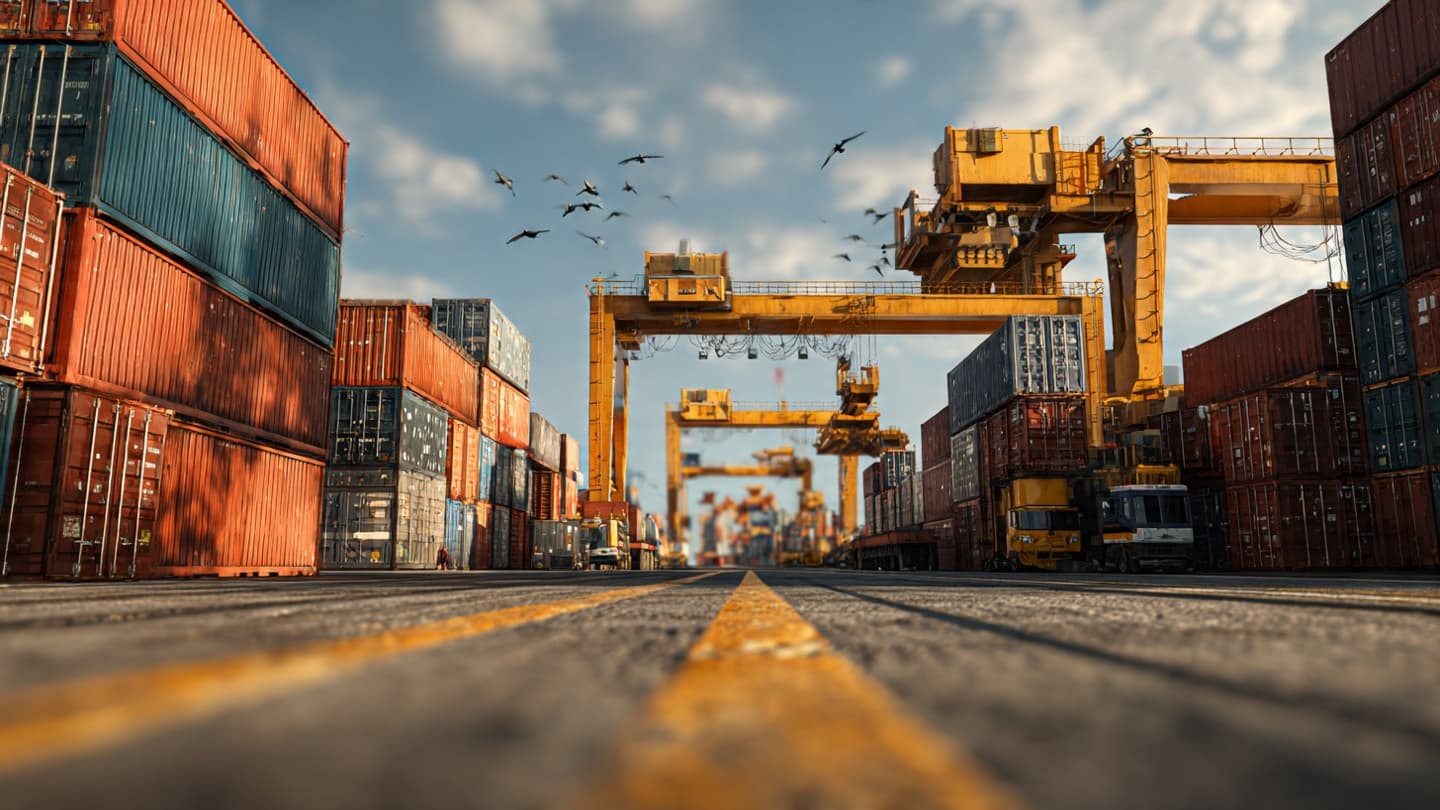
Modern commerce often resembles a vast tapestry woven from countless threads stretching across oceans, borders, and industries. Most consumers rarely notice those threads until one begins to loosen. A delayed shipment, a shortage of components, or a disrupted transportation route can reveal just how interconnected the global economy has become.
Across the United States, businesses continue to monitor risks affecting international supply chains. While global trade networks have demonstrated remarkable resilience in recent years, companies remain aware that disruptions can emerge from multiple directions and influence operations with surprising speed.
Supply chains depend on coordination between manufacturers, suppliers, transportation providers, ports, warehouses, and retailers. Each participant contributes to a larger process that ensures products move efficiently from production facilities to customers around the world.
Recent years have encouraged companies to rethink traditional approaches. Many organizations now prioritize resilience alongside efficiency. Rather than focusing exclusively on minimizing costs, businesses increasingly seek systems capable of adapting when unexpected challenges arise.
Diversification has become a common strategy. Companies are expanding supplier networks, exploring alternative transportation routes, and establishing relationships across multiple regions. Such measures reduce dependence on any single source and improve flexibility during periods of uncertainty.
Technology plays a growing role in risk management. Advanced analytics, real-time tracking systems, and predictive modeling help businesses identify potential disruptions earlier and respond more effectively. Information has become one of the most valuable assets in supply chain planning.
Inventory management strategies have evolved as well. While lean operations remain important, many organizations now maintain additional reserves of critical components and materials. The objective is not excess stockpiling but thoughtful preparation for unexpected events.
Geographic considerations continue to influence decision-making. Some companies are evaluating opportunities to locate production closer to end markets, while others maintain global operations supported by broader supplier networks. Each approach reflects a balance between efficiency, cost, and resilience.
Industry experts note that supply chain risks are unlikely to disappear entirely. Global commerce will always involve variables ranging from weather conditions and transportation constraints to economic fluctuations and market demand changes. Adaptability therefore remains essential.
The ongoing focus on supply chain resilience highlights a broader lesson about modern business. Success depends not only on creating products and services but also on ensuring that complex systems continue functioning when conditions change. In a connected world, preparedness has become one of the most valuable competitive advantages.
AI Image Disclaimer Graphics are AI-generated and intended for representation, not reality.
Source Check Credible sources available:
Reuters Financial Times Bloomberg The Wall Street Journal Supply Chain Dive
Note: This article was published on BanxChange.com and is powered by the BXE Token on the XRP Ledger. For the latest articles and news, please visit BanxChange.com