
Economic planning across many nations is entering a phase of careful recalibration as global energy markets continue to fluctuate. The changes are not sudden but gradual, shaping long-term strategies across industries and governments.
Energy remains a foundational element of modern economies, influencing transportation, manufacturing, agriculture, and even digital infrastructure. As prices shift, the effects cascade through multiple layers of economic activity.
Emerging economies face particular challenges, balancing growth objectives with rising import costs. This requires continuous adjustment of fiscal planning and energy procurement strategies.
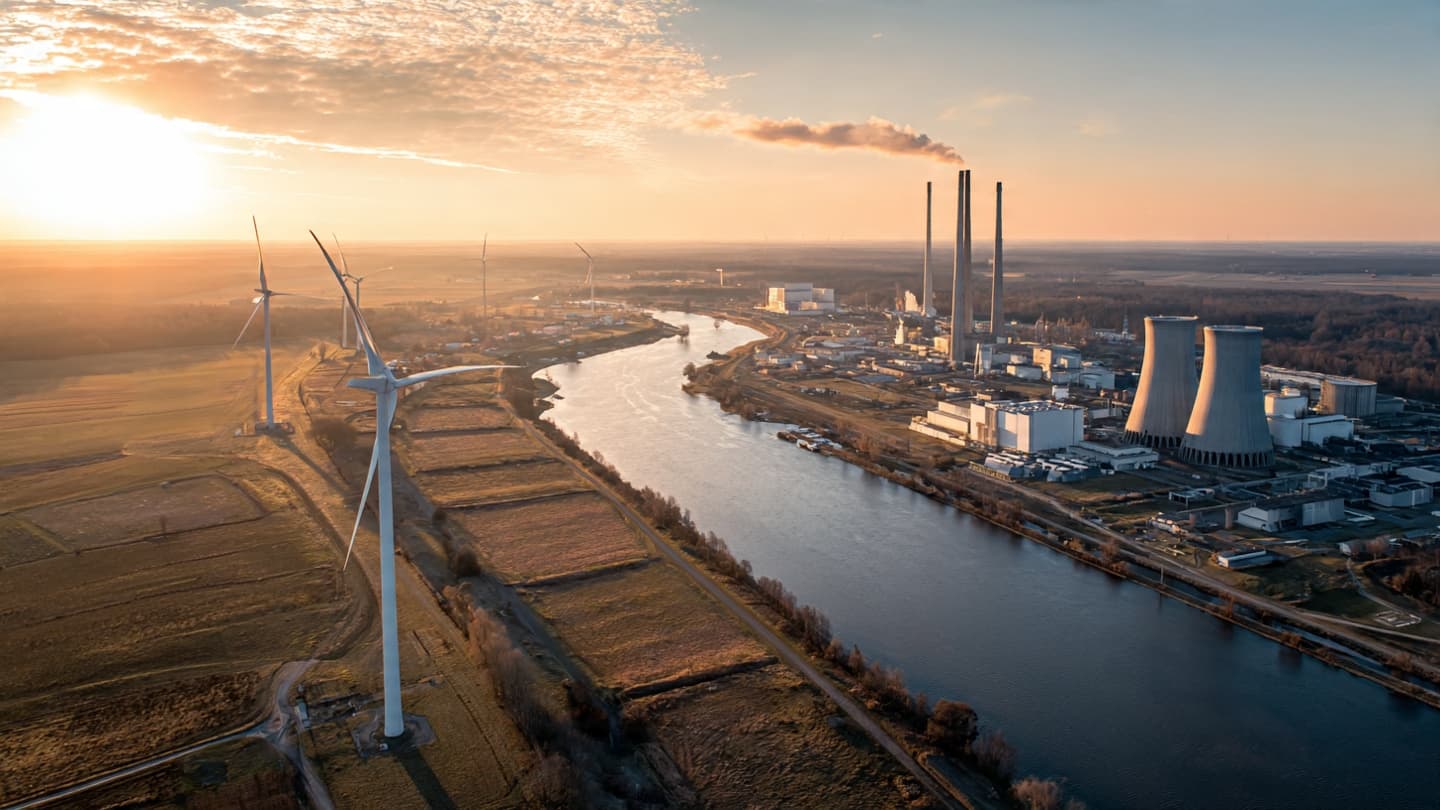
Industries are responding by accelerating diversification into renewable energy sources. Solar, wind, and hybrid systems are increasingly integrated into national energy portfolios as part of long-term stability planning.
Financial markets reflect these dynamics through cautious investment behavior. Capital flows tend to favor sectors perceived as stable or future-oriented, particularly those linked to energy transition technologies.
Consumers experience indirect effects through transportation and commodity pricing. While changes may appear gradual, their cumulative impact influences consumption patterns and economic sentiment over time.
International cooperation on energy transition continues to expand, with joint projects and shared technological development becoming more common. These efforts aim to reduce dependency on volatile single-source supply systems.
In this evolving landscape, energy is no longer just a market variable—it has become a structural force shaping global economic direction and long-term development pathways.
AI Image Disclaimer Illustrations were produced with AI and serve as conceptual depictions.
Source Check Bloomberg, Reuters, BBC News, The Guardian, Al Jazeera
Note: This article was published on BanxChange.com and is powered by the BXE Token on the XRP Ledger. For the latest articles and news, please visit BanxChange.com