There is a profound humility in measuring the vastness of the cosmos against the achievements of human engineering. Since its launch in 1977, Voyager 1 has been a silent ambassador, hurtling through the void at a staggering 38,000 miles per hour. It is the most distant human-made object in existence, a tiny speck of metal and memory carrying our greetings to the stars. Yet, despite decades of relentless travel, it has not yet covered the distance of a single light-day. This fact serves not as a critique of our technology, but as a gentle reminder of the incomprehensible scale of the universe we inhabit.
Body: To understand the magnitude of this journey, one must first grasp the speed at which Voyager travels. At 38,000 miles per hour, it moves faster than any bullet fired from a rifle, faster than the rotation of the Earth, and faster than the orbit of the International Space Station. For nearly half a century, it has maintained this velocity, powered by the momentum of gravity assists from Jupiter and Saturn. It is a testament to the precision of orbital mechanics and the durability of 1970s engineering.
However, space is not merely large; it is exponentially vast. A light-day is the distance light travels in twenty-four hours, approximately 16 billion miles. While this number sounds immense, it is a mere fraction of a light-year, the standard unit for interstellar distances. Voyager 1, despite its incredible speed, has only traveled about 15 billion miles from Earth. It is close, statistically speaking, but in cosmic terms, it has barely left the doorstep of our solar system.
The comparison highlights the difference between human scales and cosmic scales. We measure success in miles per hour and years of service, but the universe measures distance in eons and light-years. Voyager’s journey illustrates that even our fastest creations are sluggish when compared to the speed of light. It takes light just over eight minutes to reach us from the Sun, but it will take Voyager tens of thousands of years to reach the nearest star system.
This perspective does not diminish the achievement; rather, it elevates it. Voyager 1 has crossed the heliopause, the boundary where the sun’s influence wanes and interstellar space begins. It is sending back data from a realm no human has ever visited, providing insights into the magnetic fields and particle densities of the galaxy. Its continued operation, despite the degradation of its instruments, is a miracle of resilience.
The spacecraft carries the Golden Record, a phonograph containing sounds and images selected to portray the diversity of life and culture on Earth. It is a message in a bottle, cast into the cosmic ocean with little hope of being found, but with great hope of being understood. The fact that it has not yet traveled a light-day means that our message is still very much local, a whisper in our own neighborhood rather than a shout across the galaxy.
As we look to the future of space exploration, with concepts like nuclear propulsion and light sails, we dream of speeds that might one day make interstellar travel feasible. But for now, Voyager remains our solitary pioneer, moving slowly but surely into the unknown. Its pace teaches us patience, reminding us that some journeys are measured not in days or years, but in millennia.
Closing: In the end, Voyager 1’s inability to reach a single light-day is not a failure of speed, but a triumph of perspective. It reminds us that we are small beings in a vast universe, yet capable of reaching out beyond our world. As it continues its silent voyage, it carries with it the spirit of curiosity that defines humanity, proving that even the smallest steps can lead to the greatest discoveries.
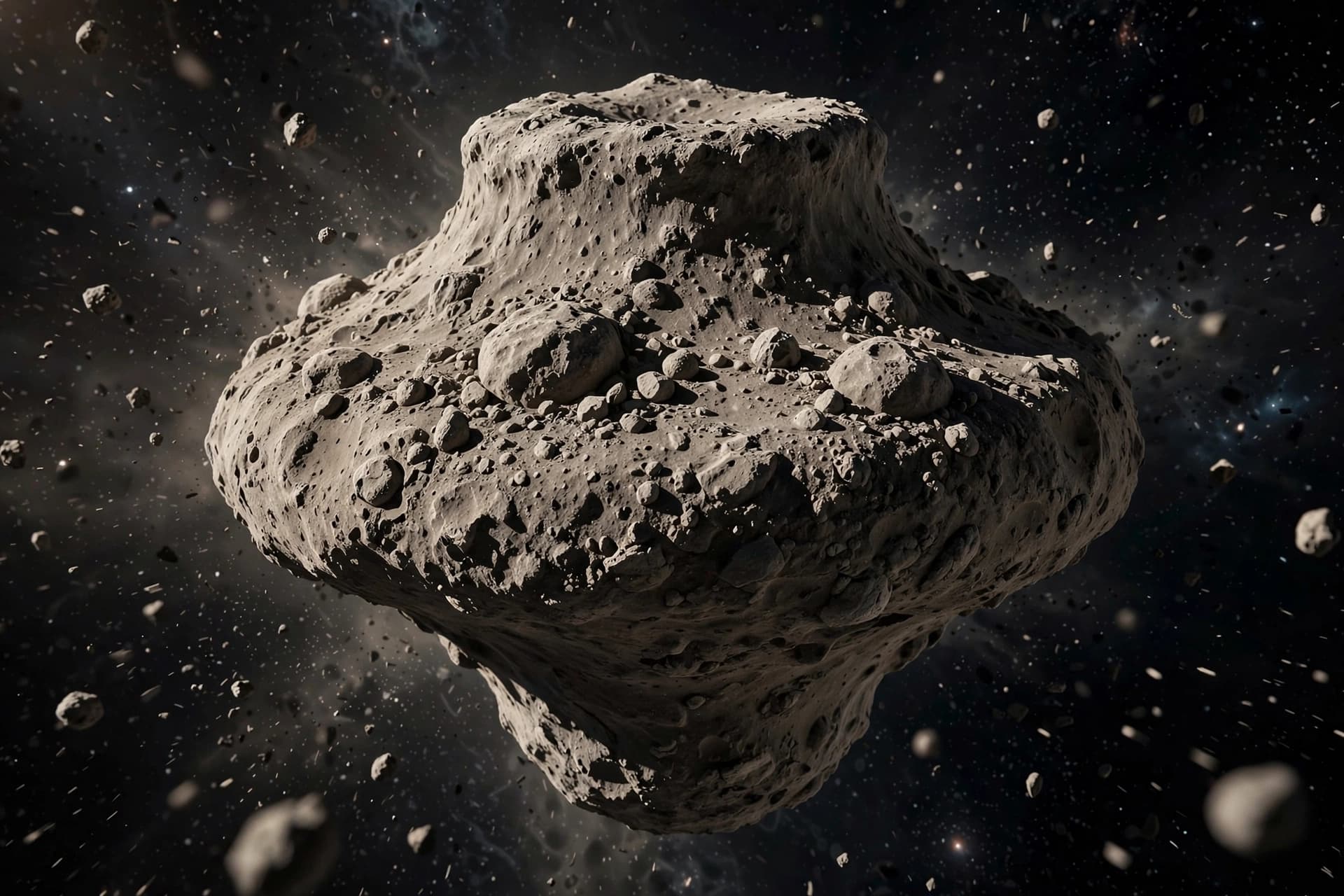
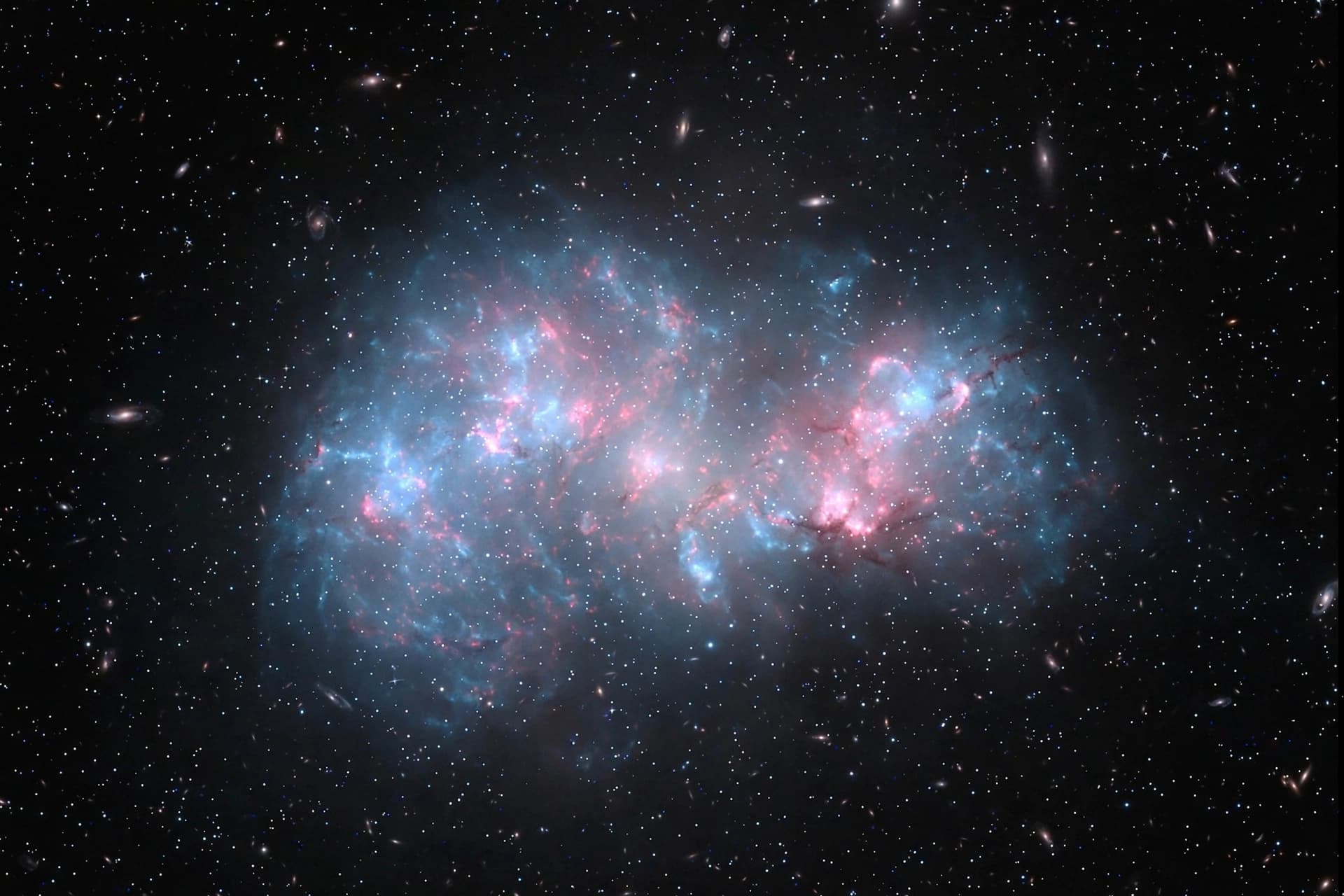
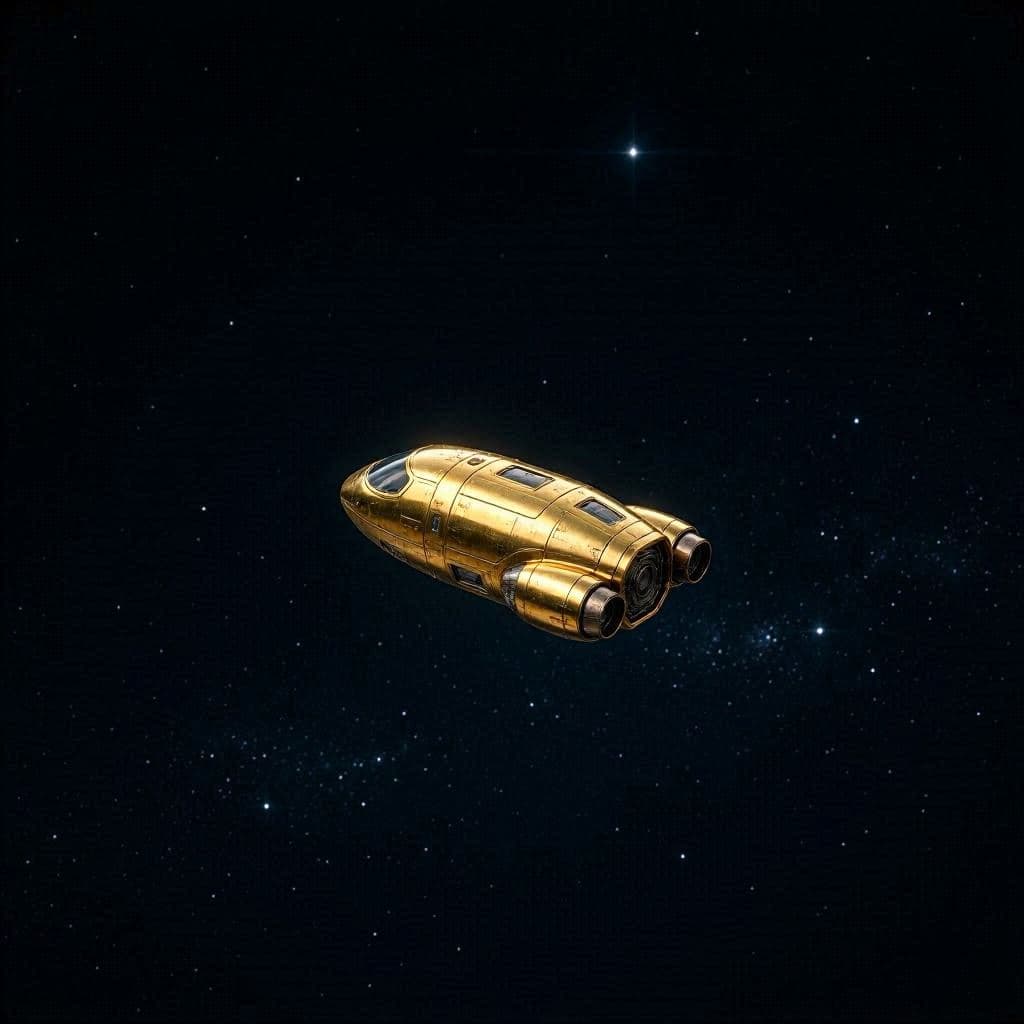
AI Image Disclaimer: Please note that any accompanying visuals for this narrative are artificially generated interpretations meant to evoke the spirit of the story, not documentary evidence.
Sources: NASA Jet Propulsion Laboratory (JPL) Space.com
Published by Banx Network. This article is part of the Banx decentralized media programme, powered by the BXE token on the XRP Ledger.