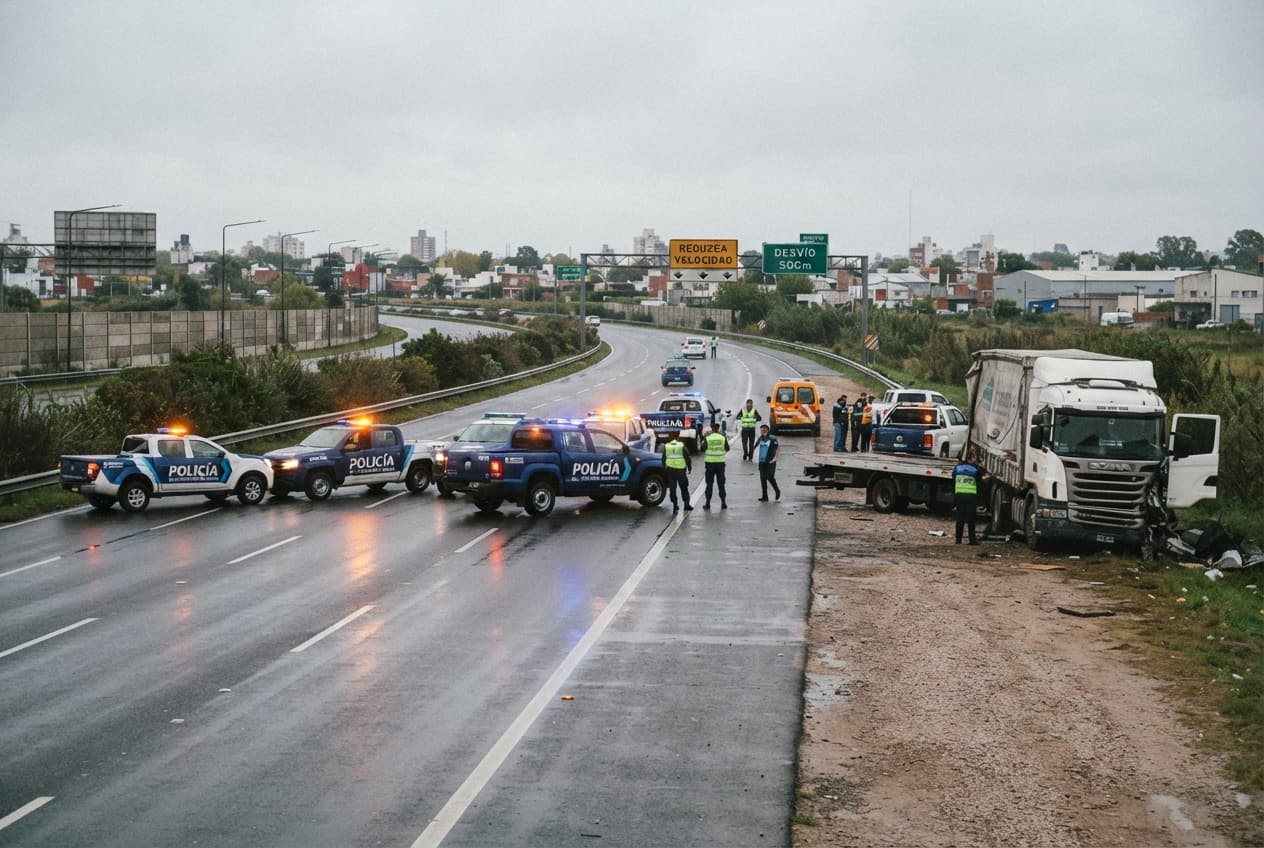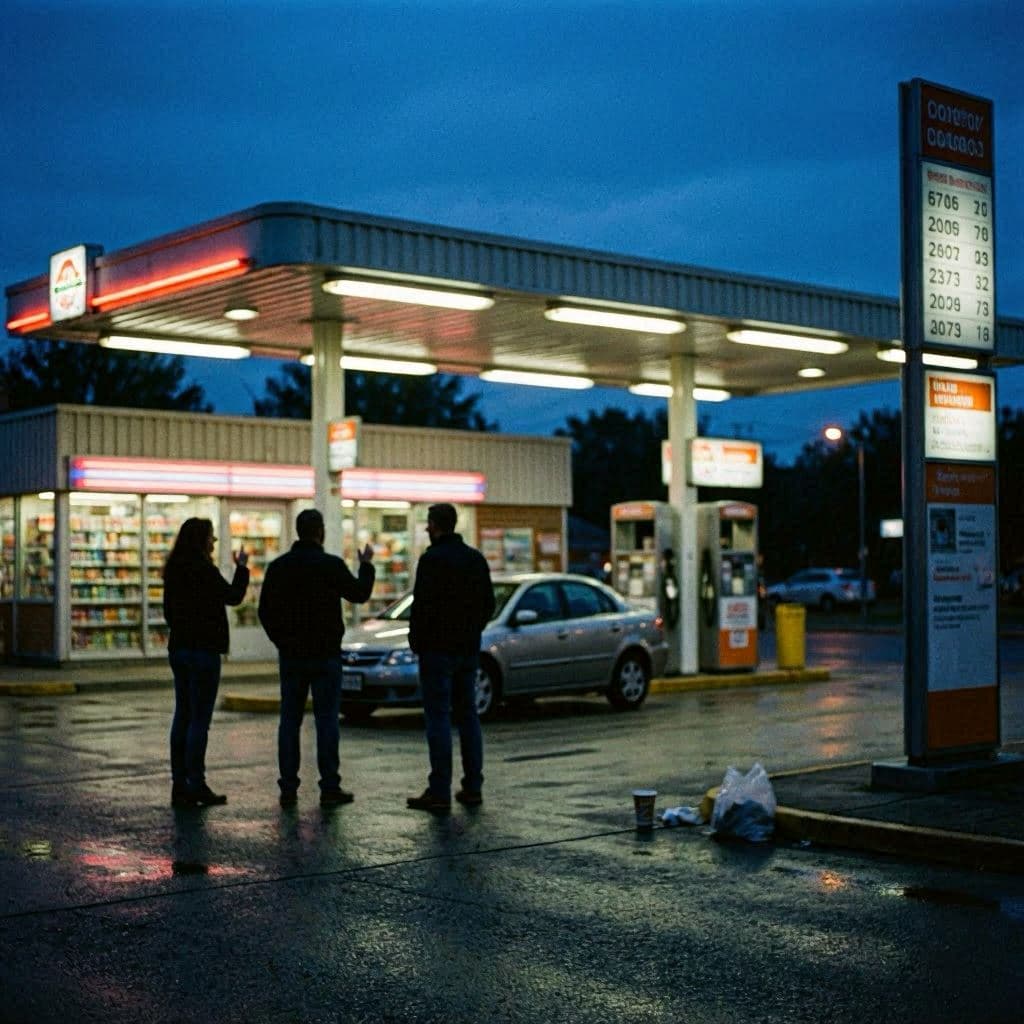
Tensions that have been simmering beneath the surface of daily life in Russia have recently boiled over at petrol stations across the country. Videos circulating on social media show heated arguments and physical altercations among motorists waiting in long lines for fuel. These scenes of unrest offer a raw glimpse into the growing frustration of a population grappling with the tangible effects of a war that has increasingly impacted their everyday routines.
President Vladimir Putin’s recent admission of fuel shortages has validated the experiences of many citizens who have faced empty pumps and restrictive rationing. While the government has attempted to manage the situation through controlled distribution and appeals to patriotism, the reality on the ground is one of scarcity and stress. For many, the inability to fill a tank is not just an inconvenience but a threat to their livelihood, particularly for those who depend on vehicles for work.
The fights at gas stations are symptomatic of a broader sense of anxiety and uncertainty. When basic necessities become scarce, social cohesion can fray, and neighbors may turn against each other in a struggle for resources. These incidents, while localized, reflect a deeper discontent that is spreading through various segments of society. They serve as a barometer for the public mood, which is shifting from passive acceptance to active frustration.
Authorities have responded with increased police presence and calls for calm, urging citizens to remain patient and cooperative. However, such measures often do little to address the root cause of the anger: the lack of fuel. The disconnect between official narratives of stability and the lived experience of shortage creates a trust deficit that can be difficult to repair. It highlights the challenges of maintaining social order in times of economic strain.
The impact of these shortages is not evenly distributed. Rural areas and smaller towns, which may have fewer alternative transportation options, are often hit harder than major cities. This disparity can exacerbate existing regional inequalities and fuel feelings of neglect among populations that already feel marginalized. The sense of fairness is crucial in maintaining public support, and its erosion can have long-term political consequences.
Internationally, these images of disorder contrast sharply with the projected image of strength and unity often portrayed by state media. They provide a window into the internal pressures facing the Russian government as it balances military objectives with domestic stability. The ability to manage these crises will be a key test of leadership in the coming months, as the war continues to exact a toll on the home front.
As the situation evolves, the focus will likely shift to how the government addresses the underlying supply issues. Whether through increased imports, repairs to damaged infrastructure, or other measures, the solution must be perceived as effective and fair. Until then, the tension at the pump remains a visible symbol of the wider challenges facing the nation.
In the end, these incidents are a reminder that war affects everyone, not just those on the front lines. The frustration of a driver unable to buy gas is a small but significant piece of a larger puzzle of societal stress. Understanding these dynamics is essential for grasping the full impact of the conflict and the resilience of the people living through it.
AI Image Disclaimer: The visual aids accompanying this article are created using artificial intelligence and are intended for conceptual illustration only, not as factual depictions of the crime scene or individuals.
Sources: Reuters The Wall Street Journal Instagram Reports Facebook Groups Understanding War
Published by Banx Network. This article is part of the Banx decentralized media programme, powered by the BXE token on the XRP Ledger.