The human brain remains one of science’s greatest mysteries. Although researchers have mapped many of its structures and functions, countless questions remain about how billions of connected cells create memories, emotions, creativity, and the ability to adapt. Like a constantly evolving landscape, the brain changes throughout life as people experience new environments, learn new skills, and respond to challenges.
Recent neuroscience research has provided new insights into neuroplasticity—the brain’s ability to reorganize its connections in response to learning and experience. Scientists have found that the brain is not a fixed system but a dynamic network capable of adjusting its structure and activity over time.
Researchers studying brain adaptation have used advanced imaging technologies, including magnetic resonance imaging (MRI) and other neurological mapping techniques, to observe changes in brain activity. These tools allow scientists to examine how different regions communicate when people learn new information or develop new abilities.
One important discovery in neuroscience is that repeated experiences can strengthen connections between brain cells. When a person practices a skill, studies a subject, or engages in certain activities over time, neural pathways can become more efficient. This process forms the biological foundation of learning and memory.
Scientists have also investigated how the brain responds after injury. Research into rehabilitation has shown that healthy regions of the brain can sometimes adapt and support functions affected by damage. These findings are helping improve approaches for people recovering from neurological conditions.
Beyond medical applications, understanding brain adaptation has implications for education and technology. Researchers are exploring how knowledge of learning processes can support better teaching methods and how artificial intelligence systems may be inspired by principles found in biological neural networks.
However, scientists emphasize that the brain remains extraordinarily complex. While modern technology provides increasingly detailed observations, researchers continue working to understand how individual neurons, networks, and chemical processes combine to create human thought and behavior.
The continuing exploration of the human brain reflects a broader scientific journey into understanding what makes humans capable of learning, adapting, and creating. Each discovery adds another piece to the puzzle, bringing researchers closer to understanding one of nature’s most remarkable systems.
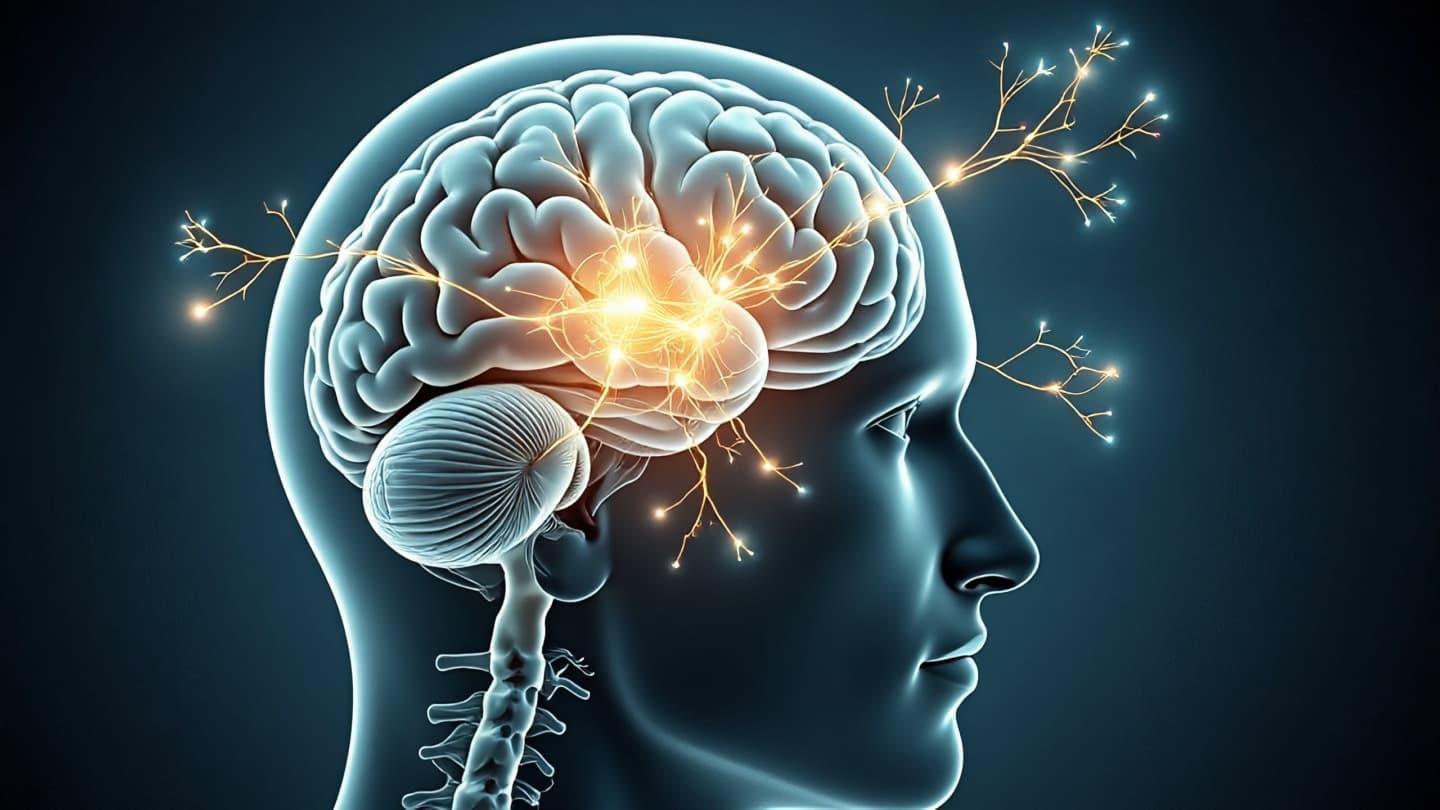
AI Image Disclaimer: The illustrations accompanying this article are AI-generated conceptual images designed to represent neuroscience research and are not actual medical scans.
Published by Banx Network. This article is part of the Banx decentralized media programme, powered by the BXE token on the XRP Ledger.