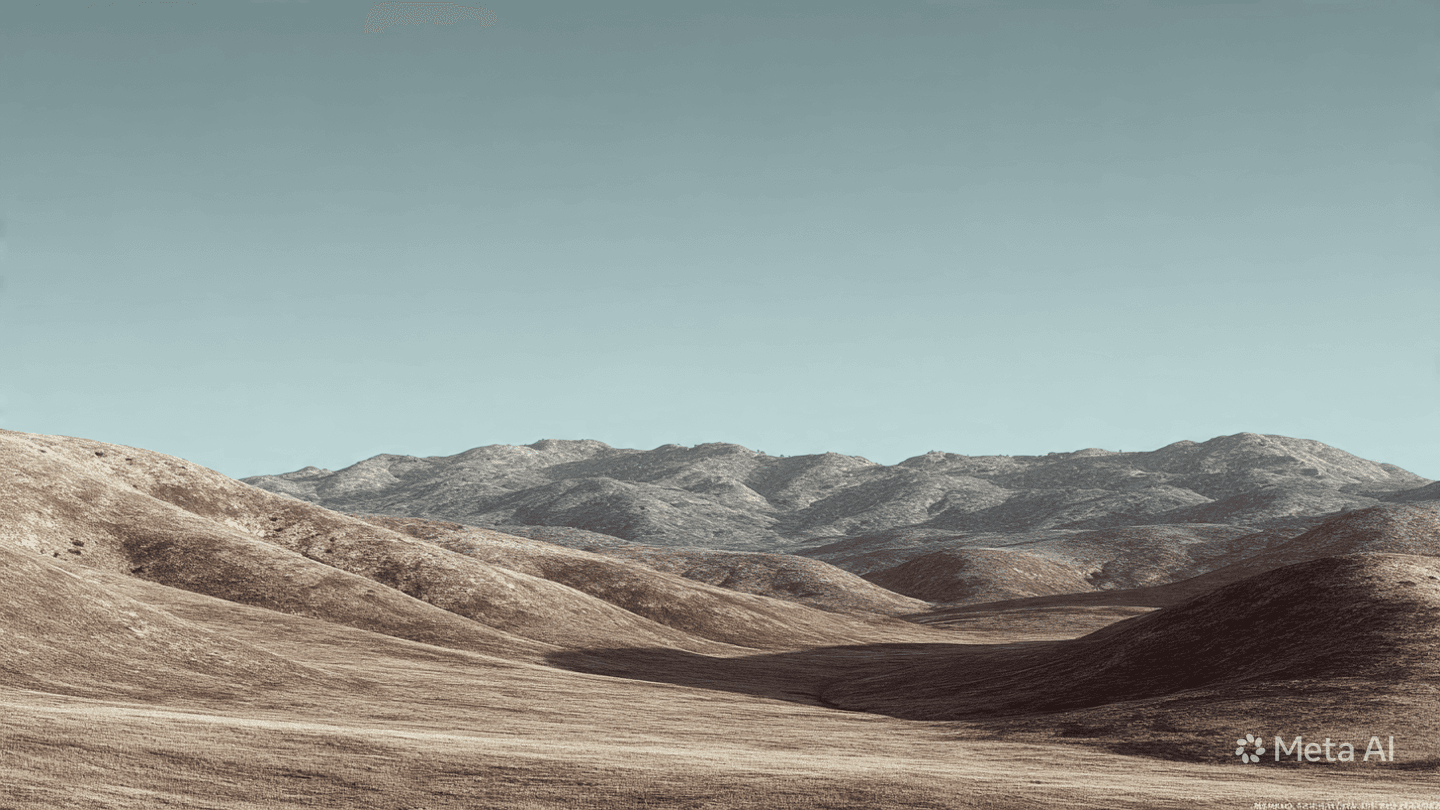
The landscape of Jalisco is vast, a tapestry of rugged canyons and hidden plateaus that seem to cradle the secrets of the past. To travel through these remote regions is to witness a land defined by its depth—both in topography and in the weight of the stories buried beneath its surface. There is a quietude here that feels deliberate, a stillness that has settled over the earth, masking the remnants of lives that were once vibrant, moving, and tethered to the pulse of the world above.
In the shadows of Teuchitlán, the soil has become a silent witness to a history that defies easy articulation. When the search collectives—those tireless, grief-stricken architects of memory—began to peel back the layers of this rural terrain, they found more than just bone and ash. They uncovered a history of systemic erasure. The site, once a place of mundane agricultural life, transformed into a repository of the missing, a testament to the dark intersections of power, impunity, and the persistence of those who refuse to let the earth hold its silence.
The discovery of human remains in such a remote expanse is rarely a singular event; it is a cumulative realization of a crisis that has spanned decades. Each fragment unearthed is a word in a sentence that the state has struggled, or perhaps declined, to complete. The shoes, the personal artifacts, the small, incinerated traces—these are not merely objects; they are the anchors of identity for the thousands who have been stripped of their presence in the public consciousness. The land does not speak, but the people who stand upon it now act as its voice.
There is a dissonance between the vibrant, sun-drenched beauty of Jalisco’s interior and the morbid reality hidden within its clandestine pits. The official discourse often moves with the sluggishness of bureaucracy, attempting to contain the narrative within the bounds of forensic investigation. Yet, for the families, the reality is immediate and visceral. They navigate the landscape not as tourists or observers, but as pilgrims, following the faint scent of history to places where the authorities once walked with blind eyes.
The complexity of the search is compounded by the misinformation that frequently drifts through the region like smoke, obscuring the truth and fraying the nerves of the desperate. When reports of an alleged extermination site emerge, they bring with them a storm of speculation that threatens to derail the methodical, agonizing work of identification. The pressure to provide answers—or perhaps to suppress the weight of the questions—creates a tension that sits heavy over the local communities, where every ranch and dirt road holds the potential for another painful uncovering.
As the Federal Prosecutor’s Office delves into the sites linked to disappearance, the scale of the phenomenon becomes increasingly impossible to ignore. This is not just a regional anomaly but a profound systemic rupture. The ongoing investigations into these remote sites represent a turning point where the history of the "disappeared" is being physically exhumed from the soil itself. It is a slow, methodical reclamation of truth in a land that has been forced to absorb the costs of a long-standing national violence.
The involvement of various cartels, rumored to be the architects of these hidden sites, adds a layer of terror that local residents have learned to navigate with guarded silence. The "disappearance" is a weapon of profound psychological reach, designed to leave the families in a state of suspended animation, never quite knowing whether the earth will yield an answer or continue its permanent concealment. Yet, the persistence of the search collectives is a defiance of that very design, a refusal to accept the permanence of the void.
Ultimately, the earth of Jalisco is becoming a map of the missing. Each excavation, each identification, is a tentative step toward acknowledging the breadth of the loss. The process is grueling, defined by the slow erosion of secrets that were meant to be eternal. In the quiet of the rural hills, as the investigations proceed, the land continues its slow, indifferent cycle, bearing witness to the efforts of those who seek, in the end, nothing more than to return their loved ones from the darkness.
Federal authorities in Mexico are conducting ongoing investigations into clandestine sites discovered in the remote Jalisco region, specifically near Teuchitlán. These sites, often linked to organized crime activities and the country’s broader disappearance crisis, contain human remains and personal belongings. Search collectives and the Federal Prosecutor’s Office are working to identify the remains, amid continuing challenges regarding transparency and the identification of victims.
Published by Banx Network. This article is part of the Banx decentralized media programme, powered by the BXE token on the XRP Ledger.