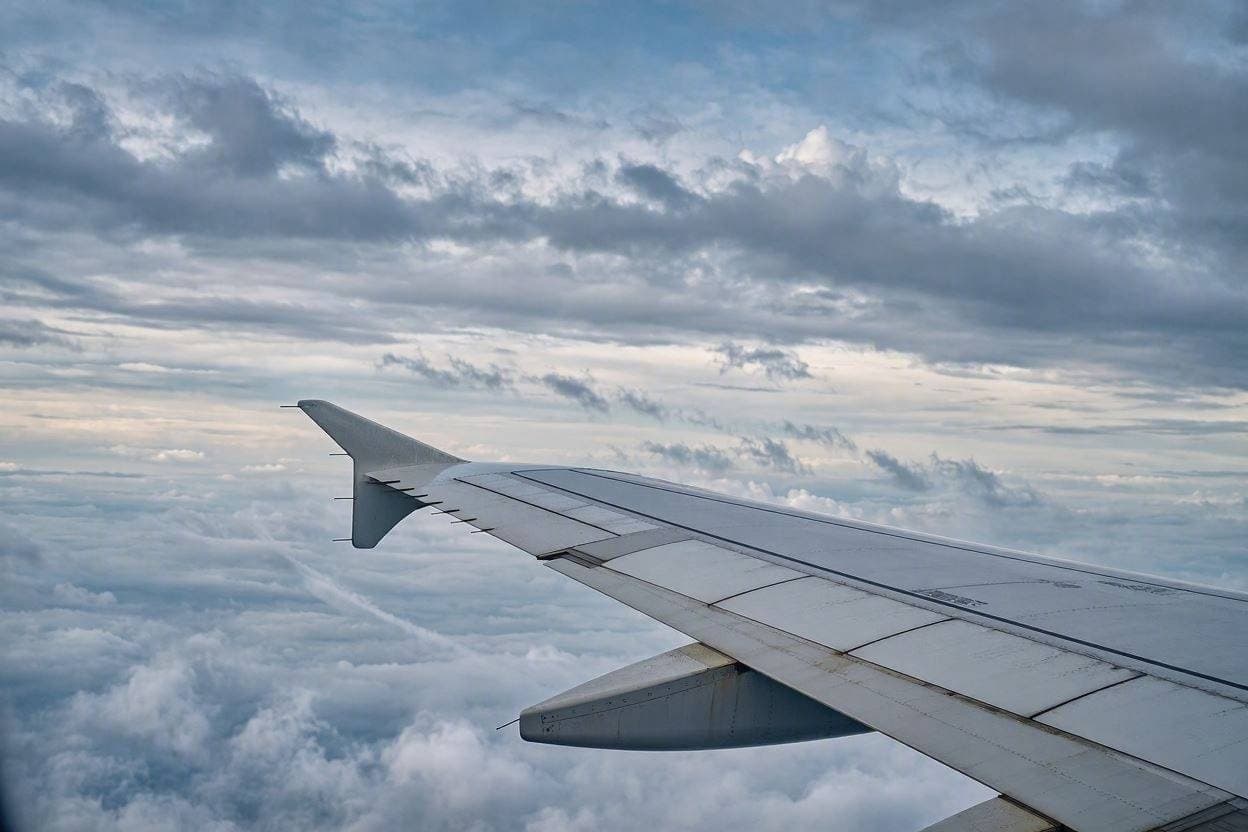
At thirty thousand feet, the sky is often a place of serene stillness, a vast blue canvas that invites contemplation. Yet, this tranquility can be shattered in an instant by the invisible hand of atmospheric turbulence. For passengers and crew on a recent Air India flight, what began as a routine journey transformed into a harrowing experience when severe clear-air turbulence struck without warning. The incident, which lasted only five minutes, has left a lasting impact, particularly on the cabin crew who suffered significant injuries, including spinal trauma. It is a stark reminder of the unpredictable forces that govern even our most modern modes of travel.
The Minister for Civil Aviation provided details regarding the severity of the event, noting that the sudden drop and violent shaking caught many off guard. While passengers were advised to keep their seatbelts fastened, the intensity of the turbulence was such that it caused immediate physical harm. The crew, who are trained to remain calm and assist others during emergencies, bore the brunt of the impact. Several members sustained spinal injuries, a testament to the sheer force exerted by the shifting air currents.
Clear-air turbulence is particularly dangerous because it occurs in cloudless skies, making it difficult for pilots to detect using standard radar. It is often associated with jet streams and wind shear, phenomena that can change rapidly. In this case, the aircraft encountered a pocket of extreme instability that resulted in a rapid altitude change. The brevity of the event—just five minutes—does not diminish its severity; rather, it highlights how quickly safety can be compromised.
The injuries sustained by the crew have raised questions about workplace safety and support systems for aviation staff. Cabin crew members are essential to passenger safety, yet they are often exposed to higher risks during such events. The minister’s acknowledgment of their spinal injuries underscores the need for robust medical care and compensation protocols. It also prompts a broader discussion on how airlines can better protect their employees from the inherent risks of their profession.
For the passengers, the experience was one of shock and fear. Many described the sensation of weightlessness followed by a heavy impact, a disorienting sequence that leaves a psychological mark. While no fatalities were reported in this specific incident, the trauma of such an event can linger long after the plane has landed safely. It serves as a humbling reminder of human vulnerability in the face of natural forces.
Aviation authorities are reviewing the incident to understand if additional measures could have mitigated the impact. This includes evaluating current turbulence prediction models and considering stricter enforcement of seatbelt signs. While technology continues to advance, the atmosphere remains a complex and sometimes hostile environment. The goal is to learn from each incident to enhance safety for future flights.
The Air India turbulence incident is a sobering chapter in aviation history. It highlights the resilience of the crew and the importance of vigilance in the skies. As investigations continue, the focus remains on improving detection methods and ensuring that those who serve us at high altitudes are protected from the unseen dangers above.
AI Image Disclaimer: The visual elements accompanying this report are AI-generated interpretations designed to reflect the atmospheric and aviation context of the story.
Sources: The Hindu NDTV Ministry of Civil Aviation (India)
Published by Banx Network. This article is part of the Banx decentralized media programme, powered by the BXE token on the XRP Ledger.