
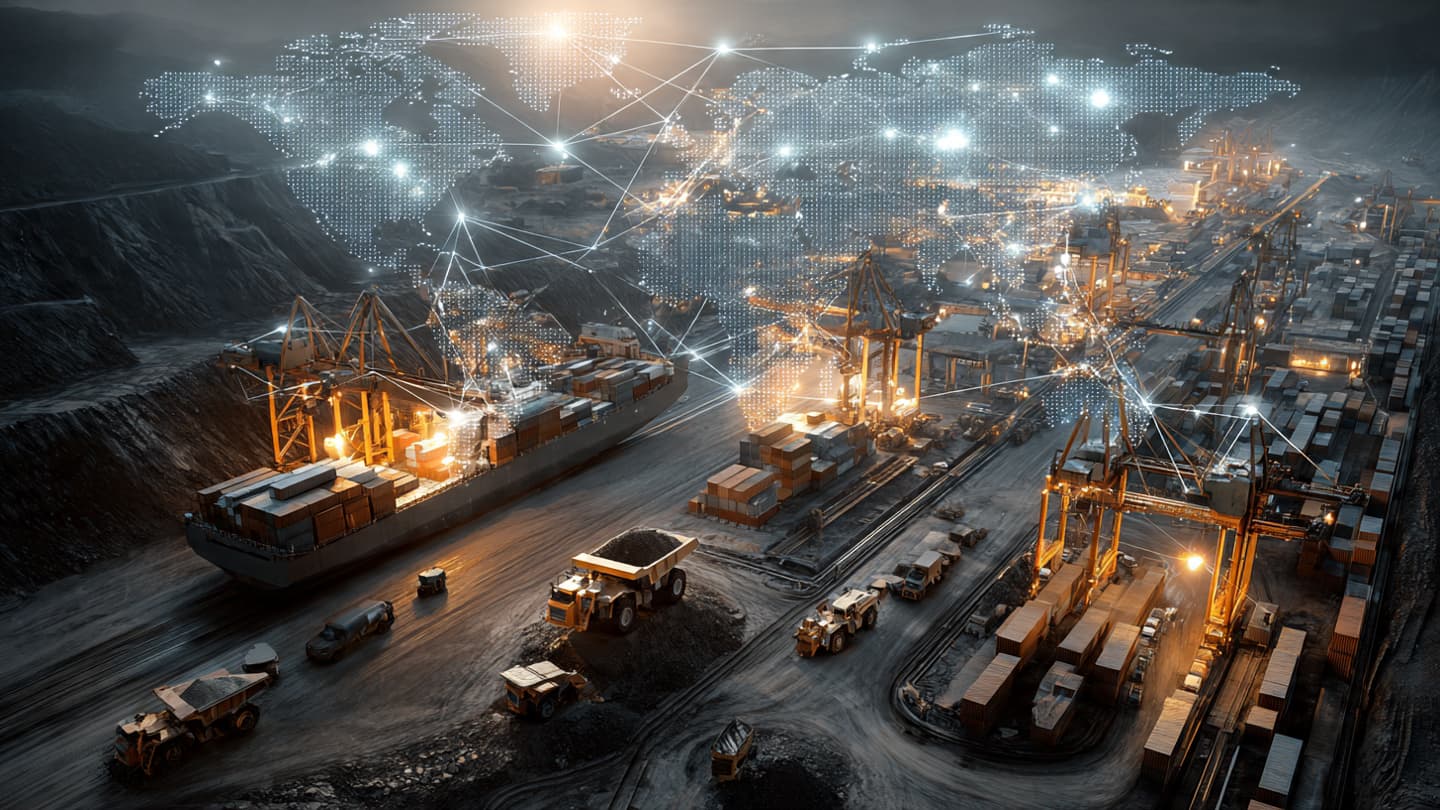
The modern world often appears weightless. Messages travel instantly across continents, artificial intelligence processes information in seconds, and digital platforms connect billions of people through invisible networks. Yet beneath this seemingly virtual reality lies a physical foundation built from materials extracted deep within the earth. The batteries powering electric vehicles, the semiconductors inside computers, and the technologies shaping the future all depend on resources that remain finite, strategic, and increasingly contested.
As preparations continue for the G7 Summit, France has drawn attention to the growing importance of critical minerals and the vulnerabilities associated with global supply chains. The issue may appear technical at first glance, but its implications extend far beyond mines and manufacturing facilities. At stake is the ability of nations to sustain economic growth, technological innovation, and industrial competitiveness in an increasingly interconnected world.
Critical minerals such as lithium, cobalt, nickel, and rare earth elements have become essential components of modern industries. They are used in electric vehicles, renewable energy systems, advanced electronics, telecommunications infrastructure, and defense technologies. As demand for these products rises, competition for access to the necessary resources has intensified.
For many years, global supply chains evolved primarily around efficiency. Companies sought the lowest costs, the fastest production capabilities, and the most reliable transportation routes. This approach delivered significant economic benefits, helping lower prices and accelerate industrial development. However, recent disruptions have exposed the risks associated with excessive dependence on limited sources of supply.
Events ranging from pandemics to geopolitical tensions have demonstrated how quickly international trade networks can experience strain. Delays in one region can affect factories in another, while shortages of key materials can disrupt entire industries. These experiences have prompted governments and businesses to rethink how resilience should be incorporated into economic planning.
France argues that diversification has become an important objective. Rather than relying heavily on a small number of suppliers, countries are increasingly exploring partnerships with multiple producers and investing in alternative supply routes. The goal is not necessarily to replace globalization but to strengthen its foundations against future disruptions.
The discussion also carries environmental and social dimensions. Mining operations often raise questions about sustainability, community impact, and responsible resource management. As demand for critical minerals grows, policymakers face the challenge of balancing economic needs with environmental stewardship and ethical sourcing practices.
Business leaders are following the debate closely. Industries ranging from automotive manufacturing to consumer electronics depend on predictable access to raw materials. Uncertainty surrounding supply chains can influence investment decisions, production planning, and long-term competitiveness.
Technology companies, in particular, have become increasingly aware of the strategic importance of resource security. The devices and systems driving digital transformation require components that cannot be manufactured without reliable access to specific materials. As innovation accelerates, the significance of these resources is expected to grow rather than diminish.
As G7 leaders prepare to discuss the issue, the conversation serves as a reminder that the future is built not only through ideas and innovation but also through the materials that make those innovations possible. Beneath every technological breakthrough lies a network of resources, industries, and partnerships that quietly support the modern world.
AI IMAGE DISCLAIMER Graphics are AI-generated and intended for representation, not reality.
SOURCES Reuters, Bloomberg, Financial Times, AFP, France 24
Note: This article was published on BanxChange.com and is powered by the BXE Token on the XRP Ledger. For the latest articles and news, please visit BanxChange.com