Opening: Island destinations are often portrayed as paradises, places where time slows down and worries fade away. But beneath the sun-drenched surface of mass tourism lies a darker reality for many visitors. As millions flock to popular vacation spots, opportunistic criminals exploit the distraction and vulnerability of travelers. Pickpocketing has become a brazen and persistent issue, turning what should be a carefree experience into a lesson in vigilance. This trend invites reflection on the social costs of overtourism and the responsibility of both hosts and guests to ensure safety.
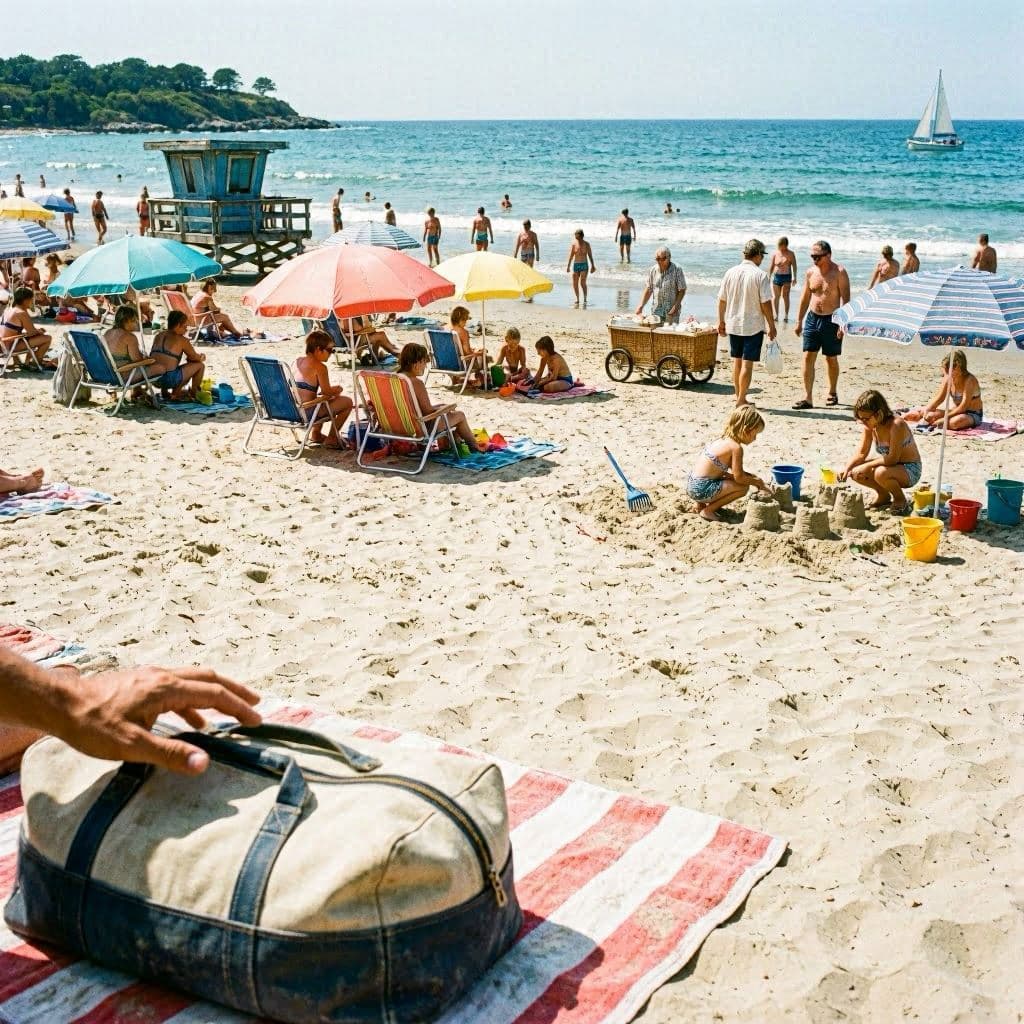
Body: The sheer volume of tourists creates an ideal environment for petty crime. Crowded beaches, bustling markets, and packed public transport offer cover for thieves who operate with increasing sophistication. They target distracted individuals, often working in teams to create diversions while one member lifts wallets, phones, or passports. For the victim, the loss is not just financial but emotional, casting a shadow over their entire trip and leaving a sense of violation.
Local authorities face significant challenges in combating this issue. Policing large, transient populations requires resources that many island communities struggle to muster. Additionally, the seasonal nature of tourism means that crime spikes during peak months, overwhelming standard law enforcement capacities. Efforts to increase patrols and install surveillance cameras are ongoing, but the adaptability of criminal networks often keeps them one step ahead.
The impact on the local economy is twofold. While tourism brings revenue, high crime rates can damage a destination’s reputation, leading to a decline in visitor numbers. Negative reviews and word-of-mouth warnings spread quickly in the digital age, affecting businesses that rely on tourist spending. Therefore, addressing pickpocketing is not just a matter of public safety but also economic sustainability for the island.
Tourists themselves play a role in their own security. Awareness campaigns encourage visitors to keep valuables secure, avoid displaying wealth, and stay alert in crowded areas. Simple precautions, such as using anti-theft bags and keeping copies of important documents, can significantly reduce the risk of becoming a target. Education is a powerful tool, empowering travelers to enjoy their vacation with greater peace of mind.
Community involvement is also crucial. Local residents and business owners often serve as the first line of defense, looking out for suspicious behavior and assisting victims. Building a culture of hospitality that includes safety fosters a more welcoming environment. When locals feel empowered to protect their community, the overall sense of security improves for everyone.
Technological solutions are being explored, such as apps that alert users to high-risk areas or connect them with local assistance. However, technology cannot replace human vigilance and community cohesion. The most effective strategies combine technological aids with strong social networks and proactive policing. It is a holistic approach that addresses the root causes of vulnerability.
The phenomenon of brazen pickpocketing in tourist hubs is a global issue, not limited to one island. It reflects broader social inequalities and the pressures of mass migration and economic disparity. Addressing it requires not just law enforcement but also social programs that provide alternatives to crime. Until then, vigilance remains the best defense for those seeking paradise.
Closing: Pickpocketing remains a significant problem in popular island tourist destinations, exploiting the vulnerability of millions of visitors. Authorities and communities are working to enhance safety through increased policing and public awareness. Tourists are urged to remain vigilant to protect their belongings and enjoy their travels safely.
AI Image Disclaimer: Please be aware that the visual aids in this piece are AI-generated interpretations designed to support the narrative of tourist safety and urban crowding.
Sources: Travel Weekly Local Island News Outlets BBC Travel The Guardian
Published by Banx Network. This article is part of the Banx decentralized media programme, powered by the BXE token on the XRP Ledger.
.jpg&w=3840&q=75 "US Declares Drought Disaster for Parts of Puerto Rico as Dry Conditions Persist")