
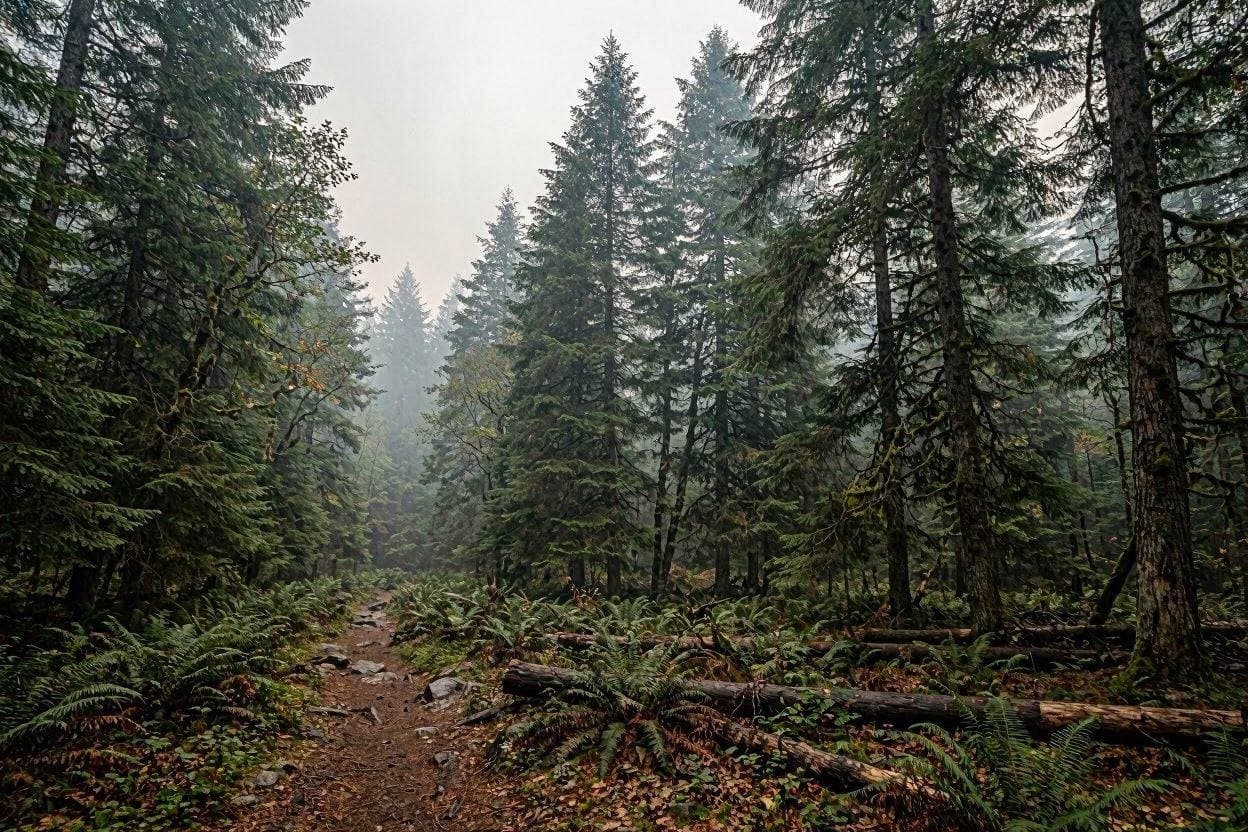
The vast forests of Western Canada, usually a sanctuary of cool air and towering evergreens, are once again facing the creeping threat of wildfire. As summer heat intensifies and drought conditions persist, the landscape that defines much of British Columbia and Alberta is bracing for another season of uncertainty, reminding residents of the delicate balance between nature’s beauty and its potential for destruction.
Recent reports indicate that fire danger levels have risen significantly across the region, driven by lower-than-average snowpack and persistent dryness in the soil. While the season began relatively quietly compared to the catastrophic years prior, meteorological patterns suggest that the risk is accumulating rapidly. The combination of high temperatures and low humidity creates an environment where even a small spark can ignite a blaze that spreads with alarming speed.
Local firefighting agencies are on high alert, mobilizing resources and personnel in anticipation of increased activity. The memory of recent seasons, which saw thousands of hectares burned and communities evacuated, remains fresh in the minds of many. This awareness has led to stricter enforcement of fire bans and greater public vigilance, as everyone plays a role in preventing accidental ignitions.
The impact of these fires extends beyond the immediate burn zones. Smoke from wildfires can travel hundreds of kilometers, affecting air quality in major cities and posing health risks to vulnerable populations. For those with respiratory conditions, the hazy skies serve as a tangible reminder of the environmental challenges facing the region. Health officials advise limiting outdoor activities during peak smoke periods to protect lung health.
Ecologically, fire is a natural part of the forest lifecycle, helping to clear underbrush and regenerate certain plant species. However, the frequency and intensity of modern wildfires, exacerbated by climate change, often outpace the ecosystem’s ability to recover. This shift threatens biodiversity and alters the habitat for wildlife that depends on mature forests for survival.
Indigenous communities, who have lived in harmony with these lands for millennia, are particularly affected. Many rely on the forest for traditional practices, hunting, and cultural continuity. The threat of fire disrupts these connections, forcing difficult decisions about whether to stay or evacuate. Their traditional knowledge of land management is increasingly recognized as a vital tool in modern fire prevention strategies.
Government officials are emphasizing the importance of preparedness and community resilience. Investments in early detection systems, such as satellite monitoring and aerial surveillance, are helping to identify hotspots before they grow out of control. Additionally, efforts to create firebreaks and manage fuel loads in high-risk areas are part of a long-term strategy to mitigate damage.
As the summer progresses, the focus remains on safety and adaptation. The people of Western Canada continue to demonstrate remarkable resilience in the face of recurring natural threats, supporting one another through shared challenges and a deep respect for the land they call home.
AI Image Disclaimer: The visual content accompanying this article is AI-generated for illustrative purposes and does not depict actual footage of current wildfire events.
Sources: CBC News The Weather Network Natural Resources Canada Global News
Note: This article was published on BanxChange.com and is powered by the BXE Token on the XRP Ledger. For the latest articles and news, please visit BanxChange.com