
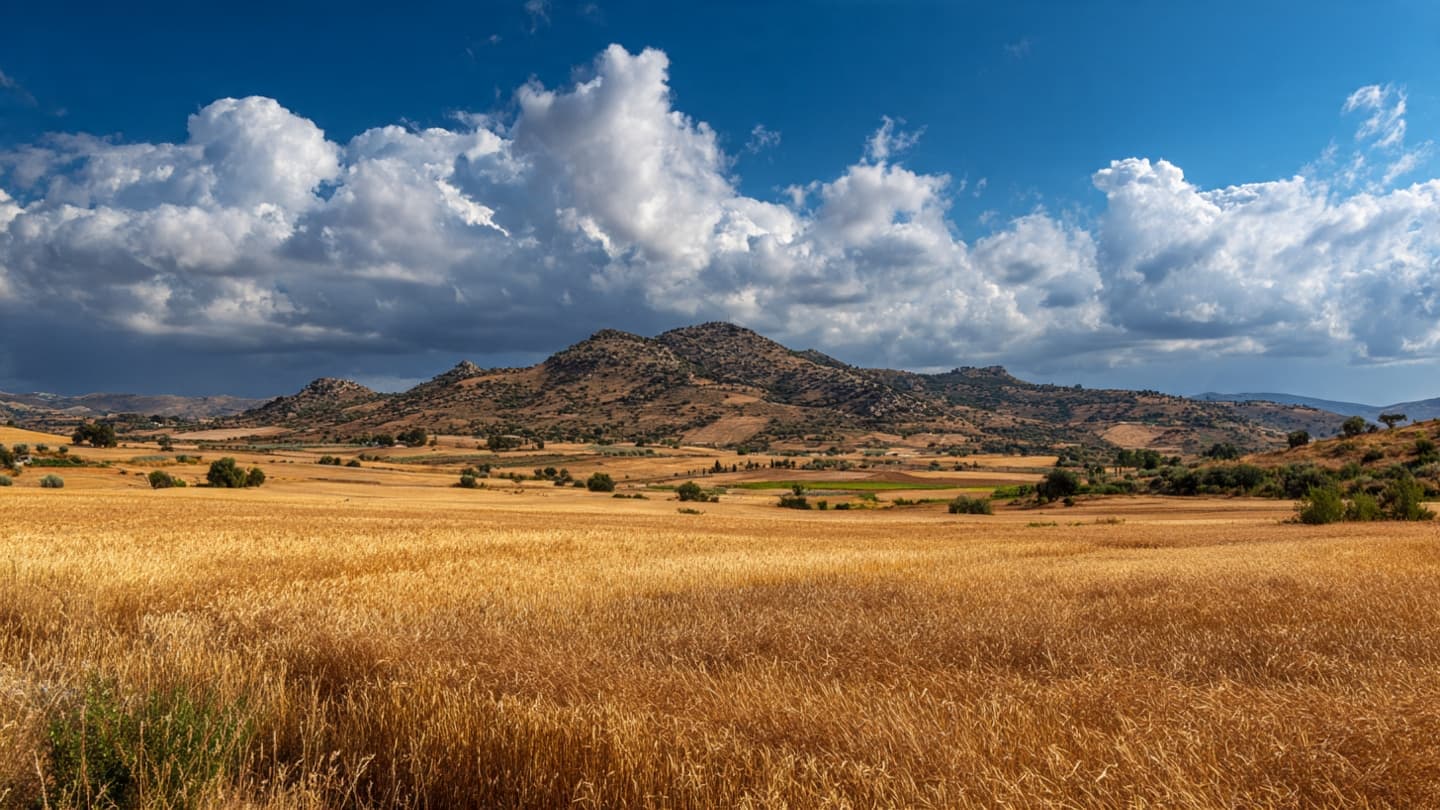
Every harvest begins with a quiet act of trust. Farmers place seeds into soil believing that seasons will unfold with a degree of predictability. Yet across parts of Southern Europe, that confidence is increasingly being tested by environmental conditions that appear less familiar than those of previous decades.
Rising temperatures are contributing to growing concerns about food security throughout the region. Researchers and agricultural experts are examining how prolonged heat, changing rainfall patterns, and recurring drought conditions may affect crop production in the years ahead.
Agriculture depends heavily on environmental stability. While farmers have always adapted to changing weather, recent trends suggest that some climate-related challenges are becoming more persistent. Extended periods of extreme heat can reduce crop yields and place additional pressure on water resources.
Water availability remains one of the most significant concerns. Reservoirs, rivers, and groundwater supplies support agricultural production across Southern Europe. During prolonged dry periods, competition for water may increase among households, industries, and farming communities.
Certain crops are particularly sensitive to temperature fluctuations during critical growing stages. Excessive heat can affect pollination, reduce productivity, and alter harvest quality. Researchers continue studying which crops may prove most resilient under future climate conditions.
Farmers are responding in various ways. Some are experimenting with drought-resistant crop varieties, while others are adjusting planting schedules or investing in more efficient irrigation technologies. Innovation is becoming an increasingly important part of agricultural planning.
Scientists note that food security extends beyond agricultural output alone. Supply chains, transportation systems, storage infrastructure, and market conditions all contribute to how food reaches consumers. Environmental disruptions in one area can influence broader regional systems.
Governments and international organizations have also increased attention on agricultural adaptation. Programs supporting sustainable farming practices, water conservation, and climate research aim to help communities prepare for future challenges while maintaining productivity.
Experts emphasize that the goal is not merely to respond to individual droughts or heatwaves. Rather, it is to develop systems capable of operating effectively under changing environmental conditions. Long-term resilience has become a central focus of agricultural policy discussions.
For Southern Europe, the conversation about food security reflects a broader reality facing many regions worldwide. As climate patterns evolve, ensuring stable food supplies may require a combination of scientific innovation, resource management, and continued cooperation among governments, researchers, and farming communities.
AI Image Disclaimer Graphics are AI-generated and intended for representation, not reality.
Source Check Credible sources identified:
Reuters AFP Food and Agriculture Organization (FAO) The Guardian Euractiv
Note: This article was published on BanxChange.com and is powered by the BXE Token on the XRP Ledger. For the latest articles and news, please visit BanxChange.com