
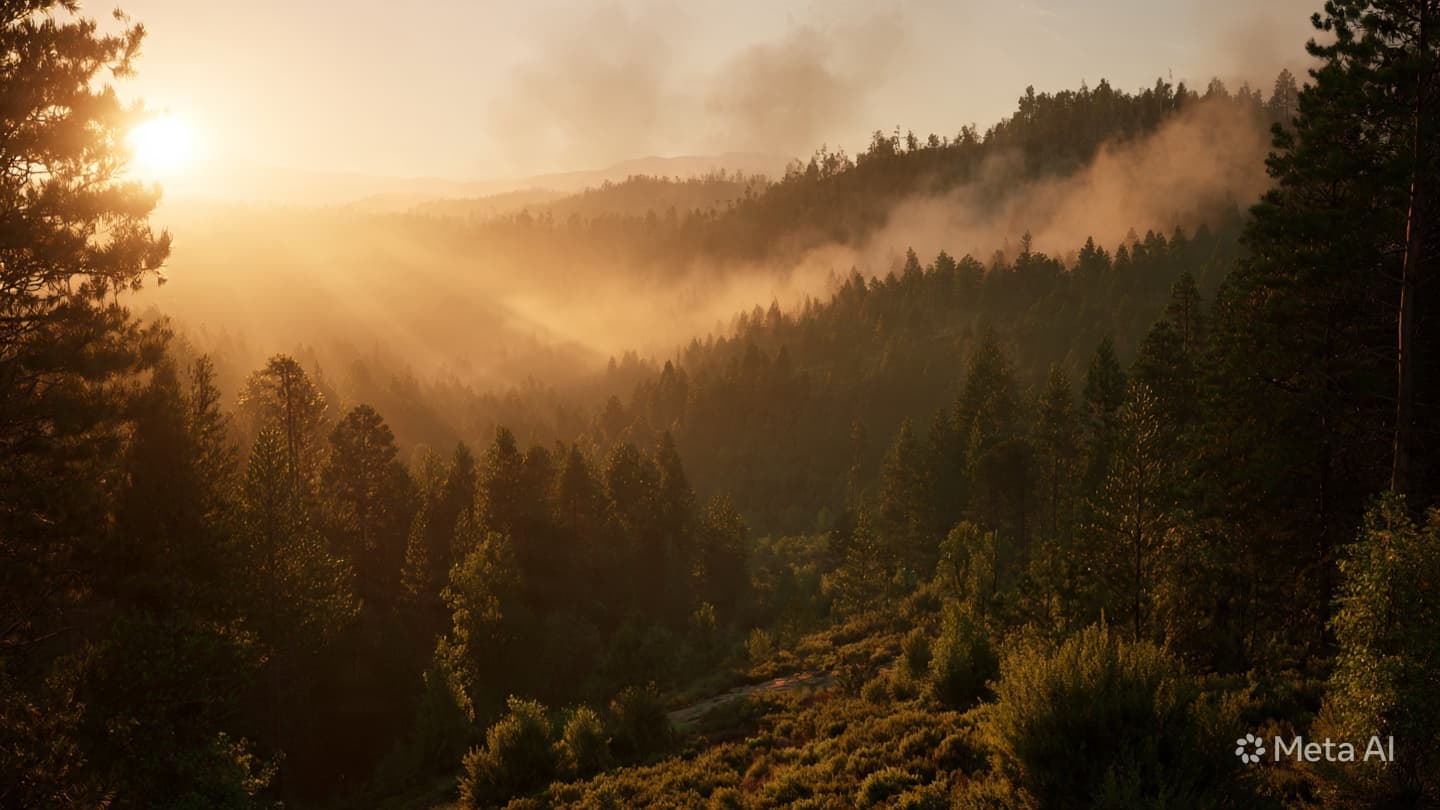
The landscapes of Biobío are defined by their immense, verdant majesty—a region of rolling hills, deep forests, and a stubborn, enduring connection to the land. When the fire season takes hold, the region transforms, the air growing thick with the scent of pine, smoke, and the heat of an elemental, runaway energy. It is a world where the forest, once a source of life and beauty, becomes a vast, burning breath that threatens to undo everything in its path. In this environment, the volunteer firefighter is not just a worker; they are a guardian, a necessary, human counterweight to the unbridled power of the flame.
Containment of a forest fire is a process of extreme, grueling endurance, a task that requires a deep, intimate understanding of the terrain. The volunteers who fight these blazes do so with a profound, quiet commitment, their lives intertwined with the preservation of the landscape they call home. When one of their own is injured, the impact is felt far beyond the fire line; it is a manifestation of the inherent, dangerous reality of their service. Their commitment is a testament to the community’s resilience, a way of holding the line against the encroaching chaos of the fire.
The firefighting effort is a dance of strategy and stamina, a constant, shifting battle of water, earth, and wind. The responders must anticipate the movement of the fire, cutting firebreaks and managing the embers, all while working within the physically and mentally draining conditions of the blaze. It is a work of immense, quiet dignity, performed under the watchful, indifferent gaze of the surrounding Biobío landscape, which seems to wait for the fire to pass so it can begin the long, slow process of regrowth.
Investigations into the causes of these fires often lead to the complex interplay of environmental factors, human error, and the persistent, evolving challenge of forest management. But in the moment of the fight, the cause is secondary to the necessity of containment. The goal, always, is to stop the spread, to protect the homes and the ecosystems that lie in the path of the inferno. It is a process of reconciliation, turning a catastrophic event into a series of actionable, necessary steps that ensure the region can continue to live, breathe, and grow.
As the fire is brought under control, the community reflects on the incident with a mixture of relief and a resigned, persistent understanding of the regional reality. The landscape, once scorched and blackened, will eventually heal, the vegetation re-establishing its hold on the burned soil, and the cycle of growth and season continues, a fundamental, rhythmic expression of the Earth’s life. The injury of the volunteer firefighter serves as a sharp, painful instruction on the necessity of caution and the profound limits of human intervention when the elements are in motion.
Ultimately, the event in Biobío is a meditation on our relationship with the forests that surround us. We rely on the land for our livelihood, our beauty, and our identity, yet we remain fundamentally human in our vulnerability to its more destructive pulses. The firefighting effort is a quiet, powerful testament to the necessity of vigilance and the profound cost of protecting what we value. It leaves behind a community that is slightly more aware of the invisible, volatile energies at play, and a memory that underscores the high price of our environmental stewardship.
As the days turn into weeks, the immediate alarm of the forest fire will fade, replaced by the persistent, routine work of forest management and fire prevention. The memory of the incident, however, will linger in the collective consciousness of the regional community, a benchmark against which all future safety protocols will be measured. It is the nature of such places to endure, to adapt, and to carry forward, despite the scars left by these rare but impactful failures. The work of stewardship continues, albeit with a heavier, more cautious cadence.
The volunteer firefighter, recovering from their injury, stands as a symbol of the community’s strength—a quiet, enduring commitment to the land and to one another. Their recovery is a small, quiet victory in the face of the fire’s scale, a testament to the resilience of those who call these woods their home. As the horizon clears and the green begins to return, the memory of the fire reminds us of the delicate balance we must maintain, the profound responsibility we have to the earth, and the quiet, steady grace of those who stand in the fire’s path.
Note: This article was published on BanxChange.com and is powered by the BXE Token on the XRP Ledger. For the latest articles and news, please visit BanxChange.com